
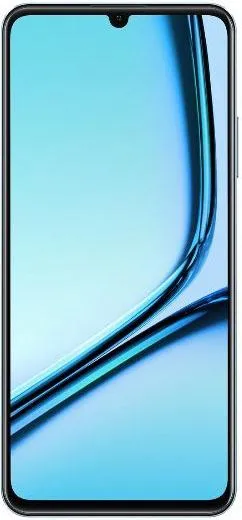
1. Specifications Comparison
| Feature | Motorola Razr 40 | Realme Note 50 | Practical Impact |
|---|---|---|---|
| Design | |||
| Dimensions (mm) | 170.8 x 74 x 7.4 | 167.2 x 76.7 x 8 | Razr 40 significantly more compact when folded, but thicker when unfolded. Note 50 easier to hold when open due to wider body. |
| Weight (g) | 188.6 | 186 | Negligible weight difference; both phones are relatively light. |
| Foldable | Yes | No | Razr 40 offers portability advantage when folded; Note 50 is a traditional slab design. |
| Display | |||
| Size (inches) | 6.9 | 6.74 | Similar screen real estate when unfolded, but Razr 40's foldable nature offers a smaller external display for quick checks. |
| Resolution | 1080 x 2640 | 720 x 1600 | Razr 40 boasts much sharper visuals (413 ppi vs 260 ppi), resulting in crisper text and images. Note 50's display will appear noticeably pixelated. |
| Type | Foldable LTPO AMOLED | IPS LCD | Razr 40's AMOLED provides deeper blacks, vibrant colors, and better power efficiency. Its 144Hz refresh rate contributes to smoother animations compared to Note 50's 90Hz LCD. |
| Performance | |||
| Chipset | Snapdragon 7 Gen 1 (4nm) | Unisoc Tiger T612 (12nm) | Razr 40 offers significantly faster processing speeds and better overall performance due to a more powerful and efficient chipset. |
| CPU | Octa-core (up to 2.4 GHz) | Octa-core (up to 1.8 GHz) | Razr 40's superior CPU architecture and clock speeds will translate to smoother multitasking, faster app loading, and improved gaming performance. |
| RAM | 8GB | 4GB (as reviewed) | Razr 40 provides more memory for seamless multitasking and keeping apps open in the background without performance slowdowns. |
| Camera | |||
| Main Camera | 64MP | 13MP | Razr 40 likely to capture more detailed photos with better low-light performance, though real-world image quality depends on factors beyond resolution. Note 50 has a secondary 2MP B&W sensor, whose practical benefit is questionable. |
| Video Recording | 4K@30fps with EIS | 1080p@30fps | Razr 40 supports higher resolution video recording with Electronic Image Stabilization. |
| Battery | |||
| Capacity | 4200 mAh | 5000 mAh | Note 50 has larger battery capacity, potentially offering longer battery life. However, Razr 40's more efficient processor and AMOLED display might offset this difference. Foldable phones generally have less impressive battery life. |
2. Key Differences Analysis
Motorola Razr 40 Advantages:
- Premium Foldable Design: Offers portability and a unique form factor.
- Superior Display: Sharper, more vibrant, and smoother with a 144Hz refresh rate.
- Significantly Better Performance: Faster processor, more RAM, smoother user experience.
- Higher Resolution Camera: Potentially better image and video quality.
Realme Note 50 Advantages:
- Lower Price: More budget-friendly option.
- Larger Battery Capacity: Potentially longer battery life, though real-world usage will vary.
- Simpler, Traditional Design: May appeal to users who prefer a standard slab phone.
3. User Profiles & Recommendations
Motorola Razr 40: Ideal for users who value portability, a unique design, a premium display, and smooth performance. Suitable for users who prioritize on-the-go productivity and entertainment, and are willing to pay a premium for a foldable device.
Realme Note 50: Best suited for budget-conscious users who prioritize basic smartphone functionality, potentially longer battery life, and a simple, familiar design. Suitable for less demanding tasks like calling, texting, browsing, and social media.
4. Decision Framework
Key Questions for Buyers:
- Budget: How much are you willing to spend?
- Form Factor: Do you prioritize portability and a unique design (foldable) or a traditional slab phone?
- Performance Needs: Do you require a high-performance device for demanding tasks or a basic phone for everyday use?
Scenario-Based Recommendations:
- Limited Budget, Basic Needs: Realme Note 50
- Value Performance and Portability Above All Else: Motorola Razr 40
- Prioritize Latest Technology and Premium Experience: Motorola Razr 40
My Choice: Motorola Razr 40
While the Realme Note 50 offers a larger battery and lower price, the Motorola Razr 40's advantages in performance, display quality, and innovative foldable design are far more compelling to me. The Snapdragon 7 Gen 1 provides a significantly better user experience, and the higher resolution AMOLED display is a major upgrade. I appreciate the compact nature of foldable phones and am willing to compromise slightly on battery life for the convenience and premium feel. The price difference is significant, but the Razr 40 offers a substantial leap in overall quality and features that justifies the premium for my needs. I would prioritize a smoother, more enjoyable daily usage experience over a slightly longer battery life or marginal cost savings.
