1. Specifications Comparison
| Feature | Motorola Razr 40 | Realme C61 | Practical Impact |
|---|---|---|---|
| Design | |||
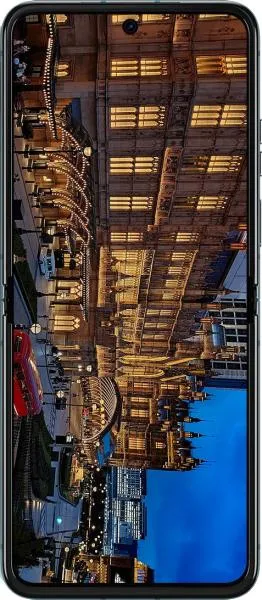
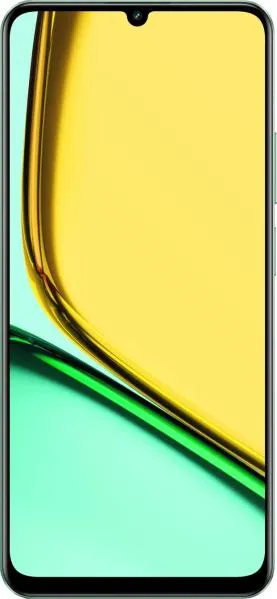
| Dimensions (mm) | 170.8 x 74 x 7.4 (folded) | 167.3 x 76.7 x 7.8 | Razr 40 significantly more compact when folded, easier for pocket carry; Realme C61 is a traditional slab design. |
| Weight (g) | 188.6 | 188 | Negligible weight difference in practical usage. |
| Foldable | Yes | No | Razr 40 offers a larger screen in a smaller form factor due to folding capability, potentially sacrificing durability. |
| Display | |||
| Display Type | Foldable LTPO AMOLED | IPS LCD | Razr 40 boasts superior contrast, deeper blacks, and potential for power savings with LTPO; Realme C61's LCD is less vibrant. |
| Size (inches) | 6.9 | 6.74 | Similar screen sizes offer comparable media consumption experiences. |
| Resolution | 1080 x 2640 | 720 x 1600 | Razr 40 provides much sharper visuals (413 ppi vs 260 ppi), noticeable in text clarity and image detail. |
| Refresh Rate (Hz) | 144 | 90 | Razr 40 offers smoother animations and scrolling; Realme C61's 90Hz is still above average but less fluid. |
| Performance | |||
| Chipset | Snapdragon 7 Gen 1 (4nm) | Unisoc Tiger T612 (12nm) | Razr 40 offers significantly better performance and efficiency in demanding tasks and gaming due to a more powerful and modern chipset. |
| CPU | Octa-core (2.4 GHz) | Octa-core (1.8 GHz) | Razr 40's CPU has higher clock speeds, translating to faster app loading and multitasking. |
| RAM (GB) | 8 | 6 | Razr 40 can handle more background processes smoothly. |
| Camera | |||
| Main Camera (MP) | 64 | 32 | Razr 40 likely captures more detailed photos in various lighting conditions. |
| Video Recording | 4K@30fps with EIS | 1080p@30fps | Razr 40 offers higher resolution video recording and electronic image stabilization for smoother footage. |
| Battery | |||
| Capacity (mAh) | 4200 | 5000 | Realme C61 has a larger battery capacity, likely resulting in longer battery life; Razr 40's foldable design might consume more power. |
2. Key Differences Analysis
Motorola Razr 40 Advantages:
- Premium Foldable Design: Offers a compact pocketable design with a large screen.
- Superior Display: Higher resolution, refresh rate, and AMOLED technology provide a significantly better visual experience.
- Stronger Performance: Snapdragon 7 Gen 1 offers better gaming and multitasking capabilities.
- Better Camera System: Higher resolution main camera and 4K video recording.
Realme C61 Advantages:
- Larger Battery: Potentially longer battery life for less frequent charging.
- Lower Price: Significantly more affordable.
Trade-offs:
- Razr 40: Higher price, potentially lower battery life due to foldable design, durability concerns associated with foldable displays.
- Realme C61: Lower performance, less impressive display, basic camera features.
3. User Profiles & Recommendations
Motorola Razr 40: Ideal for users who prioritize portability, a premium design, and a great multimedia experience. Suitable for those who value having a large screen that can be easily pocketed. Examples include professionals, content creators, and trendsetters.
Realme C61: Best suited for budget-conscious users who prioritize battery life and basic smartphone functionality. Ideal for users who primarily use their phone for calling, texting, social media, and light web browsing. Examples include students, casual users, and those seeking a secondary device.
4. Decision Framework
Key Questions for Buyers:
- Budget: How much are you willing to spend on a smartphone?
- Priorities: What features are most important to you (e.g., portability, performance, battery life, camera quality)?
- Usage: How will you primarily use your phone (e.g., gaming, content creation, social media, communication)?
Scenario-Based Recommendations:
- Limited Budget, Basic Needs: Realme C61
- Value Portability and Premium Features: Motorola Razr 40
My Choice: Motorola Razr 40
While the Realme C61 offers great value for its price, the Motorola Razr 40 aligns better with my personal preferences. I value the innovative foldable design, the superior display quality, and the smooth performance offered by the Snapdragon 7 Gen 1. The compact form factor of the Razr 40 is a significant advantage for portability. I'm willing to compromise on battery life for the unique benefits of a foldable device and the improved user experience provided by the higher-end specifications. The price difference is justifiable for the significant jump in overall quality and features. Furthermore, having a vibrant display and a capable camera for capturing moments are important to me. The Razr 40's modern chipset will also ensure a longer software support lifespan compared to the Realme C61's budget offering.
