1. Specifications Comparison
| Feature | Motorola Razr 40 | Realme C51 | Practical Impact |
|---|---|---|---|
| Design | |||
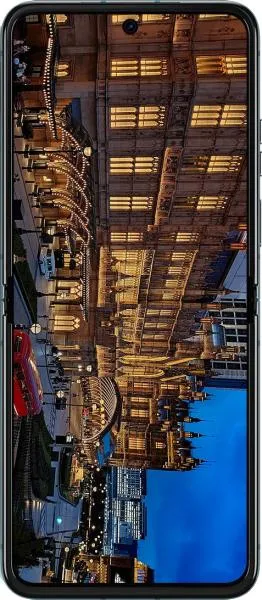
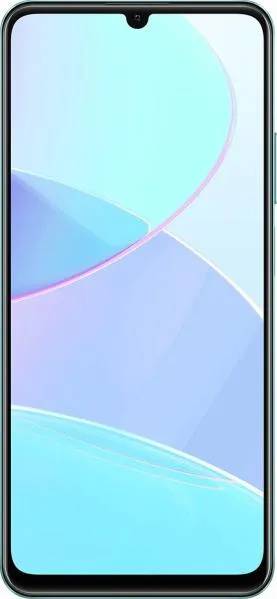
| Dimensions (mm) | 170.8 x 74 x 7.4 (folded) | 167.2 x 76.7 x 8 | Razr 40 significantly more compact when folded, easier to pocket; C51 thinner when unfolded. |
| Weight (g) | 188.6 | 186 | Negligible weight difference. |
| Foldable | Yes | No | Razr 40 offers a compact folded state and a larger inner screen. |
| Display | |||
| Display Type | Foldable LTPO AMOLED | IPS LCD | Razr 40: Superior contrast, deeper blacks, power efficiency; C51: Potentially better visibility in direct sunlight. |
| Size (inches) | 6.9 (main), ~3.6 (cover) | 6.74 | Razr 40 provides a larger main display for immersive content; C51 offers a larger, always-on outer display. |
| Resolution | 1080 x 2640 | 720 x 1600 | Razr 40: Sharper, more detailed image; C51: Lower resolution noticeable in everyday use, less demanding on GPU. |
| Refresh Rate (Hz) | 144 | 90 | Razr 40: Smoother animations and scrolling; C51: Still provides a smooth experience compared to standard 60Hz displays. |
| Performance | |||
| Chipset | Snapdragon 7 Gen 1 (4nm) | Unisoc Tiger T612 (12nm) | Razr 40: Significantly more powerful CPU and GPU, better for demanding tasks and gaming; C51: Entry-level performance, sufficient for basic tasks. |
| RAM (GB) | 8 | 4 | Razr 40: Better multitasking, smoother performance with demanding apps; C51: Can handle basic tasks, but may struggle with heavy multitasking. |
| OS | Android 13 | Android 13 | Similar software experience initially, but Razr 40 likely to receive longer updates thanks to established manufacturer support. |
| Camera | |||
| Main Camera (MP) | 64 | 50 | Razr 40: Higher resolution main sensor; Image quality depends on sensor and processing, not just resolution. Practical differences require real-world camera comparisons. |
| Selfie Camera (MP) | 32 | 5 | Razr 40: Much higher resolution selfie camera, likely better quality for video calls and self-portraits. |
| Video Recording | 4K@30fps | 1080p@30fps | Razr 40: Higher resolution video recording capability. |
| Battery | |||
| Capacity (mAh) | 4200 | 5000 | C51: Larger battery capacity suggests longer battery life; real-world usage depends on factors like display, processor efficiency, and user habits. Foldable displays often consume more power. |
2. Key Differences Analysis
Motorola Razr 40 Advantages:
- Significantly more powerful: The Snapdragon 7 Gen 1 offers a major performance advantage for demanding tasks, gaming, and future-proofing.
- Higher quality display: The foldable AMOLED provides superior contrast, vibrant colors, and a higher refresh rate for a smoother experience.
- More compact when folded: The foldable design offers unmatched portability.
- Higher resolution cameras: Potentially better image and video quality, particularly for selfies.
Realme C51 Advantages:
- Larger battery capacity: Potentially longer battery life, important for users who prioritize all-day usage.
- Lower price: Offers a budget-friendly option for basic smartphone needs.
- Simpler, more robust design: Traditional slab design may be preferred by users who prioritize durability and ease of use.
Trade-offs:
- Razr 40: Higher price, smaller battery capacity, potential durability concerns associated with foldable displays.
- C51: Lower performance, lower resolution display, less versatile camera system.
3. User Profiles & Recommendations
Motorola Razr 40: Ideal for users who value portability, a premium display, strong performance, and are willing to pay a premium for a foldable design. Suitable for power users, content creators, and those who prioritize a compact device.
Realme C51: Best suited for budget-conscious users who prioritize basic communication, web browsing, and light media consumption. Ideal for students, seniors, or as a secondary device.
4. Decision Framework
Key Questions:
- What is your budget? The Razr 40 is significantly more expensive.
- What level of performance do you need? For demanding tasks and gaming, the Razr 40 is a clear winner.
- How important is portability and a premium display? The Razr 40's foldable design and AMOLED screen offer a unique advantage.
Scenario-Based Recommendations:
- Heavy user, gamer, values latest technology: Motorola Razr 40
- Budget-conscious, basic usage, long battery life: Realme C51
My Choice: Motorola Razr 40
While significantly more expensive, the Motorola Razr 40 offers a compelling combination of performance, portability, and a premium display. The Snapdragon 7 Gen 1 provides ample power for demanding tasks and future-proofing, while the foldable AMOLED screen is a significant upgrade over the C51's LCD. Although the battery capacity is smaller, I prioritize performance and portability. The unique form factor of the Razr 40, coupled with its powerful internals, makes it a more compelling device for my needs. The higher initial investment is justified by the superior overall user experience and longevity provided by the more powerful hardware and longer software support expected from Motorola.
