
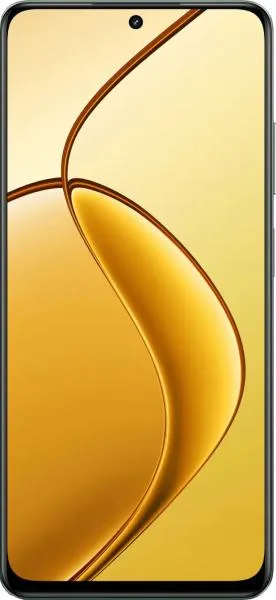
1. Specifications Comparison
| Feature | Motorola Razr 40 | Realme 12x | Practical Impact |
|---|---|---|---|
| Design | |||
| Dimensions (mm) | 170.8 x 74 x 7.4 (folded) | 165.6 x 76.1 x 7.9 | Razr 40 significantly more compact when folded, easier to pocket; Realme 12x larger, more traditional form factor. |
| Weight (g) | 188.6 | 190 | Negligible weight difference in practical use. |
| Foldable | Yes | No | Razr 40 offers portability advantage and a secondary external display for quick interactions; Realme 12x offers a larger, uninterrupted screen. |
| Display | |||
| Display Type | Foldable LTPO AMOLED | IPS LCD | Razr 40: deeper blacks, brighter colors, better power efficiency; Realme 12x: wider viewing angles potentially, less susceptible to burn-in but less vibrant colors. |
| Size (inches) | 6.9 | 6.67 | Razr 40 offers larger screen real estate when unfolded, but a smaller external display when folded; Realme 12x offers consistently large screen. |
| Resolution | 1080 x 2640 | 720 x 1604 | Razr 40: sharper, more detailed image; Realme 12x: noticeable pixelation at this size, less detailed content display. |
| Refresh Rate (Hz) | 144 | 120 | Razr 40: Smoother animations and scrolling; Realme 12x: also smooth but less so than Razr 40. Difference may not be noticeable to all users. |
| Performance | |||
| Chipset | Snapdragon 7 Gen 1 | Dimensity 6100+ | Both are mid-range chipsets. Snapdragon 7 Gen 1 generally considered slightly more powerful in benchmarks, but real-world difference likely minimal for everyday tasks. |
| CPU | Octa-core (1x2.4 GHz A710 & 3x2.36 GHz A710 & 4x1.8 GHz A510) | Octa-core (2x2.2 GHz A76 & 6x2.0 GHz A55) | Detailed comparison difficult without clock speeds for all cores on the Dimensity chip. Both should handle everyday tasks well, but demanding games might show performance differences. |
| RAM (GB) | 8 | 12 | Realme 12x having more RAM could improve multitasking and app switching speed, especially with many apps open in the background. |
| GPU | Adreno 644 | Mali-G57 MC2 | Adreno 644 generally performs better in graphics benchmarks, potentially leading to smoother gaming on the Razr 40. |
| Camera | |||
| Main Camera (MP) | 64 | 50 | Razr 40: Higher resolution, potentially more detail in photos; Realme 12x: Lower resolution, image quality depends heavily on sensor and processing. |
| Secondary Camera(s) | 13MP Wide + Macro, 32MP Selfie | 2MP Depth, 8MP Selfie | Razr 40 offers a more versatile camera setup with a useful ultrawide and higher resolution selfie camera; Realme 12x's depth sensor is less valuable, and the low-resolution selfie camera is a significant drawback. |
| Battery | |||
| Capacity (mAh) | 4200 | 5000 | Realme 12x has significantly larger battery, likely resulting in longer battery life. Foldable displays and more powerful chipsets generally consume more power, potentially offsetting the Razr's LTPO advantage. |
2. Key Differences Analysis
Motorola Razr 40 Advantages:
- Portability: The foldable design offers significant portability advantages.
- Higher Quality Display: AMOLED with higher resolution and refresh rate provides a superior visual experience.
- More Versatile Camera System: Ultrawide lens and higher resolution selfie camera offer greater flexibility.
- Potentially Faster Performance: Slightly more powerful chipset and GPU.
Realme 12x Advantages:
- Larger Battery: Significantly larger battery capacity suggests longer usage time.
- Lower Price: Expected based on specifications and brand positioning.
- Simpler, Larger Screen: Uninterrupted large screen experience for those who don't need or want a foldable device.
- More RAM: Better multitasking performance.
3. User Profiles & Recommendations
Motorola Razr 40: Ideal for users who prioritize portability and cutting-edge technology, value a high-quality display, and are willing to pay a premium for a foldable design. Suitable for users who need a compact phone for travel or prefer one-handed use when folded.
Realme 12x: Best suited for budget-conscious users who prioritize battery life and a large screen for media consumption. Good for users who primarily use their phone for basic tasks like browsing, social media, and calling.
4. Decision Framework
Key Questions:
- Is portability a top priority? If yes, the Razr 40's foldable design is a major advantage.
- What is your budget? The Realme 12x is expected to be significantly more affordable.
- How important is display quality and camera versatility? The Razr 40 excels in both areas.
My Choice: Motorola Razr 40
While the Realme 12x offers a compelling value proposition with its large battery and lower price, I would choose the Motorola Razr 40. The foldable design, despite some inherent compromises, offers a unique combination of portability and a large, high-quality display when unfolded. The superior camera system and smoother performance are also significant factors for me. I am willing to pay the premium for the innovative form factor and better overall user experience. The compact size when folded is a huge advantage for everyday carry, and the external display offers convenient access to notifications and quick tasks. While battery life might be a concern, I prioritize portability and a premium user experience over slightly longer battery life.
