
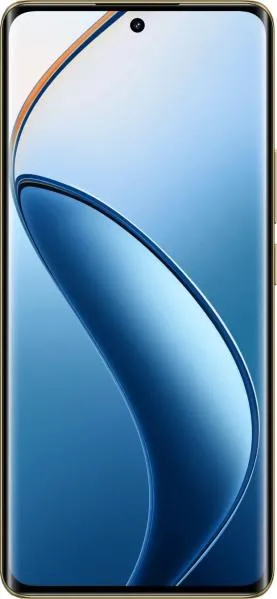
1. Specifications Comparison
| Feature | Motorola Razr 40 | Realme 12 Pro | Practical Impact |
|---|---|---|---|
| Design | |||
| Form Factor | Foldable | Standard | Razr 40 offers portability and a unique form factor, Realme 12 Pro is a traditional slab phone. Foldability impacts pocketability and durability considerations. |
| Dimensions (mm) | 170.8 x 74 x 7.4 (folded) | 161.5 x 74 x 8.8 | Razr 40 is significantly more compact when folded but thicker when unfolded. Realme 12 Pro is thinner overall but larger in footprint. |
| Weight (g) | 188.6 | 190 | Negligible weight difference. |
| Display | |||
| Display Type | Foldable LTPO AMOLED | AMOLED | Razr 40's foldable display allows for a larger screen in a smaller device but introduces a crease. Realme 12 Pro offers a standard, uninterrupted display. |
| Size (inches) | 6.9 | 6.7 | Razr 40 offers a slightly larger screen. |
| Resolution | 1080 x 2640 | 1080 x 2412 | Similar resolutions, but Razr 40's taller aspect ratio provides more vertical space. |
| Refresh Rate (Hz) | 144 | 120 | Razr 40 offers smoother scrolling and animations, though the difference might not be perceptible to all users. |
| Peak Brightness (nits) | 1400 | 950 | Razr 40 is significantly brighter, improving outdoor visibility. |
| Performance | |||
| Chipset | Snapdragon 7 Gen 1 | Snapdragon 6 Gen 1 | Razr 40's processor offers better performance, especially in demanding tasks and gaming. |
| CPU | Octa-core (1x2.4 GHz A710 & 3x2.36 GHz A710 & 4x1.8 GHz A510) | Octa-core (4x2.2 GHz A78 & 4x1.8 GHz A55) | Razr 40 has a more modern CPU architecture, resulting in improved efficiency and performance. |
| GPU | Adreno 644 | Adreno 710 | While Adreno 710 has a higher model number, the 644 paired with the 7 Gen 1 generally delivers better gaming performance in benchmarks. |
| RAM (GB) | 8 | 8 | Both phones have the same amount of RAM. |
| Camera | |||
| Main Camera (MP) | 64 | 50 | Realme 12 Pro uses a larger Sony IMX882 sensor, known for good performance. Megapixel count isn't everything; sensor size and image processing play a crucial role. |
| Ultrawide (MP) | 13 | 8 | Razr 40 offers a slightly higher resolution ultrawide camera. |
| Telephoto | No | 32MP 2x Optical Zoom | Realme 12 Pro offers optical zoom for better image quality at longer distances. A significant advantage for photography enthusiasts. |
| Selfie (MP) | 32 | 16 | Razr 40 boasts a higher resolution selfie camera. |
| Battery | |||
| Capacity (mAh) | 4200 | 5000 | Realme 12 Pro has significantly larger battery capacity, likely translating to longer battery life. Foldable phones often have constraints on battery size. |
2. Key Differences Analysis
Motorola Razr 40 Advantages:
- Portability: Foldable design offers unmatched portability.
- Brighter Display: Superior outdoor visibility.
- Higher Refresh Rate: Smoother animations and scrolling.
- More Powerful Chipset: Better performance for demanding tasks and gaming.
Realme 12 Pro Advantages:
- Larger Battery: Longer battery life.
- Telephoto Lens: Optical zoom capability.
- Larger Main Camera Sensor: Potentially better low-light performance and dynamic range in photos.
- Lower Price: Generally more affordable. (Based on provided limited price data.)
3. User Profiles & Recommendations
Motorola Razr 40: Ideal for users who prioritize portability and a unique form factor over battery life and camera versatility. Best for those who value a compact device and are willing to compromise on some features for the foldable design.
Realme 12 Pro: Suitable for users who prioritize battery life, camera quality, and overall value. Excellent for photography enthusiasts, heavy users, and those seeking a traditional smartphone experience.
4. Decision Framework
Key Questions for Buyers:
- How important is portability? If ultimate portability is paramount, the Razr 40's foldable design is a clear winner.
- What is your budget? The Realme 12 Pro generally offers better value for its price.
- What are your primary use cases? Photography enthusiasts will appreciate the Realme 12 Pro's telephoto lens. Heavy users will benefit from its larger battery. Those focused on media consumption might prefer the Razr 40's larger, brighter display.
My Choice: Realme 12 Pro
While the Razr 40's foldable design is intriguing, the Realme 12 Pro better suits my needs. I prioritize battery life, camera versatility (especially the telephoto lens), and overall value. The larger battery and superior camera system outweigh the benefits of the foldable form factor for my usage. I am willing to trade the novelty of a folding phone for the practicality and longer battery life of the Realme 12 Pro. The slightly larger size is not a significant deterrent for me. The inclusion of a well-regarded Sony IMX882 sensor in the Realme further solidifies its camera advantage, potentially offering better image quality than the Razr 40 despite the lower megapixel count.
