
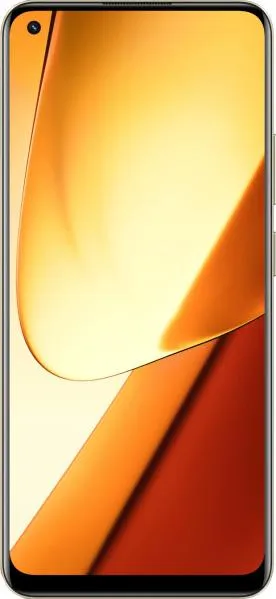
1. Specifications Comparison
| Feature | Motorola Razr 40 | Realme 11 | Practical Impact |
|---|---|---|---|
| Design | |||
| Form Factor | Foldable | Standard | Razr 40 offers portability and a unique form factor, potentially sacrificing durability. Realme 11 is a traditional slab phone. |
| Dimensions (mm) | 170.8 x 74 x 7.4 | 165.7 x 76 x 8.1 | Razr 40 is significantly thinner when folded but slightly taller unfolded. Realme 11 is wider and thicker overall. |
| Weight (g) | 188.6 | 190 | Negligible weight difference; both feel relatively light in hand. |
| Display | |||
| Display Type | Foldable LTPO AMOLED | IPS LCD | Razr 40's AMOLED offers deeper blacks, better contrast, and potentially lower power consumption with LTPO. Realme 11's IPS LCD has wider viewing angles. |
| Display Size (inches) | 6.9 | 6.72 | Similar screen real estate; Razr 40's taller aspect ratio may be better for reading, Realme 11's wider aspect ratio for media consumption. |
| Resolution | 1080 x 2640 | 1080 x 2400 | Razr 40's sharper display due to higher pixel density. |
| Refresh Rate (Hz) | 144 | 120 | Razr 40 offers smoother scrolling and animations. |
| Peak Brightness (nits) | 1400 | 680 | Razr 40 is significantly brighter, improving outdoor visibility. |
| Performance | |||
| Chipset | Snapdragon 7 Gen 1 | Dimensity 6100+ | Snapdragon 7 Gen 1 generally offers better performance, particularly in GPU tasks. |
| CPU | Octa-core (1x2.4 GHz...) | Octa-core (2x2.2 GHz...) | Both are octa-core, but Snapdragon 7 Gen 1's architecture and clock speeds likely result in superior performance. |
| RAM (GB) | 8 | 8 | Same RAM capacity, sufficient for multitasking on both devices. |
| Camera | |||
| Main Camera (MP) | 64 | 100 | Realme 11 boasts a higher resolution main sensor, but image quality depends on various factors beyond megapixel count (sensor size, processing). |
| Video Recording | 4K@30fps | 1080p@30fps | Razr 40 offers superior video resolution. |
| Battery | |||
| Capacity (mAh) | 4200 | 5000 | Realme 11 has a significantly larger battery, likely translating to longer battery life. |
2. Key Differences Analysis
Motorola Razr 40 Advantages:
- Foldable Design: Unique form factor for portability.
- Superior Display: AMOLED with higher refresh rate and peak brightness.
- Better Performance: More powerful chipset (Snapdragon 7 Gen 1).
- Higher Resolution Video Recording: 4K@30fps.
Realme 11 Advantages:
- Larger Battery: Potentially much longer battery life.
- Lower Price: Generally more affordable.
- Higher Resolution Main Camera: 100MP sensor. (Note: Higher resolution doesn't guarantee better image quality.)
- Potentially More Durable: Traditional slab design generally more robust than foldable designs.
Trade-offs:
- Razr 40 sacrifices battery life and durability for its foldable design and superior display/performance.
- Realme 11 prioritizes battery life and affordability over cutting-edge performance and display technology.
3. User Profiles & Recommendations
Motorola Razr 40: Users who value portability, a unique design, and a premium multimedia experience. Ideal for those who prioritize style and are willing to compromise on battery life.
Realme 11: Users seeking a long-lasting battery, affordability, and a decent overall experience. Suitable for those who prioritize practicality and value for money.
4. Decision Framework
Key Questions:
- How important is portability and a unique design?
- What is your budget?
- What are your priorities: battery life, performance, display quality, or camera?
Scenario-based Recommendations:
- Limited Budget, Battery Life is Crucial: Realme 11
- Style Conscious, Value Portability: Motorola Razr 40
- Power User, Needs Top Performance: Motorola Razr 40
My Choice: Motorola Razr 40
While the Realme 11 offers a compelling value proposition with its large battery and lower price, I would choose the Motorola Razr 40. The foldable design significantly appeals to me for its portability and uniqueness. I am willing to compromise slightly on battery life for the superior display quality (AMOLED, higher refresh rate, brightness), the more powerful processor, and the capability to record 4K video. The Razr 40 provides a more premium and enjoyable user experience for my needs, which outweigh the benefits of the Realme 11 in this case. I often prioritize having the latest technology and appreciate the innovative form factor.
