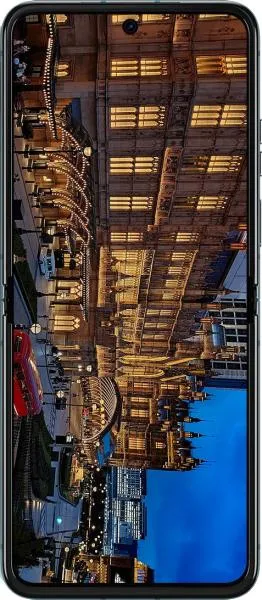
1. Specifications Comparison
| Feature | Motorola Razr 40 | realme 8 | Practical Impact |
|---|---|---|---|
| Design | |||
| Dimensions (mm) | 170.8 x 74 x 7.4 (folded) | 162 x 75.1 x 8.7 | Razr 40 significantly more compact when folded, easier pocketability; realme 8 thinner overall when unfolded. |
| Weight (g) | 188.6 | 191 | Negligible weight difference. |
| Foldable | Yes | No | Razr 40 offers a smaller form factor when folded; realme 8 offers a traditional slab design. |
| Display | |||
| Display Size (inches) | 6.9 | 6.78 | Similar screen real estate. |
| Resolution (pixels) | 1080 x 2640 | 1264 x 2780 | realme 8 has a slightly sharper display due to higher pixel density. |
| Refresh Rate (Hz) | 144 | 120 | Razr 40 offers smoother animations and scrolling. |
| Display Type | Foldable LTPO AMOLED | LTPO AMOLED | Razr 40's folding display introduces a crease; realme 8 offers a potentially more durable, seamless screen. |
| Peak Brightness (nits) | 1400 | 6000 | realme 8 boasts significantly higher peak brightness, improving outdoor visibility. |
| Performance | |||
| Chipset | Snapdragon 7 Gen 1 | Snapdragon 7+ Gen 3 | realme 8 features a newer, more powerful chipset, leading to better performance in demanding tasks and gaming. |
| CPU | Octa-core (1x2.4 GHz A710 & 3x2.36 GHz A710 & 4x1.8 GHz A510) | Octa-core (1x2.8 GHz X4 & 4x2.6 GHz A720 & 3x1.9 GHz A520) | realme 8's CPU architecture provides a significant performance advantage. |
| GPU | Adreno 644 | Adreno 732 | realme 8 has a more powerful GPU, translating to improved gaming and graphics performance. |
| RAM (GB) | 8 | 12 | realme 8 offers more RAM, enabling better multitasking and smoother performance with multiple apps. |
| Camera | |||
| Rear Camera | 64MP Main + 13MP Wide/Macro | Missing Information | Cannot compare without realme 8 camera details. |
| Front Camera | 32MP | Missing Information | Cannot compare without realme 8 camera details. |
| Battery | |||
| Capacity (mAh) | 4200 | 5500 | realme 8 offers significantly longer battery life. |
2. Key Differences Analysis
Motorola Razr 40 Advantages:
- Portability: The foldable design offers unmatched portability.
- High Refresh Rate Display: Smoother scrolling and animations.
- Unique Form Factor: Appeals to users seeking novelty and compactness.
realme 8 Advantages:
- Superior Performance: Newer and significantly more powerful chipset and GPU.
- Larger Battery: Significantly longer battery life.
- Brighter Display: Excellent outdoor visibility.
- More RAM: Better multitasking capabilities.
Trade-offs:
- Razr 40: Sacrifices performance and battery life for portability and unique design. Durability of the folding screen is a concern.
- realme 8: Lacks the compact folded form factor of the Razr 40.
3. User Profiles & Recommendations
Motorola Razr 40: Ideal for users who prioritize portability and style above all else. Suitable for light usage, social media, and casual tasks.
realme 8: Best suited for users who demand performance, long battery life, and a vibrant display. Excellent for gaming, media consumption, and demanding tasks.
4. Decision Framework
Key Questions for Buyers:
- Portability vs. Performance: Which is more important - a compact phone or a powerful one?
- Battery Life: How crucial is all-day battery life without recharging?
- Budget and Feature Prioritization: Are you willing to pay a premium for the foldable design, or do you prioritize value for money in terms of performance and features?
Scenario-Based Recommendations:
- Frequent Traveler: Razr 40 for its compact size.
- Heavy User/Gamer: realme 8 for its performance and battery.
- Budget-Conscious User: realme 8 offers better value for its performance.
My Choice: realme 8
While the Razr 40's foldable design is intriguing, the realme 8's superior performance, significantly longer battery life, brighter display, and larger RAM make it a more practical and versatile device for my needs. I prioritize a smooth user experience and all-day battery life, which the realme 8 delivers. The significant performance gap between the Snapdragon 7 Gen 1 and 7+ Gen 3 is a deciding factor for me. While I appreciate the Razr's innovative form factor, the trade-offs in performance and battery are too significant for my personal use case.
