
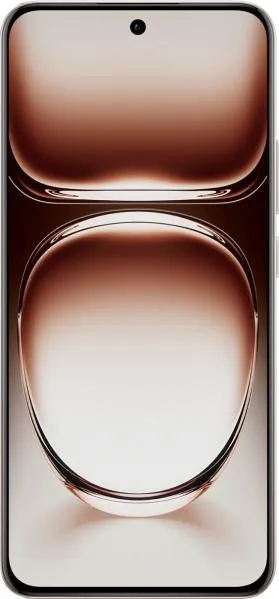
1. Specifications Comparison
| Feature | Motorola Razr 40 | Oppo Reno12 | Practical Impact |
|---|---|---|---|
| Design | |||
| Form Factor | Foldable | Standard | Razr 40 offers portability and a unique form factor, Reno12 is a traditional slab phone. |
| Dimensions (mm) | 170.8 x 74 x 7.4 | 161.4 x 74.1 x 7.6 | Razr 40 is significantly more compact when folded but thicker when unfolded. Reno12 is thinner overall. |
| Weight (g) | 188.6 | 177 | Razr 40 is slightly heavier. |
| Display | |||
| Display Type | Foldable LTPO AMOLED | AMOLED | Razr 40's foldable display allows for a larger screen in a smaller device, but may have a crease. Reno12 offers a seamless, flat display. |
| Size (inches) | 6.9 | 6.7 | Razr 40 offers a slightly larger main display. |
| Resolution | 1080 x 2640 | 1080 x 2412 | Both offer similar sharpness, though the Reno12 has a slightly higher pixel density due to its smaller size. |
| Refresh Rate (Hz) | 144 | 120 | Razr 40 offers smoother scrolling and animations. |
| Peak Brightness (nits) | 1400 | 1200 | Razr 40 might be slightly more visible in direct sunlight. |
| Performance | |||
| Chipset | Snapdragon 7 Gen 1 | Dimensity 7300 Energy | Both chipsets offer similar mid-range performance, though benchmarks would be needed for precise comparison. |
| CPU | Octa-core (1x2.4 GHz A710 & 3x2.36 GHz A710 & 4x1.8 GHz A510) | Octa-core (4x2.5 GHz A78 & 4x2.0 GHz A55) | Reno12's CPU configuration suggests potentially better multi-core performance. |
| GPU | Adreno 644 | Mali-G615 MC2 | Gaming performance differences are unclear without benchmarks; both are mid-range GPUs. |
| RAM (GB) | 8 | 12 | Reno12 offers more RAM for multitasking and demanding applications. |
| Camera | |||
| Main Camera (MP) | 64 | 50 | Razr 40 has a higher resolution main sensor, but megapixels alone don't determine image quality. Reno12 uses a known Sony sensor which often indicates good performance. |
| Ultrawide (MP) | 13 | 8 | Razr 40 has a higher resolution ultrawide camera. |
| Macro (MP) | N/A | 2 | Reno12 offers a dedicated macro lens for close-up shots. |
| Selfie (MP) | 32 | 32 | Both have the same resolution front-facing camera. |
| Video Capabilities | Up to 4K@30fps | Up to 4K@30fps | Reno12 offers more extensive slow-motion video options. |
| Battery | |||
| Capacity (mAh) | 4200 | 5000 | Reno12 has significantly larger battery capacity, likely resulting in longer battery life. |
2. Key Differences Analysis
Motorola Razr 40 Advantages:
- Portability: The foldable design makes it significantly more pocketable.
- Higher Refresh Rate Display: Smoother scrolling and animations.
- Potentially Brighter Display: Better outdoor visibility.
Oppo Reno12 Advantages:
- Larger Battery: Significantly longer battery life.
- More RAM: Better multitasking and performance with demanding apps.
- More Versatile Camera System: Dedicated macro lens and extensive slow-motion video options.
- Potentially Stronger CPU Performance: Reno12's CPU configuration might offer better multi-core performance.
3. User Profiles & Recommendations
Motorola Razr 40: Ideal for users who prioritize portability and a unique, stylish design. Best for those who value pocketability over battery life and are light users.
Oppo Reno12: Suitable for users who prioritize battery life, performance, and a versatile camera system. Best for power users, gamers, and photography enthusiasts.
4. Decision Framework
Key Questions for Buyers:
- How important is portability? If pocketability is paramount, the Razr 40 is the clear winner.
- What is your typical usage pattern? Heavy users will appreciate the Reno12's larger battery and RAM.
- What are your camera needs? The Reno12 offers a more versatile camera system with a dedicated macro lens and better slow-motion capabilities.
My Choice: Oppo Reno12
While the Razr 40's foldable design is intriguing, the Reno12 better suits my needs. I prioritize battery life, a versatile camera system, and smooth performance, all areas where the Reno12 excels. The larger RAM is also a significant advantage for multitasking. While I appreciate the Razr 40's portability, the trade-offs in battery life and performance are too significant for my usage. The Reno12 offers a more well-rounded package for my needs and preferences. The slightly larger display on the Razr 40 is not a compelling enough reason to sacrifice battery life and RAM. I also prefer a traditional slab phone design for its durability and lack of crease.
