1. Specifications Comparison
| Feature | Motorola Razr 40 | OnePlus Nord 4 | Practical Impact |
|---|---|---|---|
| Design | |||
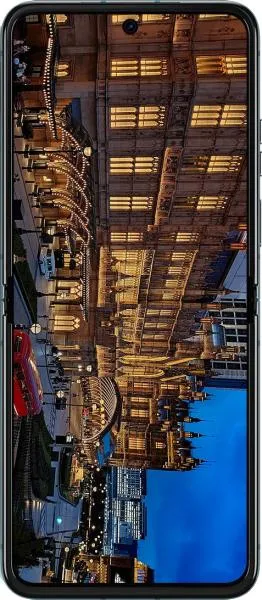
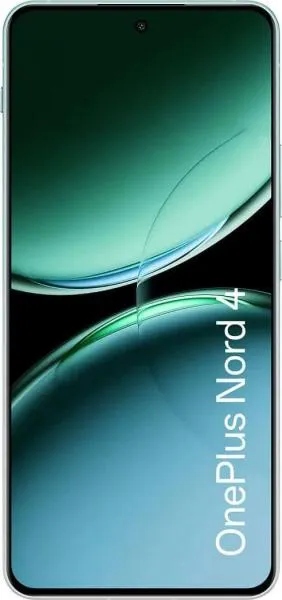
| Form Factor | Foldable | Standard | Razr 40 offers portability and a unique form factor, Nord 4 is a traditional slab phone. |
| Dimensions (mm) | 170.8 x 74 x 7.4 | 162.6 x 75 x 8 | Razr 40 is significantly more compact when folded, but thicker when unfolded. Nord 4 is thinner overall. |
| Weight (g) | 188.6 | 199.5 | Razr 40 is noticeably lighter. |
| Display | |||
| Display Type | Foldable LTPO AMOLED | Fluid AMOLED | Razr 40 has a crease due to folding; Nord 4 offers a seamless display experience. |
| Size (inches) | 6.9 | 6.74 | Negligible size difference in practical usage. |
| Resolution | 1080 x 2640 | 1240 x 2772 | Nord 4 has a slightly sharper display due to higher resolution. |
| Refresh Rate (Hz) | 144 | 120 | Razr 40 offers smoother animations and scrolling, though the difference might not be perceptible to all users. |
| Peak Brightness (nits) | 1400 | 2150 | Nord 4 is significantly brighter, improving outdoor visibility. |
| Performance | |||
| Chipset | Snapdragon 7 Gen 1 | Snapdragon 7+ Gen 3 | Nord 4 boasts a newer, more powerful chipset resulting in significantly better performance in demanding tasks and gaming. |
| CPU | Octa-core (1x2.4 GHz A710 & 3x2.36 GHz A710 & 4x1.8 GHz A510) | Octa-core (1x2.8 GHz X4 & 4x2.6 GHz A720 & 3x1.9 GHz A520) | Nord 4's CPU architecture offers superior performance and efficiency. |
| GPU | Adreno 644 | Adreno 732 | Nord 4 has a considerably more powerful GPU, leading to better gaming and graphics performance. |
| RAM (GB) | 8 | 12/16 | Nord 4 offers more RAM in certain variants, enabling better multitasking and smoother performance with multiple apps. |
| Camera | |||
| Main Camera (MP) | 64 | 50 | Megapixel count isn't everything; image quality depends on sensor size, processing, and other factors not fully detailed here. |
| Ultrawide (MP) | 13 | 8 | Razr has a higher resolution ultrawide, but practical difference needs further sensor information. |
| Selfie (MP) | 32 | 16 | Razr has a higher resolution selfie camera. |
| Video Capabilities | 4K@30fps, 1080p@60fps | 4K@60fps, 1080p@120fps | Nord 4 supports higher resolution and frame rate video recording. |
| Battery | |||
| Capacity (mAh) | 4200 | 5500 | Nord 4 offers significantly longer battery life. |
2. Key Differences Analysis
Motorola Razr 40 Advantages:
- Portability: The foldable design makes it incredibly compact.
- Unique Form Factor: The flip phone nostalgia and novelty.
- Lighter Weight: Noticeably easier to carry and handle.
OnePlus Nord 4 Advantages:
- Performance: Significantly faster processor and GPU for demanding tasks and gaming.
- Display: Brighter and sharper display with a slightly larger screen.
- Battery Life: Much larger battery capacity for extended usage.
- Newer OS: Starts with Android 14 and will receive longer updates.
3. User Profiles & Recommendations
Motorola Razr 40: Users who prioritize portability and style over raw performance and battery life. Ideal for those who value compactness and want a unique device.
OnePlus Nord 4: Users who prioritize performance, battery life, and a modern smartphone experience. Suitable for gaming, media consumption, and heavy multitasking. Price competitive within its segment.
4. Decision Framework
Key Questions:
- Is portability your top priority? If yes, Razr 40.
- Do you need the best possible performance and battery life? If yes, Nord 4.
- What is your budget and how much do you value a novel form factor? Razr's foldable design commands a premium for its novelty.
Scenario-Based Recommendations:
- Heavy User: Nord 4 for its performance and battery.
- Style-Conscious User: Razr 40 for its unique design.
- Budget-Conscious User: Need more pricing information to make a definitive recommendation, but Nord 4 likely offers better value for its performance.
My Choice: OnePlus Nord 4
While the Razr 40's foldable design is intriguing, the Nord 4 offers a more well-rounded package for my needs. I prioritize performance, battery life, and a large, bright display. The Snapdragon 7+ Gen 3, coupled with ample RAM and a larger battery, ensures a smooth and long-lasting user experience. The Nord 4's superior camera capabilities in video recording and the newer Android version with longer update support solidify my choice. Although I appreciate the Razr's portability, the performance advantages and overall value proposition of the Nord 4 are more compelling to me.
