1. Specifications Comparison
| Feature | Motorola Razr 40 | Nothing Phone (2a) Plus | Practical Impact |
|---|---|---|---|
| Design | |||
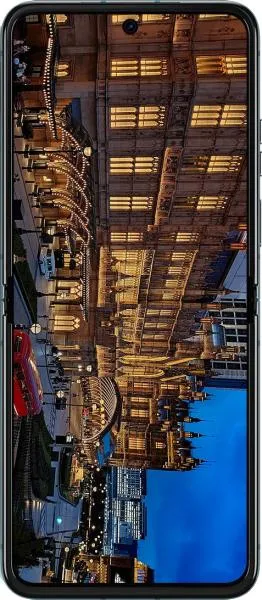
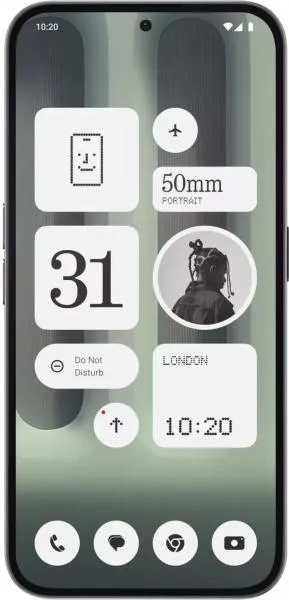
| Dimensions (mm) | 170.8 x 74 x 7.4 (folded) | 161.7 x 76.3 x 8.5 | Razr 40 is significantly more compact when folded, enhancing portability. Nothing Phone is a traditional slab design. |
| Weight (g) | 188.6 | 190 | Negligible weight difference in practical use. |
| Foldable | Yes | No | Razr 40 offers a compact folded state and a larger inner display for multitasking. |
| Display | |||
| Display Type | Foldable LTPO AMOLED | AMOLED | Razr 40's folding display allows for unique use cases like Flex View. Nothing Phone has a standard flat display. |
| Size (inches) | 6.9 (main), ~1.5 (cover) | 6.7 | Razr 40's main display is larger but interrupted by a crease. Nothing Phone offers a seamless, uninterrupted display experience. Cover display on Razr allows quick interactions without unfolding. |
| Resolution (px) | 1080 x 2640 | 1080 x 2412 | Similar sharpness; differences in aspect ratio will impact content display. |
| Refresh Rate (Hz) | 144 | 120 | Razr 40 offers smoother scrolling and animations, but the difference might not be perceptible to all users. |
| Peak Brightness (nits) | 1400 | 1300 | Razr 40 should be slightly more visible in direct sunlight. |
| Performance | |||
| Chipset | Snapdragon 7 Gen 1 | Dimensity 7350 Pro | Both are mid-range chipsets, but benchmarks suggest the Dimensity might offer slightly better performance in some areas. Real-world usage differences may be minimal for average users. |
| CPU | Octa-core (1x2.4 GHz A710 & 3x2.36 GHz A710 & 4x1.8 GHz A510) | Octa-core (2x3.0 GHz A715 & 6x2.0 GHz A510) | Similar CPU configurations, focusing on efficiency. Clock speed differences might give Dimensity an edge in demanding tasks. |
| RAM (GB) | 8 | 12 | Nothing Phone's larger RAM allows for better multitasking and app retention. |
| GPU | Adreno 644 | Mali-G610 MC4 | Adreno 644 generally provides better gaming performance compared to Mali-G610 MC4. |
| Camera | |||
| Main Camera (MP) | 64 | 50 | Nothing Phone uses a larger sensor (Samsung GN9) known for good low-light performance. Megapixel count isn't everything. |
| Ultrawide (MP) | 13 | 50 | Nothing Phone boasts a significantly higher resolution ultrawide camera. |
| Selfie (MP) | 32 | 50 | Nothing Phone has a much higher resolution front-facing camera. |
| Battery | |||
| Capacity (mAh) | 4200 | 5000 | Nothing Phone offers significantly longer battery life. |
2. Key Differences Analysis
Motorola Razr 40 Advantages:
- Portability: The foldable design makes it incredibly pocketable.
- Unique Form Factor: Offers Flex View for hands-free video calls and content consumption.
- High Refresh Rate Display: Smoother scrolling and animations.
- Slightly Brighter Display: Better outdoor visibility.
- Potentially Better Gaming Performance Adreno 644 generally provides better gaming performance
Nothing Phone (2a) Plus Advantages:
- Larger Battery: Significantly longer battery life.
- More RAM: Improved multitasking and app switching performance.
- Potentially Better Main Camera: Larger sensor on the Nothing Phone may result in superior image quality, especially in low light.
- Higher Resolution Ultrawide and Selfie Cameras: More detailed photos and videos.
- Potentially Faster CPU Performance in Demanding Tasks Higher clock speeds on Dimensity 7350 Pro might provide a slight edge.
3. User Profiles & Recommendations
Motorola Razr 40: Ideal for users who prioritize portability and novelty. Best for those who value a compact phone for easy one-handed use and pocket storage. The Flex View feature is beneficial for content consumption and video calls.
Nothing Phone (2a) Plus: Suitable for users who prioritize battery life, performance, and camera quality. Best for those who engage in heavy multitasking, gaming, photography, and videography.
4. Decision Framework
Key Questions for Buyers:
- Form Factor Priority: Do you prioritize ultimate portability and a unique foldable design, or a traditional slab phone with a larger screen?
- Battery Life Importance: Is all-day battery life crucial, or can you compromise for portability?
- Camera Needs: Do you require the best possible camera quality, or is a decent camera sufficient?
Scenario-Based Recommendations:
- Frequent Traveler: Razr 40 for its compact size.
- Power User: Nothing Phone (2a) Plus for its larger battery and RAM.
- Photography Enthusiast: Nothing Phone (2a) Plus for its superior camera system.
My Choice: Nothing Phone (2a) Plus
While the Razr 40's foldable design is intriguing, the Nothing Phone (2a) Plus better suits my needs. I prioritize battery life, a robust camera system, and smooth performance for multitasking. The larger battery and increased RAM are significant advantages for my usage patterns. Although I appreciate the Razr's portability, the trade-offs in battery life and camera quality are too significant for me. The Nothing Phone also offers a more future-proof OS with Android 14 and potential updates to 17. The superior ultrawide and selfie cameras are also compelling features for everyday photography and video calls.
