1. Specifications Comparison
| Feature | Motorola Razr 40 | Nothing Phone (2a) | Practical Impact |
|---|---|---|---|
| Design | |||
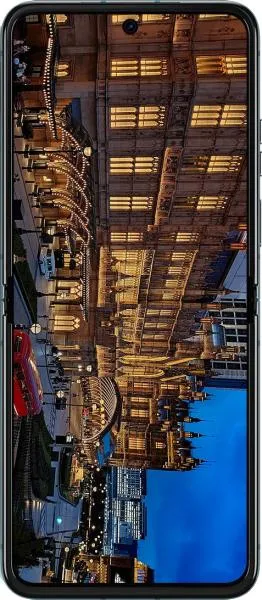
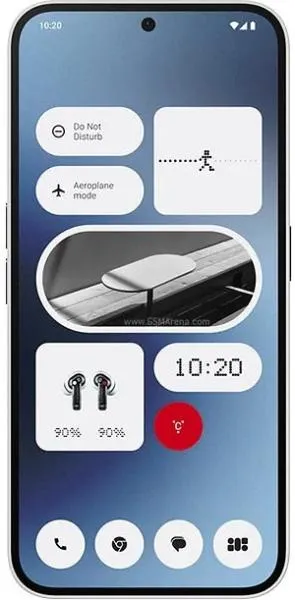
| Dimensions (mm) | 170.8 x 74 x 7.4 (folded) | 161.7 x 76.3 x 8.6 | Razr 40 significantly more compact when folded, easier pocketability; Phone (2a) thinner overall when unfolded. |
| Weight (g) | 188.6 | 190 | Negligible weight difference in real-world usage. |
| Foldable | Yes | No | Razr 40 offers compact portability and a unique form factor; Phone (2a) is a traditional slab design. |
| Display | |||
| Display Type | Foldable LTPO AMOLED | AMOLED | Razr 40 has a foldable screen with potential crease visibility; Phone (2a) offers a standard, potentially more durable screen. |
| Size (inches) | 6.9 | 6.7 | Razr 40 slightly larger screen real estate when unfolded. |
| Resolution (px) | 1080 x 2640 | 1080 x 2412 | Similar pixel density, comparable sharpness; Razr 40 taller aspect ratio. |
| Refresh Rate (Hz) | 144 | 120 | Razr 40 smoother animations and scrolling; difference may not be noticeable for all users. |
| Peak Brightness (nits) | 1400 | 1300 | Razr 40 slightly brighter for better outdoor visibility. |
| Performance | |||
| Chipset | Snapdragon 7 Gen 1 | Dimensity 7200 Pro | Both mid-range chipsets, performance differences likely minor in everyday tasks. Dimensity 7200 Pro benchmarks slightly higher in some areas. |
| CPU | Octa-core (1x2.4 GHz A710 & 3x2.36 GHz A710 & 4x1.8 GHz A510) | Octa-core (2x2.8 GHz A715 & 6x2.0 GHz A510) | Both offer good performance for typical use; differences mainly noticeable in demanding tasks and sustained performance. |
| GPU | Adreno 644 | Mali-G610 MC4 | Gaming performance may vary; Mali-G610 MC4 generally considered slightly less powerful than Adreno 644. |
| RAM (GB) | 8 | 8/12 | Phone (2a) offers a 12GB RAM option for better multitasking and future-proofing. |
| Camera | |||
| Main Camera (MP) | 64 | 50 | Razr 40 higher resolution; image quality depends on sensor size and processing (not fully provided). |
| Ultrawide (MP) | 13 | 50 | Phone (2a) significantly higher resolution ultrawide offering more detail and versatility. |
| Selfie (MP) | 32 | 32 | Comparable selfie camera resolution. |
| Battery | |||
| Capacity (mAh) | 4200 | 5000 | Phone (2a) significantly larger battery capacity, likely translating to longer battery life. |
2. Key Differences Analysis
Motorola Razr 40 Advantages:
- Portability: Foldable design for unmatched compactness.
- High Refresh Rate Display: Smoother visuals.
- Slightly Brighter Display: Enhanced outdoor visibility.
Nothing Phone (2a) Advantages:
- Longer Battery Life: Larger battery capacity.
- Higher Resolution Ultrawide Camera: More detailed and versatile wide-angle shots.
- More RAM: Improved multitasking and future-proofing with the 12GB option.
- Potentially More Durable Screen: Traditional non-folding display.
Trade-offs:
- Razr 40: Smaller battery for portability, potential crease visibility on the folding display.
- Phone (2a): Less pocketable due to traditional slab design, potentially less powerful GPU.
3. User Profiles & Recommendations
Motorola Razr 40: Ideal for users who prioritize portability and style above all else. Excellent for those constantly on the move who value a compact phone.
Nothing Phone (2a): Suited for users who need a reliable, long-lasting battery and value a versatile camera system. Good for multimedia consumption, gaming, and general everyday use.
4. Decision Framework
Key Questions:
- Portability vs. Battery Life: Is ultimate pocketability more important than all-day battery life?
- Foldable novelty vs. Traditional Reliability: Are you willing to embrace new technology with potential drawbacks (crease), or do you prefer a proven form factor?
- Camera Versatility vs. Compactness: Is a high-quality ultrawide camera essential, or is a compact design a higher priority?
My Choice: Nothing Phone (2a)
While the Razr 40's foldable design is intriguing, the Nothing Phone (2a)'s larger battery, superior ultrawide camera, and potentially more durable screen are more compelling for my needs. I prioritize battery life and camera versatility for everyday use, and I am not yet convinced about the long-term durability of foldable displays. The slightly less powerful GPU is a minor trade-off I'm willing to make for the overall package offered by the Phone (2a). The availability of a 12GB RAM option also provides better future-proofing. Ultimately, the Phone (2a) offers a more well-rounded and practical experience for my usage.
