1. Specifications Comparison
| Feature | Motorola Razr 40 | Nothing Phone (2) | Practical Impact |
|---|---|---|---|
| Design | |||
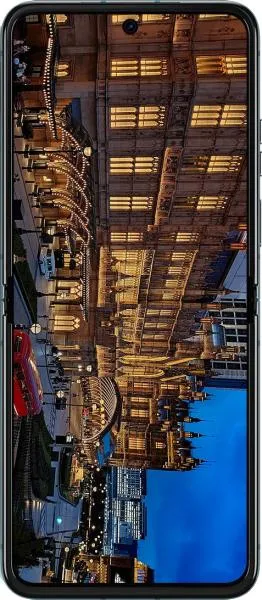
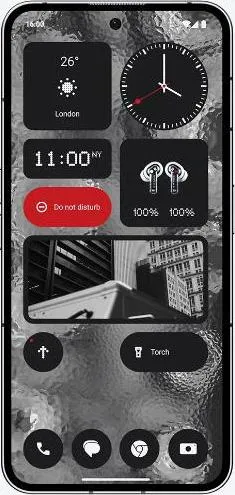
| Form Factor | Foldable | Slab | Razr 40 offers portability and a smaller footprint when closed. Nothing Phone (2) is a traditional candybar design. |
| Dimensions (mm) | 170.8 x 74 x 7.4 | 162.1 x 76.4 x 8.6 | Razr 40 is taller and narrower when unfolded, significantly more compact when folded. Nothing Phone (2) is wider and thicker. |
| Weight (g) | 188.6 | 201.2 | Razr 40 is noticeably lighter. |
| Display | |||
| Type | Foldable LTPO AMOLED | LTPO OLED | Both offer high quality displays with vibrant colors and deep blacks. Razr 40's folding capability is the key differentiator. LTPO enables more granular refresh rate control for both, saving battery. |
| Size (inches) | 6.9 | 6.7 | Razr 40 offers a slightly larger screen real estate when unfolded. |
| Resolution (pixels) | 1080 x 2640 | 1080 x 2412 | Similar sharpness due to similar pixel density. Razr 40's taller aspect ratio is better for scrolling webpages, Nothing Phone (2) is closer to a traditional widescreen format. |
| Refresh Rate (Hz) | 144 | 120 | Razr 40 offers smoother animations and scrolling. The difference might not be perceptible to all users. |
| Peak Brightness (nits) | 1400 | 1600 | Nothing Phone (2) should be more visible in direct sunlight. |
| Performance | |||
| Chipset | Snapdragon 7 Gen 1 | Snapdragon 8+ Gen 1 | Nothing Phone (2) has a significantly more powerful processor, leading to better performance in demanding tasks and gaming. |
| CPU | Octa-core (up to 2.4 GHz) | Octa-core (up to 3.0 GHz) | Nothing Phone (2)'s higher clock speeds and more powerful core architecture deliver superior processing power. |
| GPU | Adreno 644 | Adreno 730 | Nothing Phone (2) offers significantly better graphics performance for gaming and visually intensive applications. |
| RAM (GB) | 8 | 12 | Nothing Phone (2)'s larger RAM enables better multitasking and app switching, particularly beneficial for demanding users. |
| Camera | |||
| Main Camera (MP) | 64 | 50 (Sony IMX890) | While Razr 40 has a higher megapixel count, Nothing Phone (2) utilizes a larger sensor (1/1.56") known for good low-light performance. Image quality comparison requires real-world testing. |
| Battery | |||
| Capacity (mAh) | 4200 | 4700 | Nothing Phone (2) has a larger battery capacity, potentially offering longer battery life. Foldable displays often consume more power, offsetting some of Razr 40's battery capacity disadvantage. |
2. Key Differences Analysis
Motorola Razr 40 Advantages:
- Portability: The foldable design makes it significantly more pocketable.
- Lighter Weight: Noticeably lighter than the Nothing Phone (2).
- Higher Refresh Rate: Smoother scrolling and animations.
Nothing Phone (2) Advantages:
- Significantly Faster Performance: The Snapdragon 8+ Gen 1 provides a major performance advantage for demanding tasks and gaming.
- Larger Battery: Potentially longer battery life.
- Brighter Display: Better visibility in direct sunlight.
- More RAM: Improved multitasking capabilities.
- Potentially Better Camera: Larger sensor on the main camera suggests improved low-light performance. Real-world testing needed for definitive comparison.
Trade-offs:
- Razr 40: Sacrifices performance and battery life for portability and unique design. Durability of the folding screen is a long-term consideration.
- Nothing Phone (2): Larger and heavier for a more conventional smartphone experience.
3. User Profiles & Recommendations
Motorola Razr 40: Ideal for users who prioritize portability and a unique design above raw performance. Best for users who value compact size for carrying and light usage scenarios.
Nothing Phone (2): Suitable for power users, gamers, and those who demand top-tier performance. Good for users who consume multimedia content and prioritize a bright, vibrant display.
4. Decision Framework
Key Questions:
- Is portability your top priority? If yes, the Razr 40's foldable design is a strong contender.
- Do you need top-tier performance for demanding tasks or gaming? If yes, the Nothing Phone (2) is the clear winner.
- What is your budget and how much value do you place on a unique design versus raw specifications? The Razr 40 offers a unique foldable experience, while the Nothing Phone (2) provides superior performance at a similar price point.
My Choice: Nothing Phone (2)
While the Razr 40's foldable design is intriguing, the Nothing Phone (2)'s superior performance, larger battery, brighter display, and potentially superior camera make it a more compelling overall package for my needs. I prioritize performance and a smooth user experience, and the Snapdragon 8+ Gen 1 delivers in that regard. The larger RAM also ensures smoother multitasking, which is important to me. While the Razr 40's portability is attractive, I am willing to trade that for the significant performance gains and overall better user experience offered by the Nothing Phone (2).
