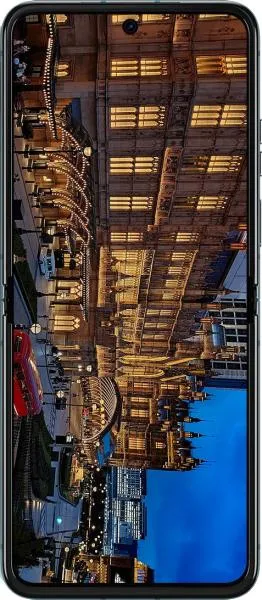
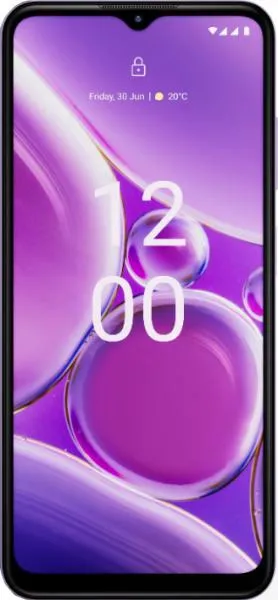
1. Specifications Comparison
| Feature | Motorola Razr 40 | Nokia G42 | Practical Impact |
|---|---|---|---|
| Design | |||
| Dimensions | 170.8 x 74 x 7.4 mm | 165 x 75.8 x 8.6 mm | Razr 40 is significantly thinner when unfolded, but thicker when folded. G42 is a more traditionally sized smartphone. |
| Weight | 188.6 g | 193.8 g | Negligible weight difference in practical use. |
| Foldable | Yes | No | Razr 40 offers a compact folded size for pocketability, transforming into a larger screen when unfolded. G42 has a standard slab design. |
| Display | |||
| Type | Foldable LTPO AMOLED | IPS LCD | Razr 40 provides superior contrast, deeper blacks, and potentially better power efficiency with LTPO. G42's LCD is generally less vibrant. |
| Size | 6.9" | 6.56" | Razr 40 offers a larger display area when unfolded. |
| Resolution | 1080 x 2640 px | 720 x 1612 px | Razr 40 has a much sharper display (413 ppi vs 269 ppi), resulting in crisper text and images. |
| Refresh Rate | 144Hz | 90Hz | Razr 40 provides smoother animations and scrolling compared to the G42, though the difference might not be noticeable for all users. |
| Performance | |||
| Chipset | Snapdragon 7 Gen 1 | Snapdragon 480+ 5G | Razr 40 offers significantly better performance in demanding tasks like gaming and multitasking. |
| CPU | Octa-core (1x2.4 GHz Cortex-A710 & 3x2.36 GHz Cortex-A710 & 4x1.8 GHz Cortex-A510) | Octa-core (2x2.2 GHz Kryo 460 & 6x1.8 GHz Kryo 460) | Razr 40's more powerful CPU architecture and higher clock speeds translate to a noticeably faster and more responsive user experience. |
| GPU | Adreno 644 | Adreno 619 | Razr 40's superior GPU will deliver a smoother gaming experience and handle graphics-intensive tasks better. |
| RAM | 8GB | 4GB/6GB | Razr 40's larger RAM allows for more apps to run in the background without performance slowdowns. |
| Camera | |||
| Main Camera | 64MP | 50MP | While megapixel count isn't everything, the Razr 40 likely offers better detail and low-light performance. Real-world image quality depends on factors like sensor size and processing, which are not fully specified. |
| Video Recording | 4K@30fps with EIS | 1080p@30fps | Razr 40 offers higher resolution video recording and Electronic Image Stabilization (EIS) for smoother footage. |
| Battery | |||
| Capacity | 4200 mAh | 5000 mAh | G42 has a larger battery capacity, potentially offering longer battery life. However, the Razr 40's more efficient display technology might offset this difference. |
2. Key Differences Analysis
Motorola Razr 40 Advantages:
- Significantly more powerful: Superior chipset, CPU, and GPU for smooth performance.
- Higher quality display: Sharper, smoother, and more vibrant AMOLED display.
- Foldable design: Compact when folded, large screen when unfolded.
- Higher resolution video recording: 4K@30fps with EIS.
Nokia G42 Advantages:
- Larger battery capacity: Potentially longer battery life.
- Lower price: Offers a more budget-friendly option.
Trade-offs:
- Razr 40: Higher price for foldable design and premium features. Smaller battery capacity compared to G42.
- G42: Less powerful performance, lower resolution display, lacks the flexibility of a foldable design.
3. User Profiles & Recommendations
Motorola Razr 40: Users who value portability, a large and high-quality display, and strong performance. Suitable for demanding tasks, multimedia consumption, and those who appreciate innovative design.
Nokia G42: Users who prioritize battery life and affordability. Suitable for basic tasks, web browsing, social media, and those seeking a reliable, budget-friendly device.
4. Decision Framework
Key Questions for Buyers:
- Is a foldable design a priority? If portability and a compact form factor are crucial, the Razr 40 is the clear choice.
- What is your budget? The G42 is significantly more affordable.
- What level of performance do you need? The Razr 40 offers a significant performance advantage for demanding tasks and gaming.
My Choice: Motorola Razr 40
While the Nokia G42 offers excellent value for its price, the Motorola Razr 40's superior performance, stunning display, and innovative foldable design are compelling. The Snapdragon 7 Gen 1 chip ensures a smooth user experience, the 144Hz AMOLED display is visually impressive, and the compact folded size is a significant advantage for portability. Although the battery capacity is smaller than the G42, the LTPO display technology may mitigate this difference in real-world usage. The higher price is justified for the premium features and unique form factor. As a smartphone analyst focused on cutting-edge technology and user experience, the Razr 40 aligns better with my priorities.
