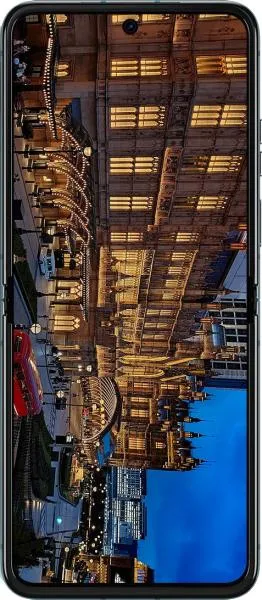
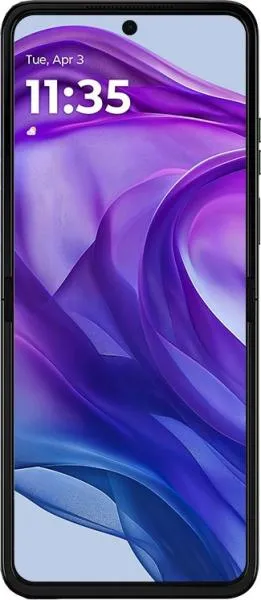
1. Specifications Comparison
| Feature | Motorola Razr 40 | Motorola Razr 50 Ultra | Practical Impact |
|---|---|---|---|
| Design | |||
| Dimensions (mm) | 170.8 x 74 x 7.4 | 171.4 x 74 x 7.1 | Razr 50 Ultra is slightly taller and thinner. Negligible difference in daily use. |
| Weight (g) | 188.6 | 189 | Virtually identical weight. |
| Foldable | Yes | Yes | Both offer foldable screen technology. |
| Display | |||
| Size (inches) | 6.9 | 6.9 | Same screen size. |
| Resolution (px) | 1080 x 2640 | 1080 x 2640 | Identical resolution. |
| Refresh Rate (Hz) | 144 | 165 | Razr 50 Ultra offers a slightly smoother visual experience, especially in fast-paced games or scrolling. |
| Peak Brightness (nits) | 1400 | 3000 | Razr 50 Ultra significantly brighter, dramatically improving outdoor visibility. |
| Dolby Vision | No | Yes | Razr 50 Ultra supports Dolby Vision for enhanced color and dynamic range in compatible content. |
| Performance | |||
| Chipset | Snapdragon 7 Gen 1 | Snapdragon 8s Gen 3 | Razr 50 Ultra has a significantly more powerful processor, resulting in faster app loading, smoother multitasking, and better gaming performance. |
| CPU | Octa-core (1x2.4 GHz Cortex-A710 & 3x2.36 GHz Cortex-A710 & 4x1.8 GHz Cortex-A510) | Octa-core (1x3.0 GHz Cortex-X4 & 4x2.8 GHz Cortex-A720 & 3x2.0 GHz Cortex-A520) | Razr 50 Ultra's CPU architecture offers a substantial performance boost over the Razr 40. |
| GPU | Adreno 644 | Adreno 735 | Razr 50 Ultra's superior GPU provides a noticeable advantage in graphically demanding tasks and games. |
| RAM (GB) | 8 | 12 | More RAM in the Razr 50 Ultra allows for more apps to run in the background without impacting performance. |
| Camera | |||
| Main Camera (MP) | 64 | 50 | While Razr 40 has higher megapixel count, Razr 50 Ultra utilizes a larger sensor (Samsung GN8) likely resulting in better low-light performance and overall image quality. More details about sensor size and pixel size are needed for a conclusive comparison. |
| Telephoto Lens | No | Yes (50MP with 2X optical zoom) | Razr 50 Ultra offers optical zoom for clearer zoomed-in shots, a significant advantage. |
| Video Capabilities | Up to 4K@30fps | Up to 4K@60fps with HDR, EIS, and higher slow-motion capabilities | Razr 50 Ultra offers significantly better video recording capabilities with higher resolution, frame rate, HDR, and advanced slow-motion. |
| Battery | |||
| Capacity (mAh) | 4200 | 4000 | Razr 40 has a slightly larger battery capacity. However, real-world battery life depends heavily on usage and optimization; the more powerful processor in the 50 Ultra could potentially offset the capacity difference. |
2. Key Differences Analysis
Motorola Razr 40 Advantages:
- Potentially longer battery life: Slightly larger battery capacity. However, real-world usage will determine actual battery life.
- Lower Price: Positioned in a more affordable price range.
Motorola Razr 50 Ultra Advantages:
- Significantly faster performance: Snapdragon 8s Gen 3 and 12GB RAM provide a substantial performance advantage for demanding tasks and multitasking.
- Brighter, smoother display: 165Hz refresh rate and 3000 nits peak brightness offer a superior visual experience.
- Superior camera system: Telephoto lens with optical zoom and enhanced video recording capabilities.
- Dolby Vision support: Improves visual quality for compatible content.
- More recent OS: Starts with Android 14 and has a longer upgrade path.
Trade-offs:
- Razr 40: Compromises on performance and some features (e.g., telephoto lens, high refresh rate display) for affordability.
- Razr 50 Ultra: Slightly smaller battery capacity and higher price for significantly improved performance and features.
3. User Profiles & Recommendations
Razr 40: Ideal for users on a budget who prioritize a foldable design and basic smartphone functionality. Suitable for everyday tasks like web browsing, social media, and casual photography.
Razr 50 Ultra: Best suited for power users and enthusiasts who demand top-tier performance, a premium display, and advanced camera features. Ideal for demanding tasks like gaming, video editing, and professional photography/videography.
4. Decision Framework
Key Questions for Buyers:
- What is your budget? The Razr 40 offers a more affordable entry point to the foldable phone market.
- What level of performance do you need? The Razr 50 Ultra provides a significant performance boost for demanding tasks.
- How important are camera features and display quality? The Razr 50 Ultra excels in these areas.
Scenario-Based Recommendations:
- Casual User on a Budget: Razr 40
- Power User/Enthusiast: Razr 50 Ultra
- Photographer/Videographer: Razr 50 Ultra
My Choice: Motorola Razr 50 Ultra
While the Razr 40 offers a compelling price, the Razr 50 Ultra's significant advantages in performance, display, and camera capabilities make it the better choice for me. The superior processor, brighter display with a higher refresh rate, the inclusion of a telephoto lens, and enhanced video recording capabilities are crucial for my usage. I prioritize a smooth and responsive user experience, excellent visual quality, and the ability to capture high-quality photos and videos. While the slightly smaller battery is a consideration, I am willing to accept that trade-off for the overall superior performance and feature set. The longer software support lifespan is also a factor in its favor.
