1. Specifications Comparison
| Feature | Motorola Razr 40 | Motorola Moto G85 | Practical Impact |
|---|---|---|---|
| Design | |||
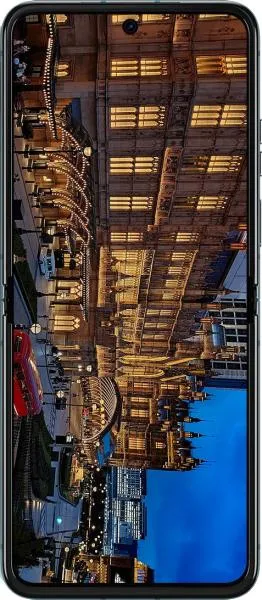
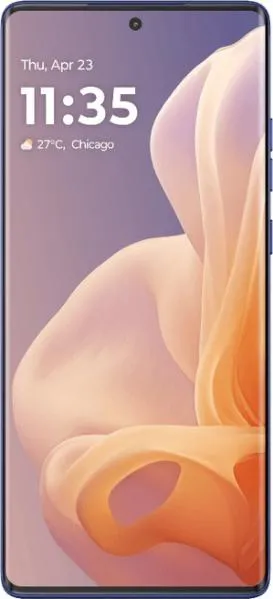
| Dimensions (mm) | 170.8 x 74 x 7.4 (folded) | 161.9 x 73.1 x 7.6 | Razr 40 significantly more compact when folded, easier pocketability. G85 is a traditional slab design. |
| Weight (g) | 188.6 | 171 | Razr 40 slightly heavier despite smaller size, potentially due to hinge mechanism. |
| Foldable | Yes | No | Razr 40 offers a larger screen in a smaller form factor when folded. G85 offers a larger, uninterrupted display. |
| Display | |||
| Display Type | Foldable LTPO AMOLED | P-OLED | Razr 40's folding display allows for different use cases compared to G85's traditional display. Durability of the folding screen is a consideration. |
| Size (inches) | 6.9 | 6.67 | Negligible difference in screen real estate when unfolded. |
| Resolution | 1080 x 2640 | 1080 x 2400 | Similar pixel density, sharpness should be comparable. Razr 40 slightly taller aspect ratio. |
| Refresh Rate (Hz) | 144 | 120 | Razr 40 offers smoother scrolling and animations, but the difference might not be noticeable for all users. |
| Peak Brightness (nits) | 1400 | 1600 | G85 potentially offers better outdoor visibility. |
| Performance | |||
| Chipset | Snapdragon 7 Gen 1 | Snapdragon 6s Gen 3 | 7 Gen 1 generally offers better performance than the 6s Gen 3, resulting in faster app loading, smoother multitasking, and potentially better gaming performance. |
| CPU | Octa-core (1x2.4 GHz Cortex-A710 & 3x2.36 GHz Cortex-A710 & 4x1.8 GHz Cortex-A510) | Octa-core (2x2.3 GHz Cortex-A78 & 6x2.0 GHz Cortex-A55) | While both have similar clock speeds, the architectural differences favor the 7 Gen 1 in the Razr 40. |
| RAM (GB) | 8 | 12 | G85 has more RAM, enabling better multitasking and keeping more apps in memory. |
| GPU | Adreno 644 | Adreno 619 | Razr 40's GPU offers superior graphics performance for demanding games and applications. |
| Camera | |||
| Main Camera (MP) | 64 | 50 | Razr 40 boasts higher resolution, potentially capturing more detail. However, sensor size and other factors also influence image quality. |
| Ultrawide (MP) | 13 | 8 | Razr 40 offers a higher resolution ultrawide lens. |
| Selfie (MP) | 32 | 32 | Similar resolution, but image quality depends on sensor and processing. |
| Video Recording | 4K@30fps with EIS | 1080p@60fps | Razr 40 can record higher resolution video but G85 offers smoother 60fps at 1080p. |
| Battery | |||
| Capacity (mAh) | 4200 | 5000 | G85 offers significantly larger battery capacity, likely translating to longer battery life. Razr 40's smaller battery may be due to space constraints of the foldable design. |
2. Key Differences Analysis
Motorola Razr 40 Advantages:
- Form Factor: The foldable design is the key differentiator, offering portability and a larger screen in a compact device.
- Performance: The Snapdragon 7 Gen 1 and Adreno 644 offer a noticeable performance advantage for demanding tasks and gaming.
- Higher Resolution Main & Ultrawide Cameras: Potentially better image detail.
- Higher Refresh Rate Display: Smoother scrolling and animations.
Motorola Moto G85 Advantages:
- Battery Life: Significantly larger battery capacity, expected to last considerably longer on a single charge.
- Larger RAM: Better multitasking capabilities.
- Brighter Display: Enhanced outdoor visibility.
- Lower Price: Generally more affordable.
Trade-offs:
- Razr 40 sacrifices battery life and affordability for its unique foldable design and superior performance.
- G85 prioritizes battery life and affordability over cutting-edge performance and a compact design.
3. User Profiles & Recommendations
Motorola Razr 40: Ideal for users who prioritize portability and a compact design without compromising on performance. Suitable for those who value having a larger screen available in a pocket-sized device. Best for users who multitask moderately and play demanding mobile games, and are willing to compromise on battery life.
Motorola Moto G85: Best suited for users who prioritize battery life and affordability. Ideal for those who primarily use their phone for everyday tasks like browsing, social media, and media consumption, and who don't need the absolute highest performance or a foldable design. Good for heavy multitaskers due to the higher RAM.
4. Decision Framework
Key Questions for Buyers:
- How important is portability and a compact design? If crucial, the Razr 40's foldable design is a strong advantage.
- What is your budget and how important is battery life? The G85 offers a significantly larger battery and lower price.
- What type of user are you? Power users who demand performance will prefer the Razr 40, while average users prioritizing battery life and affordability will lean towards the G85.
Scenario-Based Recommendations:
- Frequent Traveler: Razr 40 for its compact folded size.
- Heavy Multitasker: G85 for its larger RAM.
- Mobile Gamer: Razr 40 for its superior GPU.
- Budget-Conscious User: G85 for its affordability.
My Choice: Motorola Moto G85
While the Razr 40's foldable design and superior performance are appealing, the Moto G85 better suits my personal needs. I prioritize long battery life, as I often use my phone throughout the day without easy access to charging. The larger RAM is also beneficial for my multitasking workflow. While I appreciate the Razr 40's innovation, the G85's combination of practical features, strong performance for everyday tasks, and affordability makes it the more compelling choice for me. The price difference is significant enough to outweigh the benefits of the foldable design and slightly faster processor for my usage. I am not a heavy gamer and value all-day battery life over a slightly more powerful processor.
