1. Specifications Comparison
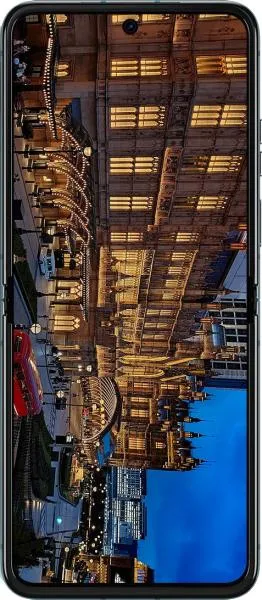
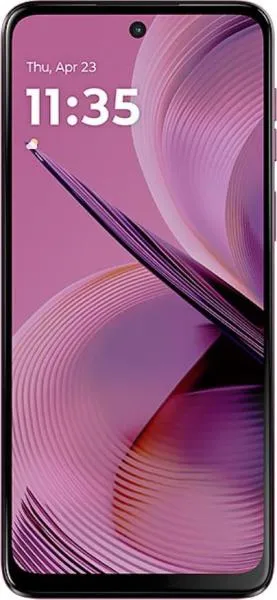
| Feature | Motorola Razr 40 | Motorola Moto G55 | Practical Impact |
|---|---|---|---|
| Design | |||
| Dimensions (mm) | 170.8 x 74 x 7.4 | 161.6 x 73.8 x 8.1 | Razr 40 is significantly more compact when folded, making it highly pocketable. G55 is a traditional slab phone. |
| Weight (g) | 188.6 | 179 | Razr 40 is slightly heavier despite smaller size, likely due to the folding mechanism. |
| Foldable | Yes | No | Razr 40 offers the flexibility of a large screen in a compact form factor. G55 provides a larger, consistently available screen. |
| Display | |||
| Type | Foldable LTPO AMOLED | IPS LCD | Razr 40 boasts superior contrast, deeper blacks, and potentially better power efficiency with LTPO (although this spec is unclear as is_ltpo is false). G55 offers wider viewing angles typical of IPS. |
| Size (inches) | 6.9 | 6.49 | Razr 40's larger display provides more immersive content consumption. |
| Resolution | 1080 x 2640 | 1080 x 2400 | Similar sharpness due to similar pixel density; Razr 40 slightly taller due to aspect ratio. |
| Refresh Rate (Hz) | 144 | 120 | Razr 40 offers smoother animations and scrolling. |
| Performance | |||
| Chipset | Snapdragon 7 Gen 1 (4 nm) | MediaTek Dimensity 7025 (6 nm) | Both are mid-range chipsets. Snapdragon 7 Gen 1 generally offers better performance, especially in graphics-intensive tasks. |
| CPU | Octa-core (1x2.4 GHz Cortex-A710 & 3x2.36 GHz Cortex-A710 & 4x1.8 GHz Cortex-A510) | Octa-core (2x2.5 GHz Cortex-A78 & 6x2.0 GHz Cortex-A55) | While Dimensity 7025 has faster prime cores, Snapdragon 7 Gen 1's overall architecture and GPU are generally considered superior. |
| RAM (GB) | 8 | 8 | Both offer sufficient RAM for multitasking. |
| Camera | |||
| Main Camera (MP) | 64 | 50 | Razr 40 boasts a higher resolution main sensor. Image quality depends on factors beyond resolution, and detailed sensor specifications are missing. |
| Video Recording | 4K@30fps with EIS | 1080p@60fps | Razr 40 offers higher resolution video recording. |
| Battery | |||
| Capacity (mAh) | 4200 | 5000 | G55 has a significantly larger battery, likely resulting in longer battery life. Foldable phones often have compromises in battery capacity. |
2. Key Differences Analysis
Motorola Razr 40 Advantages:
- Portability: Significantly smaller when folded.
- Superior Display: AMOLED with higher refresh rate.
- Generally Better Performance: Snapdragon chipset usually edges out Dimensity in benchmarks.
Motorola Moto G55 Advantages:
- Longer Battery Life: Larger battery capacity.
- Lower Price: Generally more affordable.
- Larger, Consistently Available Screen: No crease or potential durability concerns of a folding display.
Trade-offs:
- Razr 40 sacrifices battery life and affordability for portability and a premium display.
- G55 prioritizes affordability and battery life over cutting-edge performance and portability.
3. User Profiles & Recommendations
Motorola Razr 40: Ideal for users who prioritize portability and style and are willing to pay a premium. Best for those who value a compact phone for easy carrying and are less concerned about battery life. Use cases include frequent travelers, fashion-conscious individuals, and those who prioritize one-handed usability.
Motorola Moto G55: Suitable for budget-conscious users who need a reliable phone with long battery life. Best for users who primarily consume media, browse the web, and use social media. Excellent for users who don't need the absolute latest performance and prioritize all-day battery life.
4. Decision Framework
Key Questions for Buyers:
- How important is portability? If pocketability is paramount, the Razr 40 is the clear winner.
- What's your budget? The G55 offers excellent value for its price.
- What's your primary phone usage? Heavy gamers or power users might prefer the Razr 40's performance, while casual users would find the G55 sufficient.
Scenario-Based Recommendations:
- Frequent Traveler: Razr 40 for its compact size.
- Budget-Conscious Student: G55 for affordability and long battery life.
- Tech Enthusiast: Razr 40 for the innovative foldable design and better performance.
My Choice: Motorola Moto G55
While the Razr 40 is undeniably cool with its foldable design and superior display, the Moto G55 offers a more practical package for my needs. I prioritize battery life and value, and the G55 excels in both areas. The larger, consistently available screen is also a plus for media consumption. While I appreciate the Razr 40's portability, the trade-offs in battery life and price are too significant for me personally. The G55 provides a well-rounded experience at a more accessible price point. A larger battery capacity outweighs the slightly better performance of the Razr 40 in my daily usage scenario. I am not willing to sacrifice battery life for a foldable screen.
