1. Specifications Comparison
| Feature | Motorola Razr 40 | Motorola Moto G54 | Practical Impact |
|---|---|---|---|
| Design | |||
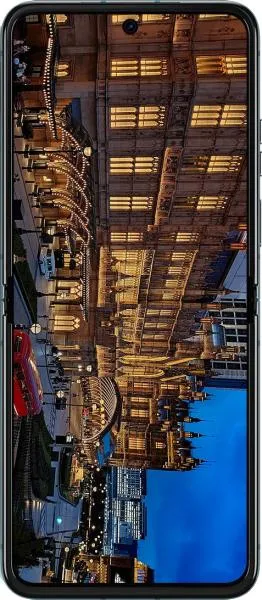
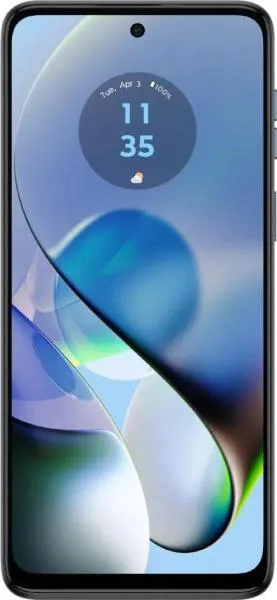
| Form Factor | Foldable | Standard | Razr 40 offers portability and a unique form factor, G54 is a traditional slab design. |
| Dimensions (mm) | 170.8 x 74 x 7.4 (folded) | 161.6 x 73.8 x 8 | Razr 40 is significantly more compact when folded, G54 is thinner when unfolded. |
| Weight (g) | 188.6 | 177 | Razr 40 is slightly heavier despite smaller folded size. |
| Display | |||
| Display Type | Foldable LTPO AMOLED | IPS LCD | Razr 40 provides deeper blacks, vibrant colors, and potentially better power efficiency with LTPO; G54 offers wider viewing angles typical of IPS. |
| Size (inches) | 6.9 | 6.5 | Razr 40 has a larger main display for immersive content consumption. |
| Resolution | 1080 x 2640 | 1080 x 2400 | Similar sharpness due to size difference; both are suitable for everyday use. |
| Refresh Rate (Hz) | 144 | 120 | Razr 40 offers smoother animations and scrolling. |
| Performance | |||
| Chipset | Snapdragon 7 Gen 1 (4 nm) | MediaTek Dimensity 7020 (6 nm) | Both offer mid-range performance, specific benchmarks needed for detailed comparison. Snapdragon chips often have an edge in GPU performance. |
| CPU | Octa-core (1x2.4 GHz Cortex-A710 & 3x2.36 GHz Cortex-A710 & 4x1.8 GHz Cortex-A510) | Octa-core (2x2.2 GHz Cortex-A78 & 6x2.0 GHz Cortex-A55) | Both are octa-core CPUs, architectural differences may lead to varying performance in different tasks. |
| RAM (GB) | 8 | 8 | Both offer sufficient RAM for multitasking. |
| Camera | |||
| Main Camera (MP) | 64 | 50 | Razr 40 has a higher resolution main sensor, potentially capturing more detail. Real-world image quality depends on processing and other factors. |
| Secondary Camera | 13MP Wide + Macro | 2MP Macro | Razr 40's secondary camera is significantly more versatile with a usable wide-angle lens. G54's 2MP macro is likely of limited practical use. |
| Selfie Camera (MP) | 32 | 16 | Razr 40 has a much higher resolution selfie camera. |
| Video Recording | 4K@30fps with EIS | 1080p@60fps | Razr 40 offers higher resolution video recording, G54 can record at a higher frame rate for smoother footage at 1080p. |
| Battery | |||
| Capacity (mAh) | 4200 | 5000 | G54 has a significantly larger battery, likely resulting in longer battery life. Foldables often have compromises in battery capacity. |
2. Key Differences Analysis
Motorola Razr 40 Advantages:
- Form Factor: The foldable design provides unique portability and a stylish aesthetic.
- Superior Display: The LTPO AMOLED offers better contrast, colors, and potentially improved power efficiency.
- Higher Resolution Cameras: Both main and selfie cameras boast higher resolution for detailed captures.
- More Versatile Secondary Camera: Includes a usable wide-angle lens compared to the G54's low-resolution macro.
- Smoother Display: 144Hz refresh rate provides a noticeable improvement in fluidity.
Motorola Moto G54 Advantages:
- Longer Battery Life: The significantly larger battery capacity will likely result in much longer usage between charges.
- Potentially Lower Price: Depending on specific market conditions, the G54 may be more affordable.
- More Durable Design: Traditional slab phones are generally more robust than foldables.
3. User Profiles & Recommendations
Motorola Razr 40: Ideal for users who prioritize portability, style, and a cutting-edge form factor, and value a high-quality display and camera. Suitable for social media enthusiasts, content creators who value compactness, and those seeking a unique device.
Motorola Moto G54: Best suited for users who prioritize battery life, practicality, and affordability. Ideal for users who are heavy phone users, need a reliable device for communication and basic tasks, and prefer a durable, familiar form factor.
4. Decision Framework
Key Questions for Buyers:
- How important is portability and style? A foldable phone offers a unique advantage in portability.
- What is your budget? The Razr 40 is likely to be more expensive.
- What are your primary use cases? Media consumption, photography, or basic communication and tasks?
Scenario-Based Recommendations:
- Limited Budget, Long Battery Life is Crucial: Moto G54
- Prioritize Latest Technology, Unique Design: Razr 40
- Balance of Features, Value for Money: Further research into pricing and real-world performance comparisons is needed to make a definitive recommendation.
My Choice: Motorola Moto G54
While the Razr 40 offers a compelling foldable design and superior display, the significantly larger battery of the Moto G54 and potentially lower price are deciding factors for me. I prioritize battery life and practicality for my daily usage, which involves heavy communication, web browsing, and occasional media consumption. The G54's robust design also adds to its appeal for long-term reliability. Although the Razr 40 has attractive features, the G54 better meets my personal needs and preferences. The significantly more versatile secondary camera of the Razr 40 is tempting, but the battery life difference is a greater priority for me personally.
