1. Specifications Comparison
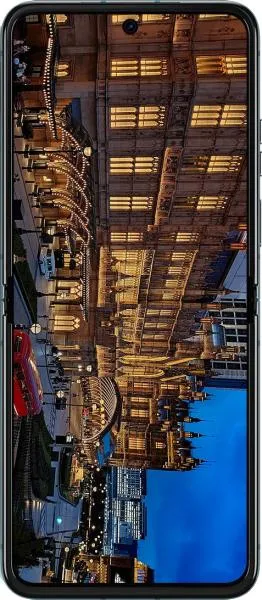
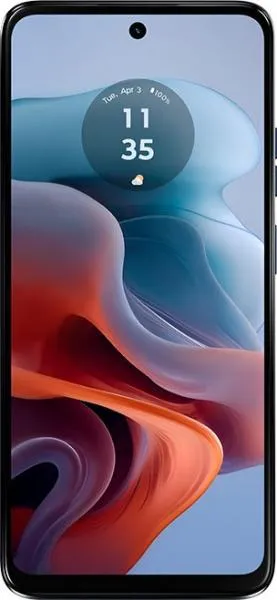
| Feature | Motorola Razr 40 | Motorola Moto G34 | Practical Impact |
|---|---|---|---|
| Design | |||
| Dimensions (mm) | 170.8 x 74 x 7.4 (folded) | 162.7 x 74.6 x 8 | Razr 40 significantly more compact when folded, pocketable; G34 traditional candybar design. |
| Weight (g) | 188.6 | 179 | Razr 40 slightly heavier despite smaller folded size. |
| Foldable | Yes | No | Razr 40 offers a larger screen in a smaller form factor when folded. |
| Display | |||
| Display Type | Foldable LTPO AMOLED | IPS LCD | Razr 40: Superior contrast, deeper blacks, power efficiency; G34: Wider viewing angles potentially. |
| Size (inches) | 6.9 | 6.5 | Razr 40 offers a larger main display for immersive content consumption. |
| Resolution | 1080 x 2640 | 720 x 1600 | Razr 40: Sharper, more detailed visuals; G34: Noticeably less sharp, pixelation possible. |
| Refresh Rate (Hz) | 144 | 120 | Razr 40: Smoother animations and scrolling; both offer high refresh rates for fluid experience. |
| Performance | |||
| Chipset | Snapdragon 7 Gen 1 | Snapdragon 695 5G | Razr 40: More powerful CPU and GPU, better for demanding tasks and gaming. |
| CPU | Octa-core (1x2.4 GHz Cortex-A710 & 3x2.36 GHz Cortex-A710 & 4x1.8 GHz Cortex-A510) | Octa-core (2x2.2 GHz Kryo 660 Gold & 6x1.7 GHz Kryo 660 Silver) | Razr 40: Faster processing speeds, better multi-tasking. |
| RAM (GB) | 8 | 4/8 | Razr 40: More RAM ensures smoother multitasking, less app reloading. G34 4GB variant may struggle with heavy usage. |
| Camera | |||
| Main Camera (MP) | 64 | 50 | Razr 40: Potentially better low-light performance due to wider aperture (f/1.8 vs f/1.8 on G34 - no clear advantage here); higher resolution. |
| Ultrawide/Macro (MP) | 13 | 2 | Razr 40: Wider field of view for group photos and landscapes; G34's 2MP macro is practically useless. |
| Video Recording | 4K@30fps | 1080p@30fps | Razr 40: Higher resolution video recording. |
| Battery | |||
| Capacity (mAh) | 4200 | 5000 | G34: Significantly larger battery capacity likely resulting in longer battery life. Razr 40's foldable design and higher refresh rate display might consume more power. |
2. Key Differences Analysis
Motorola Razr 40 Advantages:
- Form Factor: The foldable design is the key differentiator. It offers a large screen in a compact, pocketable device when folded.
- Superior Display: The AMOLED panel delivers vibrant colors, deeper blacks, and better power efficiency compared to the G34's LCD.
- Performance: The Snapdragon 7 Gen 1 significantly outperforms the Snapdragon 695, providing a smoother and faster user experience.
Motorola Moto G34 Advantages:
- Battery Life: The larger 5000mAh battery will likely provide significantly longer usage time between charges.
- Price: The Moto G34 is considerably cheaper, offering good value for its features.
Trade-offs:
- Razr 40: Premium features (foldable design, better display, performance) come at a higher price and potentially shorter battery life.
- G34: Lower price means compromising on design, display quality, and performance.
3. User Profiles & Recommendations
Motorola Razr 40: Ideal for users who prioritize portability and a large screen, value a premium design and cutting-edge technology, and are willing to pay a premium. Use cases: Content consumption, social media, light gaming, multitasking on the go.
Motorola Moto G34: Suitable for budget-conscious users who prioritize battery life and basic smartphone functionality. Use cases: Calling, texting, web browsing, casual social media usage.
4. Decision Framework
Key Questions for Buyers:
- Budget: How much are you willing to spend?
- Form Factor: Do you prioritize portability and a foldable design or a traditional smartphone?
- Performance Needs: Do you need a powerful phone for demanding tasks or is basic functionality sufficient?
Scenario-Based Recommendations:
- Limited Budget, Basic Needs: Moto G34
- Value Portability and Innovation: Razr 40
- Heavy User, Gamer: Razr 40 (but consider battery life implications)
My Choice: Motorola Razr 40
While the battery life of the G34 is tempting, I would choose the Motorola Razr 40. The foldable form factor is a game-changer for portability, and the superior display and performance are significant upgrades that enhance the overall user experience. I am willing to compromise slightly on battery life and pay a premium for the innovative design and superior technology. The Razr 40 better fits my usage, which involves a lot of on-the-go content consumption and multitasking. The compact size when folded is a huge benefit for me.
