1. Specifications Comparison
| Feature | Motorola Razr 40 | Motorola Moto G24 Power | Practical Impact |
|---|---|---|---|
| Design | |||
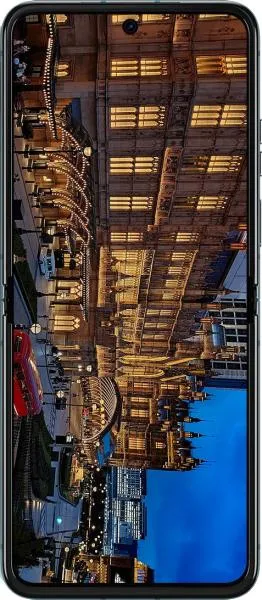
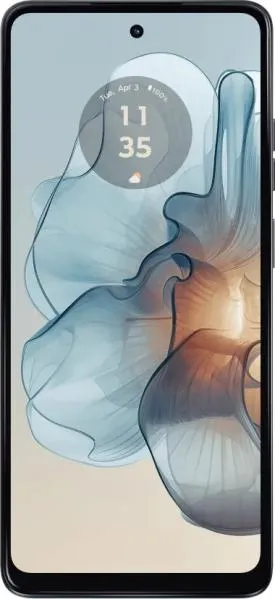
| Dimensions (mm) | 170.8 x 74 x 7.4 | 163.5 x 74.5 x 9 | Razr 40 significantly more compact when folded, but thicker when unfolded. G24 Power is a traditional candybar design. |
| Weight (g) | 188.6 | 197 | Razr 40 slightly lighter despite foldable design. |
| Foldable | Yes | No | Razr 40 offers portability advantage due to its folding capability. G24 Power is larger but more familiar to use. |
| Display | |||
| Display Type | Foldable LTPO AMOLED | IPS LCD | Razr 40 delivers vibrant colors, deeper blacks, and better power efficiency. G24 Power's LCD is less impressive visually. |
| Size (inches) | 6.9 | 6.56 | Comparable screen real estate when unfolded, but Razr 40 offers a larger display due to minimal bezels. |
| Resolution | 1080 x 2640 | 720 x 1612 | Razr 40 has a much sharper display (413 ppi vs 269 ppi), resulting in clearer text and images. |
| Refresh Rate (Hz) | 144 | 90 | Razr 40 provides smoother animations and scrolling. |
| Performance | |||
| Chipset | Snapdragon 7 Gen 1 (4 nm) | Helio G85 (12 nm) | Razr 40 offers significantly better performance in demanding tasks and gaming. |
| CPU | Octa-core (1x2.4 GHz Cortex-A710 & 3x2.36 GHz Cortex-A710 & 4x1.8 GHz Cortex-A510) | Octa-core (2x2.0 GHz Cortex-A75 & 6x1.7 GHz Cortex-A55) | Razr 40's CPU architecture is more modern and efficient. |
| GPU | Adreno 644 | Mali-G52 MC2 | Razr 40 has a more powerful GPU, leading to better gaming and graphics performance. |
| RAM (GB) | 8 | 8 | Both phones have the same amount of RAM, but the Razr 40 will utilize it more efficiently due to its superior processor. |
| Camera | |||
| Main Camera (MP) | 64 | 50 | Razr 40 boasts a higher resolution main sensor. Image quality comparison requires real-world testing, as megapixels alone aren't conclusive. |
| Additional Cameras | 13MP Wide Angle + Macro, 32MP Selfie | 2MP Wide Angle, 2MP Macro, 8MP Selfie | Razr 40's secondary and selfie cameras have higher resolution, potentially offering better quality. |
| Video Recording | 4K@30fps with EIS | 1080p@30fps | Razr 40 can record higher resolution videos with electronic image stabilization. |
| Battery | |||
| Capacity (mAh) | 4200 | 6000 | G24 Power has significantly larger battery capacity, potentially lasting much longer on a single charge. Razr 40's smaller battery is likely due to space constraints of the foldable design. |
2. Key Differences Analysis
Motorola Razr 40 Advantages:
- Portability: Foldable design significantly reduces size when pocketed.
- Superior Display: Sharper, smoother, and more vibrant AMOLED display.
- Higher Performance: Significantly faster processor and GPU for demanding tasks and gaming.
- Potentially Better Cameras: Higher resolution sensors on main, secondary, and selfie cameras.
Motorola Moto G24 Power Advantages:
- Longer Battery Life: Much larger battery capacity for extended usage.
- Lower Price: Positioned in a lower price bracket, offering better value for budget-conscious users.
- Familiar Form Factor: Traditional candybar design preferred by some users.
Trade-offs:
- Razr 40 sacrifices battery life for portability and performance.
- G24 Power compromises performance and display quality for affordability and battery life.
3. User Profiles & Recommendations
Motorola Razr 40: Ideal for users who prioritize portability, style, and a premium multimedia experience. Suitable for those who value a compact phone without compromising performance. Best for professionals, content creators, and trendsetters.
Motorola Moto G24 Power: Best suited for budget-conscious users who prioritize long battery life above all else. Ideal for students, casual users, and those who need a reliable phone for basic tasks without frequent charging.
4. Decision Framework
Key Questions for Buyers:
- Is portability a top priority? If yes, the Razr 40's foldable design is a major advantage.
- What is your budget? The G24 Power offers excellent value for its price.
- What are your primary use cases? Demanding tasks and multimedia consumption favor the Razr 40, while basic usage and long battery life favor the G24 Power.
My Choice: Motorola Razr 40
While the Moto G24 Power offers incredible battery life at an attractive price, I would choose the Motorola Razr 40. The foldable design is a game-changer for portability, and I highly value the superior display, performance, and camera capabilities. I'm willing to compromise slightly on battery life (and cost) for the significant advantages the Razr 40 offers in terms of user experience and overall quality. The Snapdragon 7 Gen 1, combined with the 144Hz AMOLED display, promises a fluid and enjoyable experience that the G24 Power simply can't match. While the G24 Power is a solid budget option, the Razr 40 aligns better with my needs and preferences for a powerful and portable device.
