1. Specifications Comparison
| Feature | Motorola Razr 40 | Motorola Moto G24 | Practical Impact |
|---|---|---|---|
| Design | |||
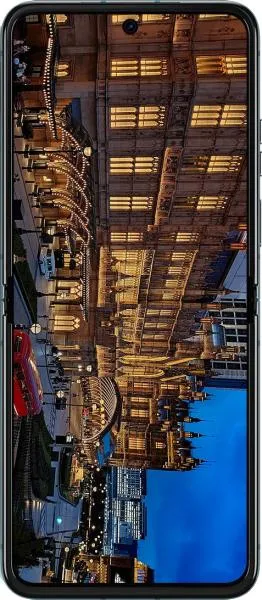
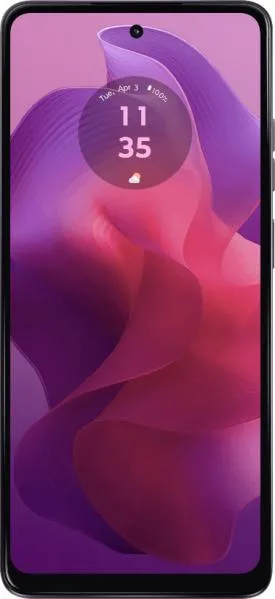
| Form Factor | Foldable | Standard | Razr 40 offers portability and a smaller footprint when closed. G24 is a traditional slab design. |
| Dimensions (HxWxD, mm) | 170.8 x 74 x 7.4 | 163.5 x 74.5 x 8 | Razr 40 is significantly thinner and more compact when folded. |
| Weight (g) | 188.6 | 181 | Razr 40 is slightly heavier despite being foldable. |
| Display | |||
| Display Type | Foldable LTPO AMOLED | IPS LCD | Razr 40's AMOLED offers richer colors, deeper blacks, and better power efficiency. The LTPO technology allows for dynamic refresh rate adjustment, further saving battery. G24's IPS LCD is less vibrant but adequate for general use. |
| Size (inches) | 6.9 | 6.56 | Razr 40 provides a larger screen for immersive content consumption. |
| Resolution (pixels) | 1080 x 2640 | 720 x 1612 | Razr 40 has a significantly sharper display (413 ppi vs 269 ppi), resulting in clearer text and images. |
| Refresh Rate (Hz) | 144 | 90 | Razr 40 offers smoother animations and scrolling. |
| Performance | |||
| Chipset | Snapdragon 7 Gen 1 (4nm) | Helio G85 (12nm) | Razr 40 boasts a more powerful and efficient processor, leading to better performance in demanding tasks and gaming. |
| CPU | Octa-core (1x2.4 GHz Cortex-A710 & 3x2.36 GHz Cortex-A710 & 4x1.8 GHz Cortex-A510) | Octa-core (2x2.0 GHz Cortex-A75 & 6x1.7 GHz Cortex-A55) | Razr 40's CPU architecture is newer and more performant. |
| GPU | Adreno 644 | Mali-G52 MC2 | Razr 40 offers superior graphics performance for gaming and visually intensive applications. |
| RAM (GB) | 8 | 4/8 (depending on version) | The table provided only indicated 4GB for the G24. More RAM enables better multitasking and smoother performance. 8GB is becoming the standard for mid-range and high-end phones. |
| Camera | |||
| Main Camera (MP) | 64 | 50 | Both offer adequate resolution for everyday photography. Image quality will depend more on sensor and processing software, which isn't fully detailed here. |
| Ultrawide (MP) | 13 | 8 | Razr 40's ultrawide likely offers better resolution and field of view. |
| Macro (MP) | N/A | 2 | G24 has a dedicated macro lens for close-up shots, though its low resolution may limit detail. |
| Selfie (MP) | 32 | 8 | Razr 40 has a much higher resolution selfie camera. |
| Battery | |||
| Capacity (mAh) | 4200 | 5000 | G24 has a larger battery capacity, potentially offering longer battery life. However, Razr 40's more efficient display and chipset could offset this difference. |
| Other | |||
| OS | Android 13 | Android 14 | G24 ships with a newer Android version out of the box. |
| Price Range | Medium | Low | G24 is significantly more affordable. |
2. Key Differences Analysis
Motorola Razr 40 Advantages:
- Premium Foldable Design: Offers portability and a unique form factor.
- Superior Display: Higher resolution, refresh rate, and AMOLED technology provide a significantly better visual experience.
- Stronger Performance: More powerful chipset and GPU enable smoother multitasking and gaming.
- Better Cameras: Higher resolution sensors, especially for selfies and ultrawide.
Motorola Moto G24 Advantages:
- Lower Price: Significantly more affordable.
- Larger Battery: Potentially longer battery life, though real-world usage will vary.
- Newer Android Version: Ships with Android 14.
3. User Profiles & Recommendations
Motorola Razr 40: Users who value portability, a unique design, and a premium multimedia experience. Ideal for those who prioritize a compact phone without sacrificing performance or display quality.
Motorola Moto G24: Budget-conscious users who prioritize affordability and long battery life. Suitable for basic tasks like calling, texting, browsing, and social media.
4. Decision Framework
Key Questions for Buyers:
- Budget: How much are you willing to spend?
- Form Factor: Do you prioritize portability and a unique design, or a traditional smartphone experience?
- Performance Needs: Do you require high performance for gaming, multitasking, or demanding applications?
Scenario-Based Recommendations:
- Limited Budget, Basic Needs: Moto G24
- Value Performance and Modern Features: Moto G24 (8GB Version if available)
- Prioritize Portability and Premium Experience: Razr 40
My Choice:
I would choose the Motorola Razr 40. While the Moto G24 offers excellent value for its price, the Razr 40's foldable design, superior display, and significantly better performance are compelling. The compact form factor appeals to me, and I prioritize a smooth and enjoyable user experience. I am willing to pay the premium for the innovative design and higher quality components. The slightly smaller battery capacity is a trade-off I'm willing to make for the overall benefits of the Razr 40.
