1. Specifications Comparison
| Feature | Motorola Razr 40 | Motorola Moto G14 | Practical Impact |
|---|---|---|---|
| Design | |||
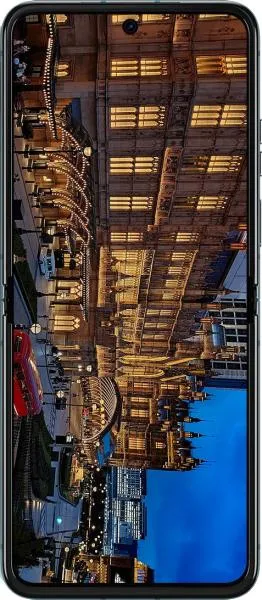
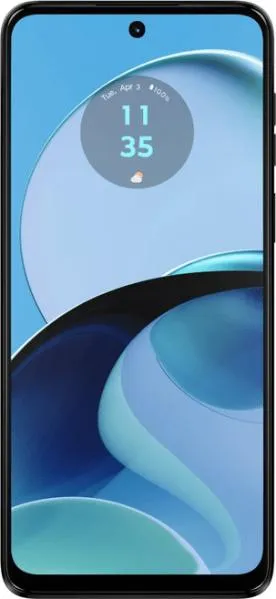
| Dimensions (mm) | 170.8 x 74 x 7.4 (folded) | 161.5 x 73.8 x 8 | Razr 40 significantly more compact when folded, easier pocketability. G14 is a standard candybar design. |
| Weight (g) | 188.6 | 177 | Razr 40 slightly heavier despite smaller folded size, likely due to hinge mechanism. |
| Foldable | Yes | No | Razr 40 offers a larger screen in a smaller form factor, G14 offers a traditional experience. |
| Display | |||
| Display Type | Foldable LTPO AMOLED | IPS LCD | Razr 40: superior contrast, deeper blacks, potential for battery savings due to LTPO (although spec sheet says it's not LTPO). G14: good color accuracy but less vibrant. |
| Size (inches) | 6.9 | 6.5 | Razr 40 noticeably larger screen real estate for media consumption and multitasking. |
| Resolution | 1080 x 2640 | 1080 x 2400 | Similar sharpness despite size difference due to comparable pixel density. |
| Refresh Rate | 144Hz | Unspecified | Razr 40: smoother animations, scrolling, and gaming experience. Unknown refresh rate on G14 limits assessment of smoothness. |
| Performance | |||
| Chipset | Snapdragon 7 Gen 1 | Unisoc Tiger T616 | Razr 40: significantly more powerful, better for demanding tasks, gaming, and multitasking. G14: adequate for everyday use but may struggle with heavy loads. |
| CPU | Octa-core (1x2.4 GHz Cortex-A710 & 3x2.36 GHz Cortex-A710 & 4x1.8 GHz Cortex-A510) | Octa-core (2x2.0 GHz Cortex-A75 & 6x1.8 GHz Cortex-A55) | Razr 40: faster and more efficient CPU architecture. |
| GPU | Adreno 644 | Mali-G57 MP1 | Razr 40: noticeably better gaming and graphics performance. |
| RAM | 8GB | 4GB | Razr 40: better multitasking, smoother performance with multiple apps. G14 may experience slowdowns with heavy multitasking. |
| Camera | |||
| Main Camera | 64MP | 50MP | Razr 40: potentially higher resolution photos. Image quality depends on sensor and processing, not just megapixels. |
| Ultrawide/Macro | 13MP Wide + Macro | 2MP Macro | Razr 40: More versatile with a usable ultrawide lens. G14's 2MP macro is likely of limited practical use. |
| Selfie Camera | 32MP | 8MP | Razr 40: Higher resolution selfies. |
| Battery | |||
| Capacity | 4200 mAh | 5000 mAh | G14: Longer battery life expected due to larger capacity and less demanding hardware. Razr 40's smaller battery needs to power a larger, high refresh rate display. |
2. Key Differences Analysis
Motorola Razr 40 Advantages:
- Form Factor: Significantly more compact when folded.
- Performance: Much more powerful processor, GPU, and more RAM.
- Display: Higher quality AMOLED with a faster refresh rate.
- More Versatile Camera System: Usable ultrawide lens.
Motorola Moto G14 Advantages:
- Battery Life: Larger battery capacity likely results in significantly longer usage time.
- Price: Considerably cheaper.
Trade-offs:
- Razr 40 sacrifices battery life for its compact foldable design and powerful performance.
- G14 compromises performance and display quality for a lower price point and longer battery life.
3. User Profiles & Recommendations
Motorola Razr 40: Users who prioritize portability, style, a large screen for media consumption on the go, and smooth performance, and are willing to compromise on battery life. Suitable for:
- Trendy users: Value a stylish and compact device.
- Professionals: Need a powerful device for productivity on the move.
- Content consumers: Enjoy watching videos and playing games on a large, high-quality display.
Motorola Moto G14: Budget-conscious users who prioritize long battery life and basic functionality over high performance or premium features. Suitable for:
- Students: Need a reliable phone for communication and basic tasks.
- Casual users: Primarily use their phone for calling, texting, and social media.
- Elderly users: Prefer a simple and easy-to-use device with long battery life.
4. Decision Framework
Key Questions for Buyers:
- What is your budget? The G14 is significantly cheaper.
- How important is portability and a large screen? The Razr 40 excels in this area.
- What are your performance needs? The Razr 40 offers significantly better performance for demanding tasks and gaming. The G14 is sufficient for basic usage.
Scenario-Based Recommendations:
- Limited budget, basic usage: Moto G14
- Prioritize style, portability, performance: Razr 40
- Heavy multitasker, gamer: Razr 40
- Longest possible battery life: Moto G14
My Choice: Motorola Razr 40
While the Moto G14 offers excellent value for its price, I would choose the Motorola Razr 40. The foldable design is incredibly appealing for its portability and the larger screen real estate is a major advantage for productivity and media consumption. The superior performance of the Snapdragon 7 Gen 1, coupled with the 144Hz display, promises a significantly smoother and more enjoyable user experience. I'm willing to accept the trade-off of potentially shorter battery life for the significant benefits in portability, performance, and display quality. The Razr 40 better fits my personal needs for a powerful, pocketable device that can handle demanding tasks and provide an immersive media experience. The price difference is significant, but the Razr 40 offers a compelling combination of features and innovation.
