1. Specifications Comparison
| Feature | Motorola Razr 40 | Motorola Moto G04s | Practical Impact |
|---|---|---|---|
| Design | |||
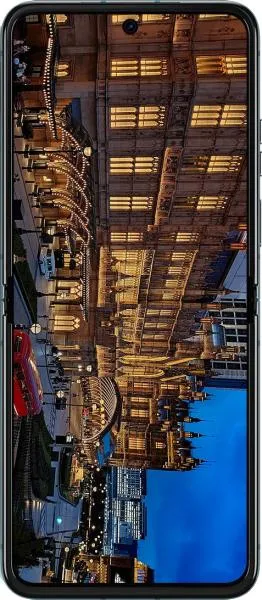
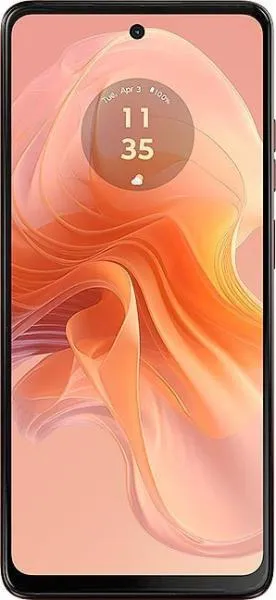
| Dimensions (mm) | 170.8 x 74 x 7.4 (folded) | 163.5 x 74.5 x 8 | Razr 40 significantly more compact when folded, easier for pocket carry; G04s larger for single-hand use when unfolded. |
| Weight (g) | 188.6 | 178.8 | Razr 40 slightly heavier despite smaller folded size, potentially due to hinge mechanism. |
| Foldable | Yes | No | Razr 40 offers a larger screen in a smaller form factor due to folding capability. G04s is a traditional slab phone. |
| Display | |||
| Display Type | Foldable LTPO AMOLED | IPS LCD | Razr 40 provides richer colors, deeper blacks, and potentially better power efficiency with AMOLED and LTPO; G04s uses standard LCD technology. |
| Size (inches) | 6.9 | 6.56 | Razr 40 boasts a larger main display for immersive content consumption. |
| Resolution | 1080 x 2640 | 720 x 1612 | Razr 40 has a much sharper display (413 ppi vs 269 ppi), resulting in crisper text and images. |
| Refresh Rate (Hz) | 144 | 90 | Razr 40 offers smoother scrolling and animations due to the higher refresh rate. |
| Performance | |||
| Chipset | Snapdragon 7 Gen 1 (4nm) | Unisoc T606 (12nm) | Razr 40 significantly more powerful, enabling faster app loading, smoother multitasking, and better gaming performance. |
| CPU | Octa-core (1x2.4 GHz A710 & 3x2.36 GHz A710 & 4x1.8 GHz A510) | Octa-core (2x1.6 GHz A75 & 6x1.6 GHz A55) | Razr 40's CPU architecture and higher clock speeds provide a substantial performance advantage. |
| RAM (GB) | 8 | 4 | Razr 40 allows for more apps to run in the background and smoother multitasking. |
| Camera | |||
| Main Camera (MP) | 64 | 50 | Megapixel count doesn't tell the whole story, but Razr 40 likely offers better image quality due to a superior sensor and processing capabilities of the Snapdragon chip. |
| Selfie Camera (MP) | 32 | 5 | Razr 40 has a much higher resolution selfie camera. |
| Video Recording | 4K@30fps | 1080p@30fps | Razr 40 can record higher resolution video. |
| Battery | |||
| Capacity (mAh) | 4200 | 5000 | G04s has a larger battery capacity, potentially offering longer battery life. However, Razr 40's LTPO display and more efficient chipset could mitigate this difference. |
2. Key Differences Analysis
Motorola Razr 40 Advantages:
- Form Factor: Foldable design offers a large screen in a pocketable size.
- Performance: Significantly faster and more powerful due to the Snapdragon 7 Gen 1 chip.
- Display: Superior AMOLED display with higher resolution, refresh rate, and brighter peak brightness.
Motorola Moto G04s Advantages:
- Battery Life: Larger battery capacity suggests potentially longer usage time.
- Price: Likely significantly cheaper given the lower-end specifications.
Trade-offs:
- Razr 40 sacrifices battery capacity for its compact foldable design.
- G04s compromises performance and display quality for affordability.
3. User Profiles & Recommendations
Motorola Razr 40: Ideal for users who prioritize portability and a large, high-quality display. Suitable for those who consume a lot of media, multitask heavily, and value a premium design. Early adopters of technology who appreciate the novelty of foldable phones.
Motorola Moto G04s: Best suited for budget-conscious users who prioritize basic functionality and long battery life. Ideal for calling, texting, web browsing, and light media consumption.
4. Decision Framework
Key Questions for Buyers:
- Budget: How much are you willing to spend?
- Priorities: What features are most important to you (portability, performance, battery life, display quality)?
- Usage: How do you plan to use your phone (heavy multitasking, gaming, media consumption, basic communication)?
Scenario-Based Recommendations:
- Limited Budget, Basic Needs: Moto G04s
- Prioritize Performance and Premium Experience: Razr 40
- Value Portability and Large Screen: Razr 40
My Choice: Motorola Razr 40
While the Moto G04s offers impressive battery life for its price, the Razr 40's superior performance, stunning display, and innovative foldable design are far more compelling to me. The Snapdragon 7 Gen 1 provides a significantly better user experience with smoother multitasking, faster app loading, and better gaming capabilities. The higher resolution and refresh rate of the Razr 40's display greatly enhance media consumption and overall usability. I am willing to accept the trade-off of slightly lower battery capacity for the significant gains in performance, portability, and display quality. The foldable form factor is a game-changer for portability without sacrificing screen real estate, a key factor in my decision. Ultimately, the Razr 40 offers a more future-proof and enjoyable user experience.
