1. Specifications Comparison
| Feature | Motorola Razr 40 | Motorola Moto G Stylus 5G (2024) | Practical Impact |
|---|---|---|---|
| Design | |||
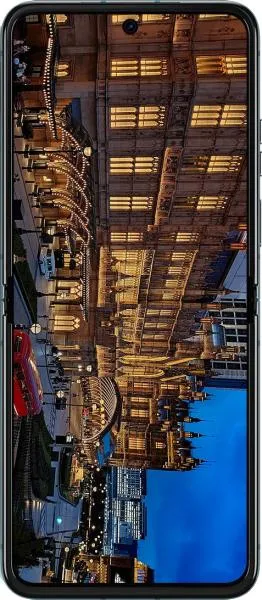
| Dimensions (mm) | 170.8 x 74 x 7.4 (folded) | 162.6 x 74.8 x 8.3 | Razr 40 significantly more compact when folded, easier pocketability; Stylus 5G larger for single-hand use. |
| Weight (g) | 188.6 | 190 | Negligible weight difference. |
| Foldable | Yes | No | Razr 40 offers a compact folded size; Stylus 5G offers a traditional candybar form factor. |
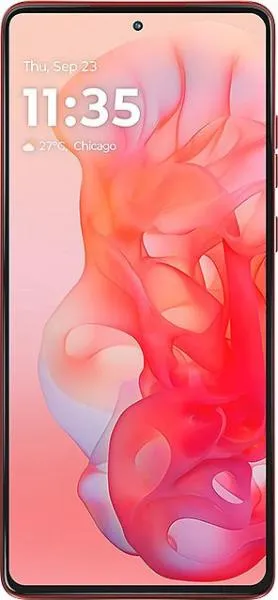
| Stylus | No | Yes | Stylus 5G enables precise note-taking, drawing, and navigation. |
| Display | |||
| Size (inches) | 6.9 | 6.7 | Razr 40 slightly larger screen real estate when unfolded. |
| Resolution | 1080 x 2640 | 1080 x 2400 | Similar pixel density, sharpness; Razr 40 taller aspect ratio. |
| Refresh Rate (Hz) | 144 | 120 | Razr 40 smoother scrolling and animations, especially noticeable in gaming. |
| Panel Type | Foldable LTPO AMOLED | P-OLED | Both offer vibrant colors and deep blacks; Razr 40's LTPO may offer better power efficiency (unclear if actually LTPO). |
| Peak Brightness (nits) | 1400 | 1200 | Razr 40 better outdoor visibility. |
| Performance | |||
| Chipset | Snapdragon 7 Gen 1 | Snapdragon 6 Gen 1 | Razr 40 offers better overall performance, especially in demanding tasks. |
| CPU | Octa-core (1x2.4 GHz Cortex-A710 & 3x2.36 GHz Cortex-A710 & 4x1.8 GHz Cortex-A510) | Octa-core (4x2.2 GHz Cortex-A78 & 4x1.8 GHz Cortex-A55) | Razr 40 more powerful CPU architecture, faster processing speeds. |
| GPU | Adreno 644 | Adreno 710 | While Adreno 710 is newer, the 7 Gen 1 generally provides better gaming performance due to the overall SoC. |
| RAM (GB) | 8 | 8 | Same RAM capacity, comparable multitasking capabilities. |
| Camera | |||
| Main Camera (MP) | 64 | 50 | Razr 40 higher resolution main sensor, potentially better detail in photos (dependent on sensor quality which is unknown). |
| Ultrawide (MP) | 13 | 13 | Similar ultrawide capabilities. |
| Selfie (MP) | 32 | 32 | Similar selfie camera resolution. |
| Battery | |||
| Capacity (mAh) | 4200 | 5000 | Stylus 5G significantly larger battery capacity, likely longer battery life. |
2. Key Differences Analysis
Motorola Razr 40 Advantages:
- Portability: Foldable design offers unmatched portability.
- Performance: More powerful chipset and CPU for smoother overall experience.
- Display: Higher refresh rate and peak brightness for superior visuals.
Motorola Moto G Stylus 5G (2024) Advantages:
- Battery Life: Larger battery capacity for extended usage.
- Stylus: Integrated stylus for note-taking and drawing.
- Value: Potentially lower price for similar storage configuration. (Based on limited price data)
Trade-offs:
- Razr 40 sacrifices battery life for portability and performance.
- Stylus 5G compromises performance and premium features for longer battery life and stylus functionality.
3. User Profiles & Recommendations
Motorola Razr 40: Ideal for users who prioritize portability and style, value a compact phone for easy one-handed use and pocket storage, and require good performance for everyday tasks and light gaming. Use cases: Frequent travelers, social media enthusiasts, content consumers.
Motorola Moto G Stylus 5G (2024): Ideal for users who prioritize battery life, require a stylus for note-taking or creative work, and are on a budget. Use cases: Students, artists, professionals who need to take notes or annotate documents, heavy media consumers.
4. Decision Framework
Key Questions for Buyers:
- How important is portability? A foldable phone offers unmatched compactness.
- Do you need a stylus for note-taking or drawing? The Stylus 5G offers this unique functionality.
- What is your budget and how important is battery life? The Stylus 5G likely offers better battery life at a potentially lower price.
Scenario-Based Recommendations:
- Frequent Traveler: Razr 40 for its compact size.
- Student on a Budget: Stylus 5G for its stylus, battery life, and affordability.
- Power User: Razr 40 for its superior performance.
My Choice: Motorola Razr 40
While the Stylus 5G offers compelling features like the built-in stylus and larger battery, I would choose the Motorola Razr 40. The compact foldable design is a game-changer for portability, making it incredibly convenient to carry. The superior performance of the Snapdragon 7 Gen 1, combined with the smoother 144Hz display, would provide a more enjoyable overall user experience for my needs. I prioritize portability and a smooth, responsive phone experience over slightly longer battery life and the stylus functionality. I am also willing to accept the higher price for the premium foldable design and performance benefits. The trade-off in battery life is acceptable considering the significant gains in portability.
