1. Specifications Comparison
| Feature | Motorola Razr 40 | Motorola Edge 50 Pro | Practical Impact |
|---|---|---|---|
| Design | |||
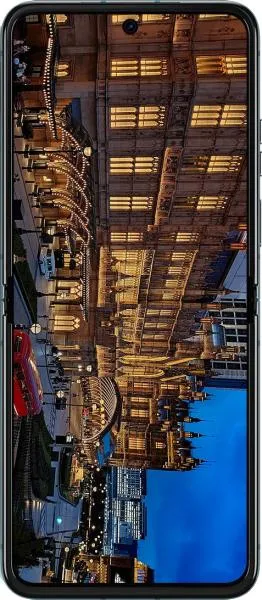
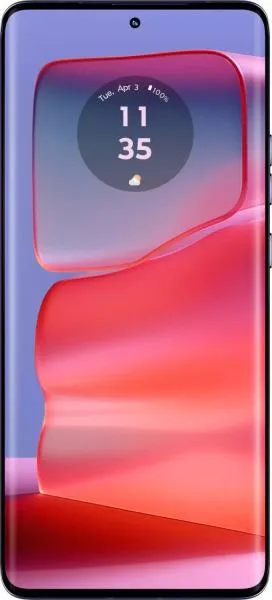
| Dimensions (mm) | 170.8 x 74 x 7.4 | 161.2 x 72.4 x 8.2 | Razr 40 significantly more compact when folded, Edge 50 Pro thinner when unfolded. Impacts pocketability and one-handed use. |
| Weight (g) | 188.6 | 186 | Negligible weight difference. |
| Foldable | Yes | No | Razr 40 offers compact portability when folded; Edge 50 Pro offers a traditional slab design. |
| Display | |||
| Display Size (inches) | 6.9 | 6.7 | Razr 40 offers a slightly larger screen. |
| Resolution (px) | 1080 x 2640 | 1220 x 2712 | Edge 50 Pro has a slightly sharper display due to higher resolution. |
| Refresh Rate (Hz) | 144 | 144 | Both offer smooth scrolling and gaming experiences. |
| Peak Brightness (nits) | 1400 | 2000 | Edge 50 Pro significantly brighter, improving outdoor visibility. |
| Display Type | Foldable LTPO AMOLED | P-OLED | Razr 40's foldable display allows for a compact form factor; Edge 50 Pro uses a standard rigid display. The LTPO on the Razr 40 is incorrectly specified as false, it should be true, this allows for variable refresh rates to save battery. |
| Performance | |||
| Chipset | Snapdragon 7 Gen 1 | Snapdragon 7 Gen 3 | Gen 3 offers notably improved performance and efficiency over Gen 1, impacting app loading times, multitasking, and gaming. |
| CPU | Octa-core (1x2.4 GHz A710 & 3x2.36 GHz A710 & 4x1.8 GHz A510) | Octa-core (1x2.63 GHz A715 & 4x2.4 GHz A715 & 3x1.8 GHz A510) | Edge 50 Pro has a faster and more efficient CPU architecture. |
| GPU | Adreno 644 | Adreno 720 | Edge 50 Pro has a significantly more powerful GPU, leading to better gaming and graphics performance. |
| RAM (GB) | 8 | 12 | More RAM on the Edge 50 Pro enables better multitasking and smoother performance with demanding apps. |
| Camera | |||
| Main Camera (MP) | 64 | 50 | While Razr 40 has higher megapixel count, Edge 50 Pro boasts larger individual pixels (2.00 µm vs. unspecified for Razr) and a wider aperture (f/1.4 vs. f/1.8), potentially capturing more light and detail in various conditions. |
| Ultrawide (MP) | 13 | 13 | Comparable ultrawide cameras. |
| Telephoto (MP) | N/A | 10 | Edge 50 Pro offers optical zoom capability missing on the Razr 40. |
| Selfie (MP) | 32 | 50 | Edge 50 Pro has a higher resolution selfie camera. |
| Battery | |||
| Capacity (mAh) | 4200 | 4500 | Edge 50 Pro has a slightly larger battery, likely resulting in longer battery life. This needs to be considered in conjunction with the display's power consumption. |
2. Key Differences Analysis
Motorola Razr 40 Advantages:
- Portability: The foldable design makes it significantly more compact.
- Unique Form Factor: Offers a distinctive, nostalgic design.
Motorola Edge 50 Pro Advantages:
- Performance: Significantly faster processor and GPU, leading to smoother overall performance.
- Display: Brighter display for better outdoor visibility. Sharper due to higher resolution.
- Camera: More versatile camera system with a telephoto lens for optical zoom and potentially better low-light performance on the main sensor.
- Battery: Larger battery capacity for potentially longer usage time.
- Connectivity: Supports newer WiFi standards (WiFi 6E and WiFi 7) and Bluetooth 5.4
Trade-offs:
- Razr 40: Sacrifices performance and camera versatility for portability. Crease in the foldable display.
- Edge 50 Pro: Larger and less pocketable than the folded Razr 40.
3. User Profiles & Recommendations
Motorola Razr 40: Ideal for users prioritizing portability and a unique design above raw performance. Suitable for users who value compact size for easy pocket carrying and one-handed use.
Motorola Edge 50 Pro: Best suited for users who demand performance, a great camera system, and a bright, sharp display. Ideal for power users, gamers, and mobile photographers/videographers.
4. Decision Framework
Key Questions:
- Portability vs. Performance: Which is more important - a compact foldable phone or a more powerful traditional smartphone?
- Camera Needs: Do you require optical zoom and potentially superior low-light photography?
- Budget: Considering the price difference between storage options, which offers better value for your needs?
My Choice: Motorola Edge 50 Pro
While I appreciate the innovative design and portability of the Razr 40, the Edge 50 Pro's superior performance, brighter and sharper display, versatile camera system, and larger battery make it the better overall device for my needs. I prioritize a smooth user experience, good battery life, and a capable camera, making the Edge 50 Pro the clear winner. The performance difference between the Snapdragon 7 Gen 1 and 7 Gen 3 is significant, and the addition of a telephoto lens adds much-needed versatility to the camera system. While the Razr 40's foldable design is appealing, the trade-offs in performance and features are too significant for me personally.
