1. Specifications Comparison
| Feature | Motorola Razr 40 | Motorola Edge 50 Fusion | Practical Impact |
|---|---|---|---|
| Design | |||
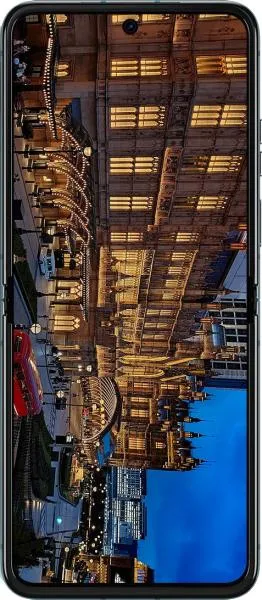
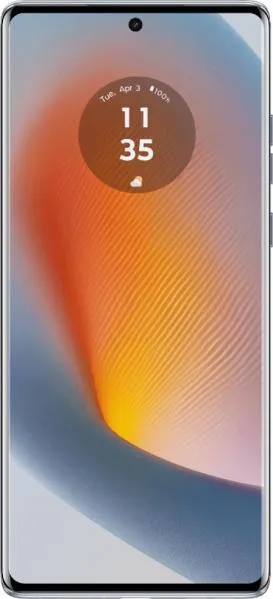
| Form Factor | Foldable | Slab | Razr 40 offers portability and a unique form factor, Edge 50 Fusion is a traditional smartphone design. |
| Dimensions (mm) | 170.8 x 74 x 7.4 | 161.9 x 73.1 x 7.9 | Razr 40 is significantly more compact when folded, but thicker when unfolded. Edge 50 Fusion is thinner overall but larger in hand. |
| Weight (g) | 188.6 | 174.9 | Razr 40 is slightly heavier despite its smaller folded size. |
| Display | |||
| Display Type | Foldable LTPO AMOLED | P-OLED | Razr 40's foldable display allows for a large screen in a compact device, but may have a crease. Edge 50 Fusion offers a standard, potentially more durable display. |
| Size (inches) | 6.9 | 6.7 | Negligible difference in screen real estate. |
| Resolution | 1080 x 2640 | 1080 x 2400 | Similar pixel density, resulting in comparable sharpness. Razr 40's taller aspect ratio is better for scrolling, Edge 50 Fusion's is more cinematic. |
| Refresh Rate (Hz) | 144 | 120/144 (Region Dependent) | Both offer high refresh rates for smooth scrolling and gaming, though the Razr 40 has a consistently higher rate. |
| Peak Brightness (nits) | 1400 | 1600 | Edge 50 Fusion offers better outdoor visibility. |
| Performance | |||
| Chipset | Snapdragon 7 Gen 1 | Snapdragon 7s Gen 2 | 7s Gen 2 is slightly newer and offers a performance boost over the 7 Gen 1. |
| CPU | Octa-core (1x2.4 GHz Cortex-A710 & 3x2.36 GHz Cortex-A710 & 4x1.8 GHz Cortex-A510) | Octa-core (4x2.4 GHz Cortex-A78 & 4x1.95 GHz Cortex-A55) | Edge 50 Fusion's CPU architecture is generally more efficient and powerful. |
| GPU | Adreno 644 | Adreno 710 | Edge 50 Fusion's GPU should provide smoother gaming and graphics performance. |
| RAM (GB) | 8 | 8 | Both offer ample RAM for multitasking. |
| Camera | |||
| Main Camera (MP) | 64 | 50 | Razr 40 has a higher resolution sensor. Image quality depends on factors beyond resolution, and details on sensor size and other features are lacking for comparison. |
| Ultrawide (MP) | 13 | 13 | Similar ultrawide resolution. Practical difference depends on lens quality and software processing, which cannot be fully assessed with the provided data. |
| Selfie (MP) | 32 | 32 | Same resolution; real-world performance relies on sensor and software quality, which cannot be compared with available information. |
| Battery | |||
| Capacity (mAh) | 4200 | 5000 | Edge 50 Fusion offers significantly longer battery life. |
2. Key Differences Analysis
Motorola Razr 40 Advantages:
- Portability: The foldable design offers unmatched portability.
- Unique Form Factor: The clamshell design evokes nostalgia and offers a unique user experience.
- Higher Main Camera Resolution: Potentially better detail in photos, though sensor quality information is lacking.
- Consistently High Refresh Rate: Smoother visuals across all regions.
Motorola Edge 50 Fusion Advantages:
- Performance: The newer Snapdragon 7s Gen 2 chipset and more powerful GPU deliver better performance for gaming and demanding tasks.
- Battery Life: The larger 5000mAh battery provides significantly longer usage time.
- Brighter Display: Enhanced outdoor visibility.
- More Affordable: Generally available at a lower price point than the Razr 40.
Trade-offs:
- Razr 40: sacrifices battery life and raw performance for portability and unique design. The foldable display may be less durable than a traditional glass display.
- Edge 50 Fusion: Lacks the portability and novelty of a foldable phone.
3. User Profiles & Recommendations
Motorola Razr 40: Ideal for users who prioritize portability and a unique, compact design above all else. Suitable for users who value having a large screen that easily fits in a pocket or small bag.
Motorola Edge 50 Fusion: Best suited for users who prioritize performance, battery life, and a traditional smartphone experience. A good choice for gamers, power users, and those who need a phone that lasts all day.
4. Decision Framework
Key Questions:
- How important is portability? If ultimate portability is paramount, the Razr 40 is the clear winner.
- What is your budget? The Edge 50 Fusion generally offers better value in terms of performance and features for the price.
- What are your primary use cases? For gaming, demanding tasks, and all-day battery life, the Edge 50 Fusion is superior. For social media, casual use, and portability, the Razr 40 is a compelling option.
My Choice: Motorola Edge 50 Fusion
While the Razr 40's foldable design is intriguing, the Edge 50 Fusion offers a more well-rounded package for my needs. The superior performance, significantly longer battery life, and brighter display are more important to me than ultimate portability. The price difference further solidifies the Edge 50 Fusion as the better value proposition. I prioritize a smooth user experience for everyday tasks and occasional gaming, and the Edge 50 Fusion's hardware is better equipped for this. While I appreciate the Razr 40's innovative design, the practical benefits of the Edge 50 Fusion outweigh the novelty factor for me.
