
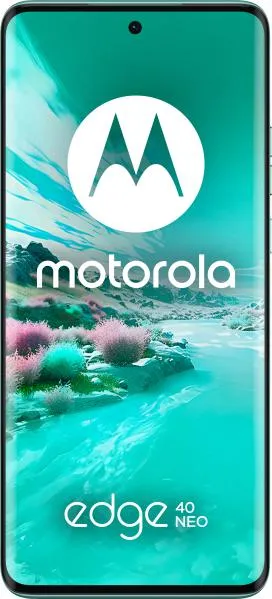
1. Specifications Comparison
| Feature | Motorola Razr 40 | Motorola Edge 40 Neo | Practical Impact |
|---|---|---|---|
| Design | |||
| Form Factor | Foldable | Slab | Razr 40 offers portability and a unique form factor; Edge 40 Neo is more traditional. |
| Dimensions (mm) | 170.8 x 74 x 7.4 (folded) | 159.6 x 72 x 7.9 | Razr 40 is significantly smaller when folded, enhancing portability; Edge 40 Neo is thinner when unfolded. |
| Weight (g) | 188.6 | 170 | Razr 40 is slightly heavier despite its smaller folded size. |
| Display | |||
| Display Type | Foldable LTPO AMOLED | P-OLED | Razr 40's foldable display allows for a larger screen in a smaller device; Edge 40 Neo offers a standard, durable screen. |
| Size (inches) | 6.9 | 6.55 | Razr 40 provides more screen real estate for multitasking and media consumption. |
| Resolution | 1080 x 2640 | 1080 x 2400 | Both offer similar pixel density, resulting in sharp visuals. Razr 40's taller aspect ratio may be better for scrolling web pages. |
| Refresh Rate (Hz) | 144 | 144 | Both deliver smooth scrolling and animations. |
| Peak Brightness (nits) | 1400 | 1300 | Razr 40 offers slightly better visibility in direct sunlight. |
| Performance | |||
| Chipset | Snapdragon 7 Gen 1 | Dimensity 7030 | Both chipsets offer good mid-range performance, but Snapdragon 7 Gen 1 generally benchmarks slightly higher in GPU tasks. |
| CPU | Octa-core (1x2.4 GHz A710 & 3x2.36 GHz A710 & 4x1.8 GHz A510) | Octa-core (2x2.5 GHz A78 & 6x2.0 GHz A55) | Edge 40 Neo's CPU configuration might offer slightly better performance in some multi-core workloads due to the faster Cortex-A78 cores. Real-world difference might be minimal. |
| RAM (GB) | 8 | 12 | Edge 40 Neo offers more RAM, potentially improving multitasking and app switching performance. |
| Camera | |||
| Main Camera (MP) | 64 | 50 | Razr 40 has a higher resolution main sensor; Edge 40 Neo utilizes a larger sensor with pixel binning, potentially improving low-light performance. |
| Video Recording | 4K@30fps | 4K@30fps, 1080p@240fps | Edge 40 Neo supports higher frame rate slow-motion video recording. |
| Battery | |||
| Capacity (mAh) | 4200 | 5000 | Edge 40 Neo has a significantly larger battery capacity, likely translating to longer battery life. |
2. Key Differences Analysis
Motorola Razr 40 Advantages:
- Portability: The foldable design makes it incredibly compact when folded.
- Larger Display: Offers a bigger screen for immersive experiences.
- Unique Form Factor: Stands out from traditional slab phones.
Motorola Edge 40 Neo Advantages:
- Longer Battery Life: Larger battery capacity should provide significantly more usage time.
- More RAM: Improved multitasking and smoother performance with demanding applications.
- Higher Slow-Motion Video Capture: Captures smoother slow-motion footage.
- Slightly Lower Price: Generally more affordable than the Razr 40.
Trade-offs:
- Razr 40: Sacrifices battery life and some performance for its foldable design.
- Edge 40 Neo: Lacks the unique portability and larger screen of a foldable phone.
3. User Profiles & Recommendations
Motorola Razr 40: Ideal for users who prioritize portability and a unique design, and are willing to compromise on battery life. Best for those who value having a large screen in a compact device for media consumption and multitasking on the go.
Motorola Edge 40 Neo: Suitable for users who prioritize battery life, performance, and value. Best for those who are heavy smartphone users, gamers, or content creators who need a reliable device with long-lasting battery and sufficient power.
4. Decision Framework
Key Questions:
- How important is portability? If ultimate pocketability is paramount, the Razr 40 is the clear winner.
- How much do you value a large screen? If a larger display for media consumption and productivity is crucial, the Razr 40's 6.9-inch screen is more compelling.
- What's your budget and battery life requirement? The Edge 40 Neo offers a longer-lasting battery and a lower price point, making it a more practical choice for budget-conscious users or those who heavily use their phones.
My Choice: Motorola Edge 40 Neo
While the Razr 40's foldable design is intriguing, the Edge 40 Neo better suits my needs. I prioritize battery life and a smooth user experience, which the larger battery and 12GB RAM of the Edge 40 Neo deliver. The slightly lower price is also a factor. Although I appreciate the Razr 40's innovative form factor, the trade-offs in battery life and price are not worth it for me personally. The Edge 40 Neo offers a solid overall package with excellent value.
