1. Specifications Comparison
| Feature | Motorola Razr 40 | Huawei Pura 70 Ultra | Practical Impact |
|---|---|---|---|
| Design | |||
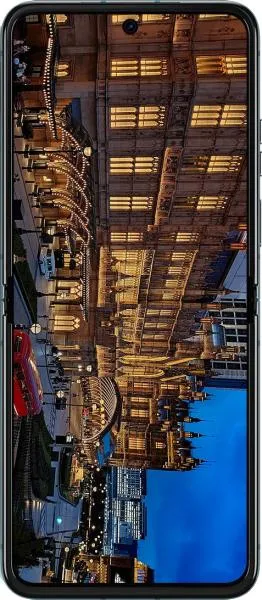
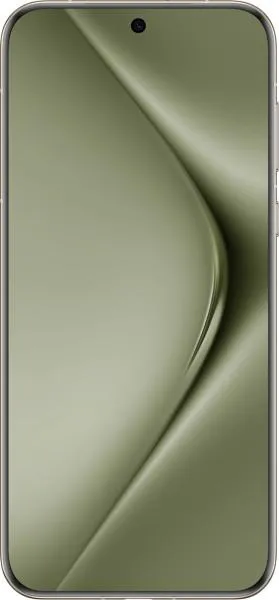
| Dimensions (mm) | 170.8 x 74 x 7.4 | 162.6 x 75.1 x 8.4 | Razr 40 is significantly more compact when folded, but slightly taller unfolded due to its clamshell design. Pura 70 Ultra is a traditional slab phone. |
| Weight (g) | 188.6 | 226 | Razr 40 is noticeably lighter and more pocketable. |
| Foldable | Yes | No | Razr 40 offers portability advantages; Pura 70 Ultra offers a larger, uninterrupted screen. |
| Display | |||
| Display Size (inches) | 6.9 | 6.8 | Negligible size difference in unfolded state. |
| Resolution | 1080 x 2640 | 1260 x 2844 | Pura 70 Ultra has a sharper display with higher pixel density (460 ppi vs 413 ppi). |
| Refresh Rate (Hz) | 144 | 120 | Razr 40 offers smoother animations and scrolling; however, the difference might not be noticeable for all users. |
| Peak Brightness (nits) | 1400 | 2500 | Pura 70 Ultra is significantly brighter, making it more usable in direct sunlight. |
| Display Type | Foldable LTPO AMOLED | LTPO OLED | Razr 40's foldable display introduces a crease, potential durability concerns, and a smaller cover screen for quick interactions. Pura 70 Ultra's traditional OLED offers a seamless viewing experience. |
| Performance | |||
| Chipset | Snapdragon 7 Gen 1 (4nm) | Kirin 9010 (7nm) | Kirin 9010 was a flagship chip when released, potentially offering better performance than the mid-range Snapdragon 7 Gen 1. However, without benchmark comparisons, a definitive performance assessment is challenging. |
| CPU | Octa-core (1x2.4 GHz Cortex-A710 & 3x2.36 GHz Cortex-A710 & 4x1.8 GHz Cortex-A510) | Octa-core (specs unclear) | Detailed comparison is limited by lack of specific clock speeds for the Pura's CPU cores. |
| RAM | 8GB | 16GB | Pura 70 Ultra has significantly more RAM, enabling better multitasking and smoother performance with demanding applications. |
| Camera | |||
| Main Camera | 64MP | 50MP (Sony IMX989) with variable aperture | Pura 70 Ultra likely has superior image quality due to the larger sensor size (1") and variable aperture (f/1.6 - f/4.0). Razr 40 specs are less impressive. |
| Additional Cameras | 13MP Wide + Macro, 32MP Selfie | 40MP Wide, 50MP Telephoto, 13MP Selfie | Pura 70 Ultra boasts a more versatile camera system with a dedicated telephoto lens offering optical zoom. |
| Battery | |||
| Capacity (mAh) | 4200 | 5200 | Pura 70 Ultra offers longer battery life. |
2. Key Differences Analysis
Motorola Razr 40 Advantages:
- Portability: Significantly more compact and pocketable due to its foldable design.
- Higher Refresh Rate: Smoother scrolling and animations.
Huawei Pura 70 Ultra Advantages:
- Performance: Likely more powerful due to the flagship Kirin 9010 chipset and larger RAM.
- Display: Brighter, sharper display with more vivid colors.
- Camera: More versatile and higher quality camera system with a larger sensor, variable aperture, and telephoto lens.
- Battery Life: Larger battery capacity.
Trade-offs:
- Razr 40: Sacrifices performance, camera quality, and battery life for portability. Crease in the folding display.
- Pura 70 Ultra: Larger and heavier, less pocketable.
3. User Profiles & Recommendations
Motorola Razr 40: Ideal for users who prioritize portability and style above all else. Suitable for light usage, social media, and casual photography.
Huawei Pura 70 Ultra: Best suited for power users, photographers, and videographers who demand top-tier performance, a stunning display, and a versatile camera system. Excellent for gaming, content creation, and multitasking.
4. Decision Framework
Key Questions for Buyers:
- Portability vs. Performance: Which is more important: a compact phone that fits easily in your pocket or a powerful phone with a larger screen and longer battery life?
- Camera Needs: Are you a casual photographer or do you require advanced features like optical zoom and a larger sensor?
- Budget: The Razr 40 falls in the medium price range while the Pura 70 Ultra is a high-end device.
Scenario-Based Recommendations:
- Frequent Traveler: Razr 40 for its compact size.
- Mobile Gamer/Power User: Pura 70 Ultra for its performance and battery.
- Photography Enthusiast: Pura 70 Ultra for its superior camera system.
My Choice: Huawei Pura 70 Ultra
While I appreciate the innovative design and portability of the Razr 40, the Pura 70 Ultra's superior performance, camera system, brighter display, and larger battery make it a more compelling device for my needs. I prioritize a smooth user experience, excellent photography capabilities, and long battery life, and the Pura 70 Ultra delivers in these areas. The price difference is significant, but the value proposition of the Pura 70 Ultra justifies the higher cost for me. The lack of specific details on the Kirin 9010's CPU cores makes a definitive performance comparison challenging, but based on its historical performance as a flagship chip, it likely outperforms the Snapdragon 7 Gen 1.
