1. Specifications Comparison
| Feature | Motorola Razr 40 | Huawei Pura 70 | Practical Impact |
|---|---|---|---|
| Design | |||
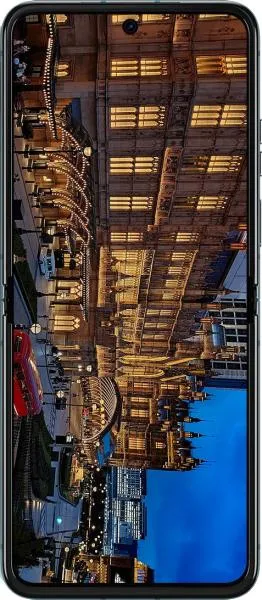
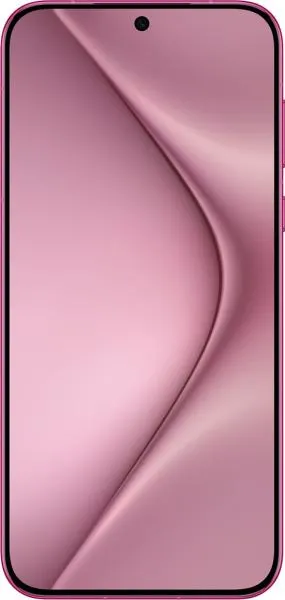
| Dimensions (mm) | 170.8 x 74 x 7.4 (folded) | 157.6 x 74.3 x 8 | Razr 40 significantly more compact when folded, Pura 70 thinner when unfolded. Impacts pocketability and one-handed use. |
| Weight (g) | 188.6 | 207 | Razr 40 noticeably lighter, reducing hand fatigue during extended use. |
| Foldable | Yes | No | Razr 40 offers portability advantage, Pura 70 offers a traditional smartphone experience. |
| Display | |||
| Size (inches) | 6.9 | 6.6 | Razr 40 offers a larger screen for media consumption but with a crease; Pura 70's slightly smaller screen is uninterrupted. |
| Resolution (px) | 1080 x 2640 | 1256 x 2760 | Pura 70 has a slightly sharper display (460 ppi vs 413 ppi). Difference may be negligible in real-world use. |
| Refresh Rate (Hz) | 144 | 120 | Razr 40's higher refresh rate results in smoother animations and scrolling, beneficial for gaming and fast-paced content. |
| Peak Brightness (nits) | 1400 | 2500 | Pura 70 boasts significantly higher peak brightness, ensuring excellent outdoor visibility. |
| Panel Type | Foldable LTPO AMOLED | LTPO OLED | Razr 40's folding screen technology allows for compact portability, but introduces a potential crease and durability concerns. Pura 70 utilizes a robust, traditional OLED panel. |
| Performance | |||
| Chipset | Snapdragon 7 Gen 1 | Kirin 9000S1 | Performance comparison difficult without benchmarks. Kirin chipset newer but availability and app compatibility could be concerns. |
| CPU | Octa-core (1x2.4 GHz A710 & 3x2.36 GHz A710 & 4x1.8 GHz A510) | Octa-core (details unavailable) | Detailed Kirin CPU core configuration needed for accurate comparison. Both are likely sufficient for everyday tasks. |
| RAM (GB) | 8 | 12 | Pura 70 has more RAM, enabling better multitasking and smoother performance with demanding applications. |
| GPU | Adreno 644 | 8 (unspecified) | GPU performance comparison impossible without specific Kirin GPU model and benchmarks. |
| Camera | |||
| Main Camera (MP) | 64 | 50 | Megapixel count doesn't solely determine image quality. Pura 70's larger sensor (1/1.3") and wider aperture (f/1.4) potentially offer better low-light performance. |
| Other Cameras | 13MP Wide + Macro, 32MP Selfie | 13MP Wide, 12MP Telephoto, 13MP Selfie | Pura 70 offers a more versatile camera system with a dedicated telephoto lens, enabling optical zoom. |
| Battery | |||
| Capacity (mAh) | 4200 | 4900 | Pura 70's larger battery likely results in longer battery life. Real-world usage and software optimization play significant roles. |
2. Key Differences Analysis
Motorola Razr 40 Advantages:
- Portability: The foldable design makes it significantly more compact.
- Higher Refresh Rate: Smoother visuals for gaming and scrolling.
- Lighter Weight: Reduced hand fatigue.
Huawei Pura 70 Advantages:
- Larger Battery: Potentially longer battery life.
- Brighter Display: Superior outdoor visibility.
- More Versatile Camera System: Telephoto lens for optical zoom.
- More RAM: Better multitasking capabilities.
- Potentially More Powerful Chipset: The Kirin 9000S1 might offer better performance, but this needs benchmarking to confirm.
Trade-offs:
- Razr 40: Foldable design introduces durability concerns and a crease. Smaller battery.
- Pura 70: Larger and heavier. Less portable. Unknown GPU performance.
3. User Profiles & Recommendations
Motorola Razr 40: Ideal for users prioritizing portability and style. Suitable for those who value a compact phone for easy one-handed use and pocket storage.
Huawei Pura 70: Suitable for users who prioritize performance, battery life, camera versatility, and a large, bright display. Good for power users, photographers, and those who consume lots of media.
4. Decision Framework
Key Questions:
- How important is portability? If paramount, the Razr 40's foldable design is a clear winner.
- What is your budget and are you comfortable with potential software limitations? The Kirin chipset might have app compatibility issues outside of China. The Razr 40 is more widely available.
- What are your primary use cases? Gaming and media consumption benefit from the Razr 40's higher refresh rate and larger screen (despite the crease). Photography and productivity tasks might favor the Pura 70's camera system and larger battery.
My Choice: Huawei Pura 70
While I appreciate the Razr 40's innovative design and portability, the Huawei Pura 70 better suits my needs. The combination of a larger, brighter display, more versatile camera system with a dedicated telephoto lens, larger battery, and potentially more powerful chipset outweighs the portability benefits of the Razr 40 for me. I prioritize a robust, traditional smartphone experience with strong performance and all-day battery life. The uncertainty surrounding the Kirin chip's performance and software compatibility is a concern, but assuming it performs as expected based on its positioning, the Pura 70 offers a more well-rounded package. The superior camera system for capturing memories and the bright display for enjoying media are key factors in my decision.
