1. Specifications Comparison
| Feature | Motorola Razr 40 | Huawei nova 12i | Practical Impact |
|---|---|---|---|
| Design | |||
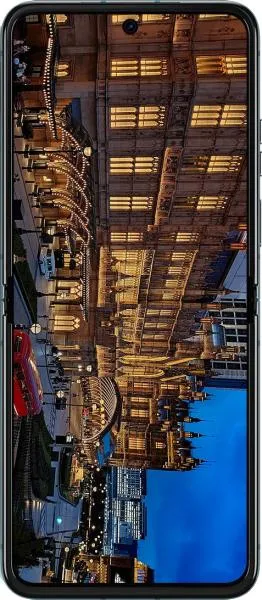
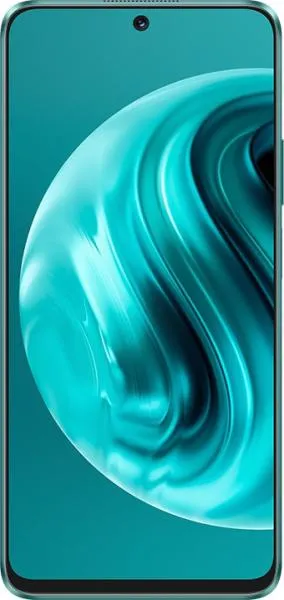
| Form Factor | Foldable | Standard | Razr 40 offers portability and a unique form factor, Nova 12i is a traditional slab phone. |
| Dimensions (mm) | 170.8 x 74 x 7.4 | 163.3 x 74.7 x 8.4 | Razr 40 is significantly more compact when folded, but thicker when unfolded. Nova 12i is thinner overall. |
| Weight (g) | 188.6 | 199 | Razr 40 is slightly lighter. |
| Display | |||
| Display Type | Foldable LTPO AMOLED | IPS LCD | Razr 40 provides superior contrast, deeper blacks, and potentially better power efficiency. Nova 12i's LCD is generally less vibrant. |
| Size (inches) | 6.9 | 6.7 | Both offer large screens suitable for media consumption, but the Razr 40's folding design allows for a larger screen in a smaller overall device. |
| Resolution | 1080 x 2640 | 1080 x 2388 | Comparable sharpness. |
| Refresh Rate (Hz) | 144 | 90 | Razr 40 offers smoother scrolling and animations. |
| Performance | |||
| Chipset | Snapdragon 7 Gen 1 | Snapdragon 680 4G | Razr 40 offers significantly better performance in demanding tasks and gaming. |
| CPU | Octa-core (1x2.4 GHz Cortex-A710 & 3x2.36 GHz Cortex-A710 & 4x1.8 GHz Cortex-A510) | Octa-core (4x2.4 GHz Cortex-A73 & 4x1.9 GHz Cortex-A53) | Razr 40's newer CPU architecture provides a performance advantage. |
| GPU | Adreno 644 | Adreno 610 | Razr 40 boasts superior graphics performance. |
| RAM (GB) | 8 | 8 | Comparable RAM capacity for multitasking. |
| Camera | |||
| Main Camera (MP) | 64 | 108 | Nova 12i has a higher resolution sensor, but image quality depends on factors beyond resolution (sensor size, processing). |
| Video Recording | 4K@30fps with EIS | 1080p@30fps | Razr 40 offers higher resolution video recording and Electronic Image Stabilization (EIS). |
| Battery | |||
| Capacity (mAh) | 4200 | 5000 | Nova 12i has a larger battery capacity, potentially leading to longer battery life. However, the Razr 40's LTPO display could offset this difference. Foldable phones often have shorter battery life due to the dual displays. |
2. Key Differences Analysis
Motorola Razr 40 Advantages:
- Foldable Design: Offers unparalleled portability and a unique user experience.
- Superior Display: The LTPO AMOLED panel provides vibrant colors, deeper blacks, and a higher refresh rate.
- Faster Performance: The Snapdragon 7 Gen 1 delivers smoother performance for demanding tasks and gaming.
- Higher Quality Video Recording: 4K resolution and EIS provide better video quality.
Huawei nova 12i Advantages:
- Larger Battery: Potentially longer battery life, though real-world usage will vary.
- Lower Price: Offers a more budget-friendly option.
- Higher Resolution Main Camera: While not the sole determinant of image quality, it offers more detail.
Trade-offs:
- Razr 40: Higher price, potentially shorter battery life due to the foldable design and higher refresh rate display. Durability of the folding mechanism is a long-term concern.
- Nova 12i: Lower performance, less vibrant display, lower resolution video recording.
3. User Profiles & Recommendations
Motorola Razr 40: Ideal for users who prioritize portability, cutting-edge technology, and a unique form factor. Suitable for those who value a premium display and smooth performance, even at a higher price.
Huawei nova 12i: Suitable for budget-conscious users who prioritize battery life and basic smartphone functionality. Good for users who primarily use their phones for communication, social media, and light browsing.
4. Decision Framework
Key Questions for Buyers:
- Is portability a top priority? If yes, the Razr 40's foldable design is a significant advantage.
- What is your budget? The Nova 12i is considerably more affordable.
- What are your primary phone usage patterns? For demanding tasks and media consumption, the Razr 40's superior performance and display are beneficial. For basic usage, the Nova 12i is sufficient.
My Choice: Motorola Razr 40
While the Huawei nova 12i offers great value for its price, I would choose the Motorola Razr 40. The foldable design is a game-changer for portability, fitting comfortably in smaller pockets without sacrificing screen real estate when needed. The superior display and performance are crucial for a smooth and enjoyable user experience, especially for tasks like gaming and media consumption. While the battery life might be a concern, the unique form factor and improved user experience offered by the foldable design outweigh the potential drawbacks for me. The price difference is significant, but I am willing to pay a premium for the innovative technology and the convenience it provides. The Snapdragon 7 Gen 1's noticeable performance advantage over the Snapdragon 680, coupled with the much better display, makes the Razr 40 a more future-proof device.
