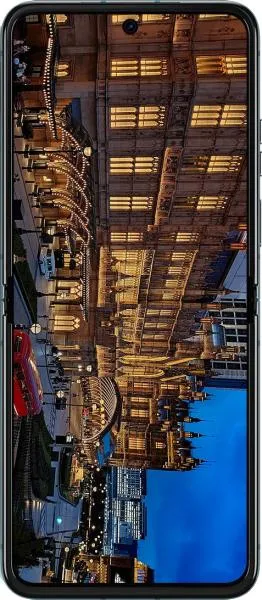
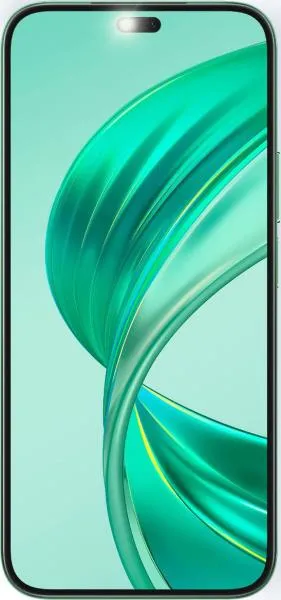
1. Specifications Comparison
| Feature | Motorola Razr 40 | Honor X8b | Practical Impact |
|---|---|---|---|
| Design | |||
| Form Factor | Foldable | Standard Slab | Razr 40 offers portability and a unique form factor, while the X8b is a traditional smartphone design. |
| Dimensions (mm) | 170.8 x 74 x 7.4 (unfolded) | 161.1 x 74.6 x 6.8 | Razr 40 is significantly smaller when folded but larger unfolded. X8b is thinner overall. |
| Weight (g) | 188.6 | 166 | Razr 40 is heavier despite its smaller folded size. |
| Display | |||
| Display Type | Foldable LTPO AMOLED | AMOLED | Razr 40's folding display allows for a larger screen in a smaller device but introduces a crease. |
| Size (inches) | 6.9 | 6.7 | Razr 40 offers a slightly larger screen when unfolded. |
| Resolution | 1080 x 2640 | 1080 x 2412 | Similar sharpness due to similar pixel density, but Razr 40 has a taller aspect ratio. |
| Refresh Rate (Hz) | 144 | 90 | Razr 40 provides smoother scrolling and animations. |
| Peak Brightness (nits) | 1400 | 2000 | X8b should be more visible in direct sunlight. |
| Performance | |||
| Chipset | Snapdragon 7 Gen 1 | Snapdragon 680 | Razr 40 offers significantly better performance in demanding tasks and gaming. |
| CPU | Octa-core (1x2.4 GHz Cortex-A710 & 3x2.36 GHz Cortex-A710 & 4x1.8 GHz Cortex-A510) | Octa-core (4x2.4 GHz Kryo 265 Gold & 4x1.9 GHz Kryo 265 Silver) | Razr 40 has a more powerful and modern CPU architecture. |
| GPU | Adreno 644 | Adreno 610 | Razr 40 provides a smoother gaming and graphics experience. |
| RAM (GB) | 8 | 8 (Tested Model) | Both phones offer ample RAM for multitasking. X8b has 6GB option available. |
| Camera | |||
| Main Camera (MP) | 64 | 108 | X8b has higher resolution, but image quality depends on sensor size and processing (not provided). |
| Ultrawide (MP) | 13 | 5 | Razr 40 offers a wider field of view with its ultrawide camera. X8b ultrawide is severely limited. |
| Selfie Camera (MP) | 32 | 50 | X8b has a higher resolution front-facing camera. |
| Video Recording | 4K@30fps with EIS | 1080p@30fps | Razr 40 supports higher resolution video recording and Electronic Image Stabilization (EIS). |
| Battery | |||
| Capacity (mAh) | 4200 | 4500 | X8b has a slightly larger battery capacity, potentially offering longer battery life. Foldables often have reduced battery life due to the dual displays. |
| Other | |||
| NFC | Yes | No | Razr 40 supports contactless payments and data transfer. |
| 5G | Yes | No | Razr 40 offers faster cellular data speeds where available. |
| OS | Android 13 | Android 13 | Both run on the same OS version, but long-term updates are unknown for the X8b ("os_max_version" missing). |
2. Key Differences Analysis
Motorola Razr 40 Advantages:
- Foldable Design: Offers portability and a larger screen in a compact form factor.
- Superior Performance: Snapdragon 7 Gen 1 provides smoother multitasking and gaming.
- Higher Refresh Rate Display: Smoother scrolling and animations.
- NFC and 5G Connectivity: Enables contactless payments and faster data speeds.
- Better Ultrawide Camera: Captures wider scenes.
Honor X8b Advantages:
- Brighter Display: Better visibility in direct sunlight.
- Larger Battery Capacity: Potentially longer battery life, but real-world usage may vary due to Razr's dual displays.
- Higher Resolution Main Camera: Potentially more detailed photos, but dependent on sensor quality and processing which isn't available for comparison.
- Lower Price: Offers a more budget-friendly option (based on provided price ranges).
3. User Profiles & Recommendations
Motorola Razr 40: Ideal for users who prioritize portability, a unique design, and strong performance. Suitable for those who value a larger screen but want a compact device when not in use. Good for content consumption, social media, and light gaming.
Honor X8b: Suitable for budget-conscious users who prioritize battery life and a large, bright display. Good for basic tasks like browsing, social media, and media consumption. Less suitable for demanding gaming or multitasking.
4. Decision Framework
Key Questions for Buyers:
- Form Factor Preference: Do you prioritize portability and a unique foldable design or a traditional smartphone form factor?
- Performance Needs: Do you require a powerful phone for demanding tasks and gaming, or is basic performance sufficient?
- Budget Constraints: Which phone fits your budget considering the features offered?
Scenario-Based Recommendations:
- Prioritize Portability and Performance: Choose the Razr 40.
- Prioritize Battery Life and Affordability: Choose the Honor X8b.
- Heavy Gamer or Multitasker: Choose the Razr 40.
- Casual User with Basic Needs: The Honor X8b might suffice.
My Choice: Motorola Razr 40
While the Honor X8b offers a compelling price point and potentially longer battery life, the Motorola Razr 40 is the superior device overall. The Snapdragon 7 Gen 1 provides a significant performance advantage, the foldable design is unique and highly portable, and the 144Hz display offers a noticeably smoother user experience. The inclusion of NFC and 5G future-proofs the device. Although the Razr 40 is more expensive, the added features and performance justify the higher price for my needs. I am willing to sacrifice some battery life and brightness for the significant advancements in other areas. The lack of full specifications for the Honor X8b, especially concerning the camera sensor, also makes it difficult to fully endorse. The Razr 40 provides a more well-rounded and future-proof package.
