1. Specifications Comparison
| Feature | Motorola Razr 40 | Honor Magic6 Pro | Practical Impact |
|---|---|---|---|
| Design | |||
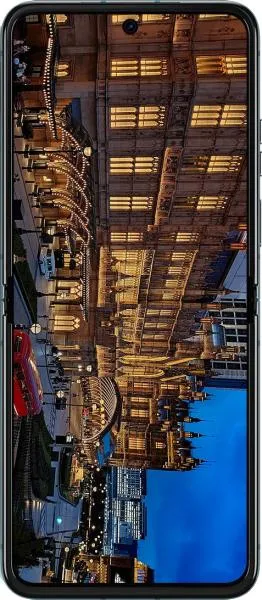
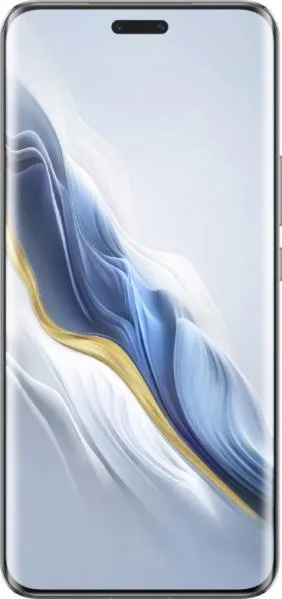
| Form Factor | Foldable | Standard | Razr 40 offers portability and a unique form factor; Magic6 Pro provides a larger, more traditional screen experience. |
| Dimensions (mm) | 170.8 x 74 x 7.4 | 162.5 x 75.8 x 8.9 | Razr 40 is significantly more compact when folded, but thicker when unfolded; Magic6 Pro is thinner overall but larger. |
| Weight (g) | 188.6 | 225 | Razr 40 is noticeably lighter, enhancing portability. |
| Display | |||
| Display Type | Foldable LTPO AMOLED | LTPO OLED | Razr 40 has a crease in the middle of the screen due to folding; Magic6 Pro offers a seamless display. |
| Size (inches) | 6.9 | 6.8 | Negligible difference in screen real estate. |
| Resolution | 1080 x 2640 | 1280 x 2800 | Magic6 Pro has a slightly higher resolution, resulting in sharper visuals. |
| Refresh Rate (Hz) | 144 | 120 | Razr 40 provides smoother animations and scrolling; however, the difference might not be perceptible to all users. |
| Peak Brightness (nits) | 1400 | 5000 | Magic6 Pro offers significantly higher peak brightness, ensuring excellent outdoor visibility. |
| Performance | |||
| Chipset | Snapdragon 7 Gen 1 | Snapdragon 8 Gen 3 | Magic6 Pro boasts a significantly more powerful processor, leading to superior performance in demanding tasks and gaming. |
| CPU | Octa-core (1x2.4 GHz Cortex-A710 & 3x2.36 GHz Cortex-A710 & 4x1.8 GHz Cortex-A510) | Octa-core (1x3.3 GHz Cortex-X4 & 3x3.2 GHz Cortex-A720 & 2x3.0 GHz Cortex-A720 & 2x2.3 GHz Cortex-A520) | Magic6 Pro offers a substantial performance advantage with faster clock speeds and newer core architecture. |
| RAM (GB) | 8 | 12 | Magic6 Pro's larger RAM enables smoother multitasking and better handling of demanding applications. |
| Camera | |||
| Main Camera (MP) | 64 | 50 | While Razr 40 has a higher megapixel count, Magic6 Pro utilizes a larger sensor (1/1.3") and wider aperture (f/1.4) potentially capturing more light and detail. |
| Ultrawide (MP) | 13 | 50 | Magic6 Pro offers a much higher resolution ultrawide camera, capturing more detailed and wider shots. |
| Telephoto | No | 180 MP | Magic6 Pro features a powerful telephoto lens enabling lossless zoom capabilities, absent in the Razr 40. |
| Battery | |||
| Capacity (mAh) | 4200 | 5600 | Magic6 Pro offers significantly longer battery life. |
2. Key Differences Analysis
Motorola Razr 40 Advantages:
- Portability: The foldable design offers unmatched portability.
- Higher Refresh Rate: Smoother scrolling and animations.
- Lower Price: Generally more affordable.
Honor Magic6 Pro Advantages:
- Flagship Performance: Significantly faster and more powerful processor, more RAM.
- Superior Camera System: Higher quality sensors, telephoto lens, better low-light performance likely due to larger sensors and apertures.
- Longer Battery Life: Substantially larger battery capacity.
- Brighter Display: Much brighter display for better outdoor visibility.
- Latest Connectivity: WiFi 7 and USB 3.2 with DisplayPort
3. User Profiles & Recommendations
Motorola Razr 40: Users prioritizing portability and style, light users, social media users who value a compact device.
Honor Magic6 Pro: Users demanding top-tier performance, mobile gamers, photographers and videographers, power users who require long battery life, professionals needing the latest connectivity options.
4. Decision Framework
Key Questions:
- Is portability your top priority? If yes, the Razr 40's foldable design is a strong contender.
- Do you need the best possible performance and camera? If yes, the Magic6 Pro is the clear winner.
- What is your budget? The Razr 40 is generally more affordable.
Scenario-Based Recommendations:
- Frequent Traveler: Razr 40 for its compact size.
- Mobile Gamer: Magic6 Pro for its powerful hardware.
- Photography Enthusiast: Magic6 Pro for its superior camera system.
My Choice: Honor Magic6 Pro
While the Razr 40's foldable design is intriguing, the Honor Magic6 Pro offers a compelling combination of flagship performance, a superior camera system with a telephoto lens, significantly longer battery life, and a brighter, sharper display. The addition of WiFi 7 and a USB 3.2 port with DisplayPort 1.2 future-proofs the device. Although heavier and larger than the Razr 40, its overall package provides a more well-rounded and powerful smartphone experience for my needs. I prioritize performance, camera quality, and battery life over extreme portability, making the Magic6 Pro the better choice for me.
