1. Specifications Comparison
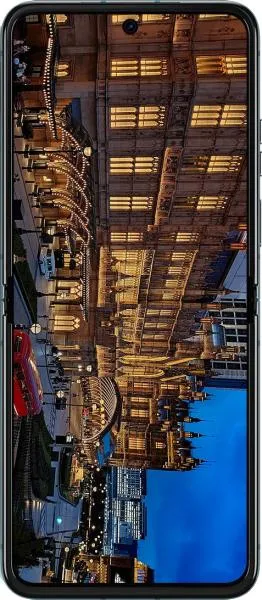
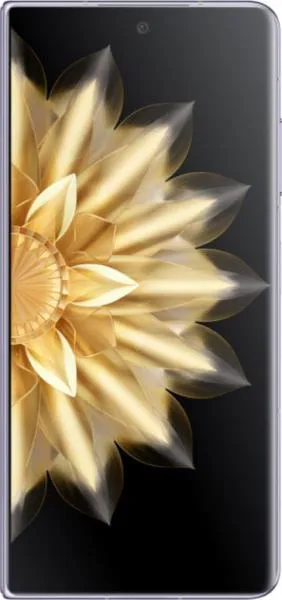
| Feature | Motorola Razr 40 | Honor Magic V3 | Practical Impact |
|---|---|---|---|
| Design | |||
| Dimensions (mm) | 170.8 x 74 x 7.4 | 156.6 x 145.3 x 4.35 | Razr 40 is taller and narrower when folded; Magic V3 is wider but significantly thinner. Magic V3 might feel more pocketable when folded due to its thinness despite width. |
| Weight (g) | 188.6 | 226 | Razr 40 is noticeably lighter, reducing hand fatigue during prolonged use. |
| Foldable | Yes | Yes | Both offer foldable screen technology, enhancing portability and screen real estate. |
| Display | |||
| Main Display Size (inches) | 6.9 | 7.92 | Magic V3 offers a larger main display, providing a more immersive experience for media consumption and multitasking. |
| Main Display Resolution | 1080 x 2640 | 2156 x 2344 | Magic V3 has a significantly sharper display with higher resolution, resulting in clearer text and images. |
| Refresh Rate (Hz) | 144 | 120 | Razr 40's higher refresh rate results in smoother animations and scrolling, though the difference might not be noticeable to all users. |
| Peak Brightness (nits) | 1400 | 1800 | Magic V3's higher peak brightness ensures better visibility in direct sunlight. |
| Performance | |||
| Chipset | Snapdragon 7 Gen 1 | Snapdragon 8 Gen 3 | Magic V3 features a significantly more powerful processor, enabling smoother performance for demanding tasks and gaming. |
| CPU | Octa-core (1x2.4 GHz Cortex-A710 & 3x2.36 GHz Cortex-A710 & 4x1.8 GHz Cortex-A510) | Octa-core (1x3.3 GHz Cortex-X4 & 3x3.2 GHz Cortex-A720 & 2x3.0 GHz Cortex-A720 & 2x2.3 GHz Cortex-A520) | Magic V3's CPU architecture offers superior performance, especially in single-core tasks. |
| RAM (GB) | 8 | 12/16 | Magic V3 offers more RAM, enabling better multitasking and smoother performance with multiple apps open. |
| Camera | |||
| Rear Camera (MP) | 64 MP Main + 13 MP Wide | 50 MP Main + 40 MP Wide + 50 MP Telephoto | Magic V3 boasts a triple camera system with a dedicated telephoto lens, offering greater versatility in various shooting scenarios. The specific sensor quality impacts image quality, not just megapixel count. |
| Front Camera (MP) | 32 | 20 | Razr 40 has a higher resolution front-facing camera, potentially producing higher-resolution selfies. |
| Battery | |||
| Capacity (mAh) | 4200 | 5150 | Magic V3 has a significantly larger battery, likely translating to longer usage time on a single charge. |
| Other | |||
| Price Range | Medium | High | Razr 40 is more affordable, while Magic V3 is positioned as a premium device. |
| OS | Android 13 | Android 14 | Magic V3 comes with the latest Android version, offering potential features and performance improvements. |
2. Key Differences Analysis
Motorola Razr 40 Advantages:
- Lighter and More Compact: Easier to carry and use for extended periods.
- More Affordable: Offers a compelling foldable experience at a lower price point.
- Higher Refresh Rate: Potentially smoother scrolling and animations.
Honor Magic V3 Advantages:
- Significantly More Powerful: Superior performance for demanding tasks and gaming.
- Larger and Sharper Display: More immersive media consumption and multitasking.
- Larger Battery: Longer battery life.
- More Versatile Camera System: Telephoto lens allows for optical zoom and diverse photography options.
- Brighter Display: Better outdoor visibility.
Trade-offs:
- Razr 40: Compromises on performance, camera versatility, and battery life for a lighter, more affordable package.
- Magic V3: Higher price and heavier weight for significantly improved performance, display, and camera system.
3. User Profiles & Recommendations
Motorola Razr 40: Ideal for users who prioritize portability, affordability, and style in a foldable phone and are willing to compromise on raw performance. Suitable use cases include casual social media browsing, light productivity tasks, and everyday communication.
Honor Magic V3: Ideal for users who demand top-tier performance, a premium display, and a versatile camera system. Well-suited for demanding tasks like gaming, content creation, professional photography, and prolonged usage without frequent charging.
4. Decision Framework
Key Questions for Buyers:
- What is your budget? The Razr 40 offers better value for its price, while the Magic V3 demands a premium.
- What is your primary use case? Casual use vs. demanding tasks like gaming and content creation.
- How important is portability and weight? The Razr 40's lighter weight may be crucial for some users.
Scenario-Based Recommendations:
- Limited budget, casual user: Razr 40
- Power user, prioritize performance and features: Magic V3
- Value seeker, balance of performance and price: Carefully consider individual needs and the trade-offs.
My Choice: Honor Magic V3
While the Motorola Razr 40 is a compelling option for its price and portability, the Honor Magic V3's superior performance, larger and sharper display, more versatile camera system, and larger battery are decisive factors for me. I prioritize a smooth and powerful user experience, especially for tasks like mobile gaming and content consumption. The significantly improved display for media consumption and productivity outweighs the higher price and increased weight. While the Razr 40 excels in portability, the Magic V3's thinness when folded mitigates some of the size concerns. The long-term benefits of a future-proof processor like the Snapdragon 8 Gen 3 and ample RAM ensure a device that will remain performant for longer.
