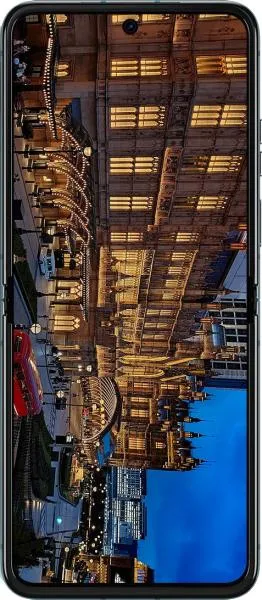
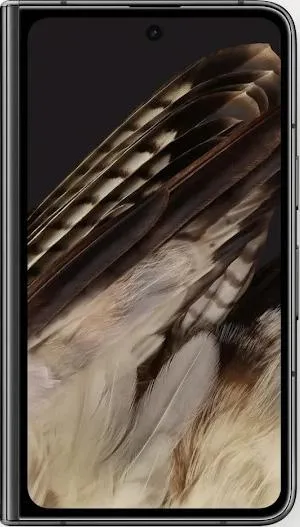
1. Specifications Comparison
| Feature | Motorola Razr 40 | Google Pixel Fold | Practical Impact |
|---|---|---|---|
| Design | |||
| Dimensions (mm) | 170.8 x 74 x 7.4 | 139.7 x 158.7 x 5.8 | Razr 40 is taller and narrower when unfolded, Pixel Fold is wider and shorter. Pixel Fold significantly thicker when folded. Razr 40 likely more pocketable. |
| Weight (g) | 188.6 | 283 | Razr 40 is significantly lighter, reducing hand fatigue. |
| Foldable | Yes | Yes | Both offer foldable screen technology. |
| Display | |||
| Main Display Size (inches) | 6.9 | 7.6 | Pixel Fold offers a larger main display for more immersive content consumption. |
| Main Display Resolution (px) | 1080 x 2640 | 1840 x 2208 | Pixel Fold has a higher resolution, resulting in sharper text and images. |
| Refresh Rate (Hz) | 144 | 120 | Razr 40 has a higher refresh rate, potentially leading to smoother animations and scrolling. However, the real-world difference might be negligible for many users. |
| Peak Brightness (nits) | 1400 | 1450 | Negligible difference in peak brightness; both should be easily viewable outdoors. |
| Performance | |||
| Chipset | Snapdragon 7 Gen 1 | Google Tensor G2 | Tensor G2 generally performs better in AI tasks and some specific applications optimized for it. Snapdragon 7 Gen 1 is a capable mid-range chip. |
| CPU | Octa-core (1x2.4 GHz Cortex-A710 & 3x2.36 GHz Cortex-A710 & 4x1.8 GHz Cortex-A510) | Octa-core (2x2.85 GHz Cortex-X1 & 2x2.35 GHz Cortex-A78 & 4x1.80 GHz Cortex-A55) | Pixel Fold has a more powerful CPU, leading to better performance in demanding tasks. |
| RAM (GB) | 8 | 12 | More RAM in Pixel Fold allows for better multitasking and smoother performance with multiple apps open. |
| Camera | |||
| Main Camera (MP) | 64 | 48 | Razr 40 has higher megapixel count, but image quality depends on many factors beyond resolution. Pixel Fold's camera software is known for its excellent processing. |
| DxOMark Score | Not Available | 133 | Pixel Fold has a significantly higher DxOMark score, indicating superior overall camera quality. However, subjective preferences and real-world usage can vary. |
| Battery | |||
| Capacity (mAh) | 4200 | 4821 | Pixel Fold has a larger battery, potentially offering longer battery life. This needs real-world testing to confirm due to the larger display consuming more power. |
2. Key Differences Analysis
Motorola Razr 40 Advantages:
- Significantly lighter and more compact: Easier to carry and use one-handed.
- Higher refresh rate display: Potentially smoother scrolling and animations.
- Lower price: Offers a more affordable foldable phone option.
Google Pixel Fold Advantages:
- Larger and higher resolution inner display: More immersive media consumption and productivity.
- More powerful processor and more RAM: Better performance for demanding tasks and multitasking.
- Superior camera system: Higher quality photos and videos based on DxOMark scores and Google's known camera prowess.
- Larger battery: Potentially longer battery life.
- Faster USB standard (3.2 vs 2.0): Faster data transfer speeds.
3. User Profiles & Recommendations
Motorola Razr 40: Users who prioritize portability and affordability, casual users, social media users.
Google Pixel Fold: Users who prioritize performance and a large, high-quality display, power users, content creators, professionals.
4. Decision Framework
Key Questions for Buyers:
- What is your budget? The Razr 40 is significantly more affordable.
- What is your priority: portability or a larger screen? Razr 40 excels in portability, while Pixel Fold offers a larger display.
- How important is camera quality and overall performance? Pixel Fold significantly outperforms the Razr 40 in these areas.
My Choice: Google Pixel Fold
While the Motorola Razr 40 is a compelling option due to its portability and price, the Google Pixel Fold better suits my needs. I prioritize a larger, high-quality display for productivity and media consumption. The superior performance of the Tensor G2 chip, coupled with 12GB of RAM, ensures smooth multitasking and handling demanding applications. The significantly better camera system is also a major factor for me. While the higher price and added weight are drawbacks, the overall user experience offered by the Pixel Fold justifies the trade-offs for my use case. The faster USB standard is also a plus for quicker data transfer. Ultimately, the Pixel Fold provides a more premium and powerful foldable experience.
