1. Specifications Comparison
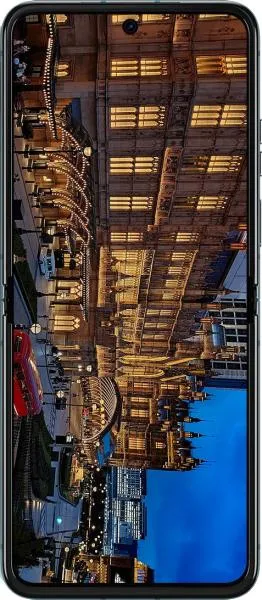
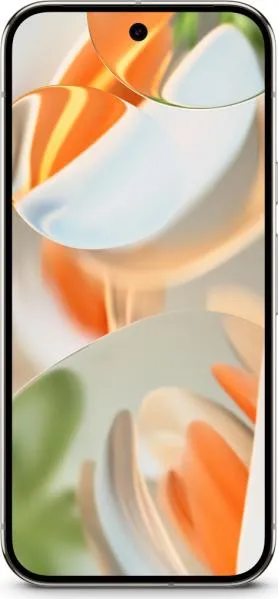
| Feature | Motorola Razr 40 | Google Pixel 9 Pro | Practical Impact |
|---|---|---|---|
| Design | |||
| Dimensions (mm) | 170.8 x 74 x 7.4 (folded) | 152.8 x 72 x 8.5 | Razr 40 significantly more compact when folded, Pixel 9 Pro thinner when unfolded. Impacts pocketability and one-handed use. |
| Weight (g) | 188.6 | 199 | Razr 40 noticeably lighter. Reduces hand fatigue during extended use. |
| Foldable | Yes | No | Razr 40 offers unique portability and a smaller footprint when closed. Pixel 9 Pro offers a traditional slab design. |
| Display | |||
| Display Size (inches) | 6.9 | 6.3 | Razr 40 offers a larger screen for media consumption. |
| Resolution (pixels) | 1080 x 2640 | 1280 x 2856 | Pixel 9 Pro has a sharper display (higher pixel density - 495 ppi vs 413 ppi) resulting in clearer text and images. |
| Refresh Rate (Hz) | 144 | 120 | Razr 40's higher refresh rate enables smoother scrolling and animations, but real-world difference might be minimal. |
| Peak Brightness (nits) | 1400 | 3000 | Pixel 9 Pro significantly brighter, dramatically improving outdoor visibility. |
| Display Type | Foldable LTPO AMOLED | LTPO OLED | Razr 40's foldable display allows for a larger screen in a smaller device. Pixel 9 Pro uses a more traditional but potentially more durable flat OLED. |
| Performance | |||
| Chipset | Snapdragon 7 Gen 1 | Google Tensor G4 | Tensor G4 likely offers superior performance in AI tasks and overall processing power due to its newer architecture and higher clock speeds. Snapdragon 7 Gen 1 focuses on efficiency. |
| CPU | Octa-core (1x2.4 GHz Cortex-A710 & 3x2.36 GHz Cortex-A710 & 4x1.8 GHz Cortex-A510) | Octa-core (1x3.1 GHz Cortex-X4 & 3x2.6 GHz Cortex-A720 & 4x1.92 GHz Cortex-A520) | Pixel 9 Pro boasts a more powerful CPU architecture with higher clock speeds, translating to faster app loading, multitasking, and demanding tasks. |
| RAM (GB) | 8 | 16 | Pixel 9 Pro's double the RAM enables significantly better multitasking and app switching performance. |
| Camera | |||
| Main Camera (MP) | 64 | 50 | Pixel 9 Pro, despite lower megapixel count, likely to produce superior image quality due to Google's advanced image processing algorithms. |
| Video Recording | 4K@30fps | 8K@30fps | Pixel 9 Pro capable of higher resolution video recording. |
| Other Features | OIS | OIS, EIS, Advanced AI features | Pixel 9 Pro offers more advanced camera features like 8K recording and superior computational photography capabilities. |
| Battery | |||
| Capacity (mAh) | 4200 | 4700 | Pixel 9 Pro has a larger battery capacity, potentially leading to longer battery life. However, real-world usage varies. |
2. Key Differences Analysis
Motorola Razr 40 Advantages:
- Portability: Foldable design makes it significantly more compact.
- Lighter Weight: Noticeably less hand fatigue.
- Price: Positioned in the medium price range, offering a more affordable foldable option.
Google Pixel 9 Pro Advantages:
- Performance: More powerful processor and significantly more RAM for demanding tasks and multitasking.
- Camera: Expected superior image quality and video recording capabilities due to advanced hardware and software.
- Display: Brighter and sharper screen.
- Battery: Larger battery capacity.
- Software Updates: Longer software update support expected from Google.
3. User Profiles & Recommendations
Motorola Razr 40: Ideal for users who prioritize portability and style above raw performance and seek a more affordable foldable phone. Best for users who value compact size for easy one-handed use and pocketability.
Google Pixel 9 Pro: Suitable for users who demand top-tier performance, the best camera experience, and a bright, sharp display. Excellent for power users, photographers, and videographers.
4. Decision Framework
Key Questions:
- Is portability your top priority? If yes, Razr 40's foldable design is a compelling advantage.
- What is your budget? Razr 40 offers a more budget-friendly option compared to the premium-priced Pixel 9 Pro.
- Do you prioritize performance and camera quality? If yes, the Pixel 9 Pro is the clear winner.
My Choice: Google Pixel 9 Pro
While the Razr 40's foldable design is intriguing, the Pixel 9 Pro's superior performance, significantly better camera, brighter display, and larger battery are more important to me. I value a smooth, powerful user experience and high-quality photos and videos. The longer software support expected from a Google device is also a significant factor. While the Razr 40 offers a unique advantage in portability, the overall package of the Pixel 9 Pro better suits my needs and priorities. I am willing to pay the premium price for the significant jump in performance and features.
