1. Specifications Comparison
| Feature | Motorola Razr 40 | Google Pixel 8a | Practical Impact |
|---|---|---|---|
| Design | |||
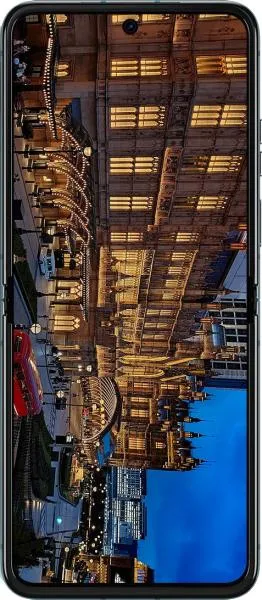
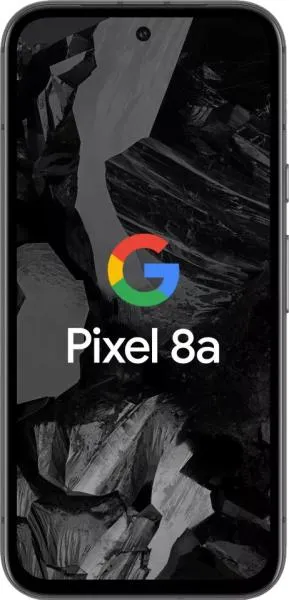
| Form Factor | Foldable | Standard | Razr 40 offers compact portability when folded; Pixel 8a is a traditional slab design. |
| Dimensions (mm) | 170.8 x 74 x 7.4 | 152.1 x 72.7 x 8.9 | Razr 40 is significantly shorter and thinner when folded but thicker when unfolded. Pixel 8a is more pocketable in its single form. |
| Weight (g) | 188.6 | 188 | Nearly identical weight, despite the Razr's folding mechanism. |
| Display | |||
| Display Type | Foldable LTPO AMOLED | OLED | Razr 40's folding screen allows for a larger display in a smaller device; Pixel 8a offers a standard flat display. |
| Size (inches) | 6.9 | 6.1 | Razr 40 provides a significantly larger screen for media consumption and multitasking. |
| Resolution | 1080 x 2640 | 1080 x 2400 | Similar sharpness despite the size difference, but Razr 40 is slightly sharper due to a higher pixel density. |
| Refresh Rate (Hz) | 144 | 120 | Razr 40 offers smoother scrolling and animations. |
| Performance | |||
| Chipset | Snapdragon 7 Gen 1 | Google Tensor G3 | Tensor G3 is generally considered more powerful, especially in AI tasks, while the Snapdragon 7 Gen 1 focuses on efficiency. |
| CPU | Octa-core (1x2.4 GHz Cortex-A710 & 3x2.36 GHz Cortex-A710 & 4x1.8 GHz Cortex-A510) | Nona-core (1x3.0 GHz Cortex-X3 & 4x2.45 GHz Cortex-A715 & 4x2.15 GHz Cortex-A510) | Tensor G3's more modern architecture and higher clock speeds suggest superior performance. |
| GPU | Adreno 644 | Immortalis-G715s MC10 | Immortalis-G715s MC10 should offer noticeably better gaming performance. |
| RAM (GB) | 8 | 8 | Both phones offer ample RAM for multitasking. |
| Camera | |||
| Main Camera (MP) | 64 | 64 | Similar resolution; however, Pixel 8a leverages Google's advanced image processing for potentially superior image quality. |
| Ultrawide (MP) | 13 | 13 | Similar resolution; Pixel's computational photography likely provides an edge. |
| Selfie (MP) | 32 | 13 | Razr 40 boasts a higher resolution selfie camera. |
| Video | 4K@30fps | 4K@60fps | Pixel 8a can record smoother and more detailed 4K video at 60fps. |
| Battery | |||
| Capacity (mAh) | 4200 | 4492 | Pixel 8a has a slightly larger battery capacity, potentially leading to longer battery life. |
| OS & Updates | Android 13 (up to 16) | Android 14 (up to 21) | Pixel 8a offers longer software support and newer OS features out of the box. |
2. Key Differences Analysis
Motorola Razr 40 Advantages:
- Foldable Design: Offers unique portability and a larger screen in a compact form factor.
- High Refresh Rate Display: Smoother scrolling and more responsive gaming experience.
- Higher Resolution Selfie Camera: Better for video calls and self-portraits.
Google Pixel 8a Advantages:
- Superior Performance: Tensor G3 chip offers faster processing and better AI capabilities.
- Better Camera System: While similar in resolution, Google's computational photography likely results in superior image and video quality.
- Longer Software Support: Guaranteed updates for a longer period, ensuring security and new features.
- Larger Battery: Potentially longer battery life.
- More advanced Bluetooth features: Enhanced audio quality and compatibility with a wider range of devices.
3. User Profiles & Recommendations
Motorola Razr 40: Ideal for users who prioritize portability and a large screen for media consumption on the go. The unique form factor is a key selling point.
Google Pixel 8a: Best suited for users who value performance, camera quality, and long-term software updates. Excellent choice for power users, photographers, and those seeking a reliable, future-proof device.
4. Decision Framework
Key Questions for Buyers:
- Form Factor Priority: Is a foldable design with its portability benefits crucial, or is a traditional smartphone preferred?
- Performance Needs: Are demanding tasks like gaming and heavy multitasking a priority, or is moderate performance sufficient?
- Software & Updates: How important is long-term software support and receiving the latest Android features?
My Choice: Google Pixel 8a
While the Razr 40's foldable design is intriguing, the Pixel 8a's superior performance, camera system, and significantly longer software support make it the more compelling choice for me. I prioritize a smooth user experience, high-quality photos and videos, and the assurance of timely updates. The Tensor G3's AI capabilities and Google's commitment to software updates offer significant long-term value. The slightly larger battery is also a plus. While the Razr's form factor is unique, the advantages of the Pixel 8a outweigh the novelty of a foldable phone for my personal needs.
