1. Specifications Comparison
| Feature | Motorola Razr 40 | Google Pixel 8 Pro | Practical Impact |
|---|---|---|---|
| Design | |||
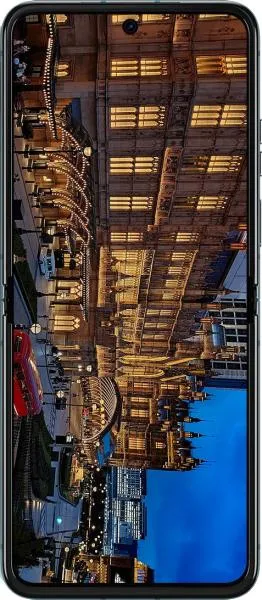
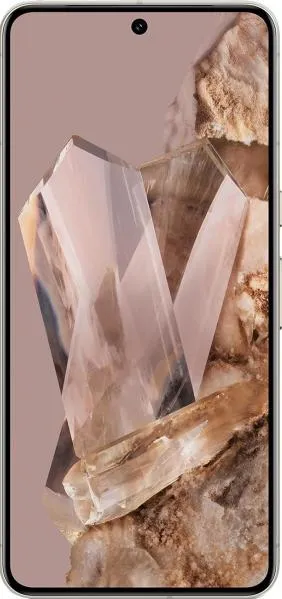
| Form Factor | Foldable | Standard | Razr 40 offers portability and a unique form factor, Pixel 8 Pro provides a traditional smartphone experience. |
| Dimensions (mm) | 170.8 x 74 x 7.4 | 162.6 x 76.5 x 8.8 | Razr 40 is significantly more compact when folded but thicker when unfolded. Pixel 8 Pro is larger overall. |
| Weight (g) | 188.6 | 213 | Razr 40 is noticeably lighter. |
| Display | |||
| Display Type | Foldable LTPO AMOLED | LTPO OLED | Razr 40 has a foldable screen with a crease, Pixel 8 Pro offers a larger, uninterrupted display. |
| Size (inches) | 6.9 | 6.7 | Razr 40's main display is slightly larger but divided by the crease; Pixel 8 Pro's display is more usable for single-screen tasks. |
| Resolution | 1080 x 2640 | 1344 x 2992 | Pixel 8 Pro has a significantly sharper display with higher pixel density (489 vs 413 ppi). |
| Refresh Rate (Hz) | 144 | 120 | Both offer smooth scrolling and animations, but the Razr 40's higher refresh rate might be noticeable in fast-paced games. |
| Peak Brightness (nits) | 1400 | 2400 | Pixel 8 Pro's display is much brighter, offering better visibility in direct sunlight. |
| Performance | |||
| Chipset | Snapdragon 7 Gen 1 | Google Tensor G3 | Tensor G3 is expected to offer better performance, particularly in AI tasks, though benchmark comparisons would be needed for definitive conclusions. |
| CPU | Octa-core (1x2.4 GHz Cortex-A710 & 3x2.36 GHz Cortex-A710 & 4x1.8 GHz Cortex-A510) | Nona-core (1x3.0 GHz Cortex-X3 & 4x2.45 GHz Cortex-A715 & 4x2.15 GHz Cortex-A510) | Pixel 8 Pro's CPU boasts a more powerful core architecture, suggesting superior multi-tasking and demanding application performance. |
| RAM (GB) | 8 | 12 | Pixel 8 Pro has more RAM, enabling better multitasking and smoother performance with multiple apps. |
| Camera | |||
| Main Camera (MP) | 64 | 50 | Pixel 8 Pro uses a larger sensor with advanced features like pixel binning, potentially leading to better low-light performance and overall image quality. |
| Ultrawide (MP) | 13 | 48 | Pixel 8 Pro has a significantly higher resolution ultrawide camera. |
| Telephoto | No dedicated telephoto lens | 48 MP with 5x Optical Zoom | Pixel 8 Pro offers superior zoom capabilities. |
| Battery | |||
| Capacity (mAh) | 4200 | 5050 | Pixel 8 Pro has a considerably larger battery, potentially offering significantly longer battery life. |
| Charging Speed | Not specified | Not specified | A direct comparison is impossible without charging speed specifications. |
2. Key Differences Analysis
Motorola Razr 40 Advantages:
- Portability: The foldable design offers unparalleled portability.
- Unique Form Factor: The flip phone nostalgia and compact size are appealing.
- Lighter Weight: Noticeably less weighty than the Pixel 8 Pro.
- Higher Refresh Rate: Smoother animations and scrolling.
Google Pixel 8 Pro Advantages:
- Superior Display: Larger, sharper, and brighter screen with better overall quality.
- More Powerful Performance: Tensor G3 and larger RAM suggest better performance.
- Advanced Camera System: Higher resolution sensors, telephoto lens, and Google's computational photography expertise likely result in superior image quality.
- Larger Battery: Potentially significantly longer battery life.
- Software Support: Google phones typically receive longer software updates and faster feature drops.
3. User Profiles & Recommendations
Motorola Razr 40: Users who prioritize portability and a unique design over raw performance and camera capabilities. Ideal for those who value compact size and are willing to compromise on certain features for the foldable form factor.
Google Pixel 8 Pro: Users who prioritize performance, camera quality, battery life, and a large, high-quality display. Ideal for power users, photographers, and those who consume lots of media.
4. Decision Framework
Key Questions:
- How important is portability? If ultimate portability is paramount, the Razr 40 is the clear winner.
- What are your primary smartphone uses? For photography, gaming, or heavy multitasking, the Pixel 8 Pro is better suited. If it's primarily communication and light tasks, the Razr 40 might suffice.
- What is your budget? Both are in the medium price range, but specific pricing should be compared.
My Choice: Google Pixel 8 Pro
While the Motorola Razr 40 offers a unique and appealing foldable design, the Google Pixel 8 Pro is a more well-rounded device for my needs. I prioritize a large, high-quality display, excellent camera performance, long battery life, and consistent software updates. The Pixel 8 Pro excels in all these areas. While I appreciate the Razr 40's portability, I'm willing to sacrifice some compactness for the superior overall user experience offered by the Pixel 8 Pro. The significantly better camera system and expected performance advantages of the Tensor G3 are decisive factors for me. The longer software support commitment from Google is also a strong consideration.
