1. Specifications Comparison
| Feature | Motorola Razr 40 | Google Pixel 8 | Practical Impact |
|---|---|---|---|
| Design | |||
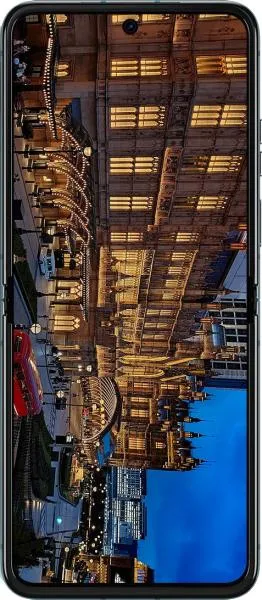
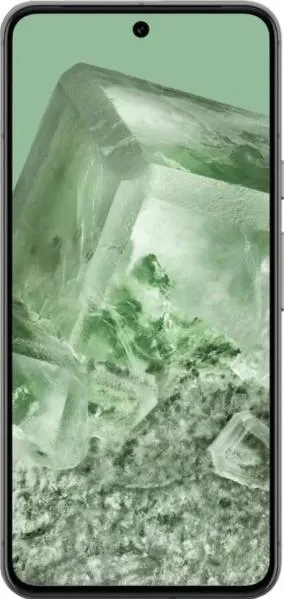
| Form Factor | Foldable | Standard | Razr 40 offers portability and a unique form factor, Pixel 8 is a traditional slab design. |
| Dimensions (mm) | 170.8 x 74 x 7.4 | 150.5 x 70.8 x 8.9 | Razr 40 is significantly more compact when folded but thicker when unfolded. Pixel 8 offers a more standard feel. |
| Weight (g) | 188.6 | 187 | Negligible weight difference in practical use. |
| Display | |||
| Display Type | Foldable LTPO AMOLED | OLED | Razr 40's foldable display allows for a larger screen in a smaller device, but introduces a crease. Pixel 8's display is more robust but less compact. |
| Size (inches) | 6.9 | 6.2 | Razr 40 offers a larger main display for media consumption. |
| Resolution (px) | 1080 x 2640 | 1080 x 2400 | Similar sharpness due to Pixel 8's slightly smaller display size. |
| Refresh Rate (Hz) | 144 | 120 | Razr 40 provides smoother scrolling and animations. |
| Peak Brightness (nits) | 1400 | 2000 | Pixel 8's display will be significantly more visible in direct sunlight. |
| Performance | |||
| Chipset | Snapdragon 7 Gen 1 | Google Tensor G3 | Tensor G3 is expected to offer superior performance, especially in AI tasks. |
| CPU | Octa-core (1x2.4 GHz Cortex-A710 & 3x2.36 GHz Cortex-A710 & 4x1.8 GHz Cortex-A510) | Nona-core (1x3.0 GHz Cortex-X3 & 4x2.45 GHz Cortex-A715 & 4x2.15 GHz Cortex-A510) | Tensor G3's more powerful core architecture suggests better performance for demanding tasks. |
| RAM (GB) | 8 | 8 | Equivalent RAM capacity. |
| OS | Android 13 | Android 14 | Pixel 8 launches with the latest Android version and will receive longer software updates. |
| Camera | |||
| Main Camera (MP) | 64 | 50 | Pixel's computational photography prowess often outweighs raw megapixel count differences. Real-world image quality comparison requires sample photos. |
| Ultrawide (MP) | 13 | 12 | Both offer ultrawide capabilities; practical difference depends on lens quality and software processing. |
| Video Recording | Up to 4K@30fps | Up to 4K@60fps | Pixel 8 supports higher resolution and frame rate video recording. |
| Battery | |||
| Capacity (mAh) | 4200 | 4575 | Pixel 8 has a slightly larger battery capacity. Real-world battery life depends on usage patterns and software optimization. |
2. Key Differences Analysis
Motorola Razr 40 Advantages:
- Portability: The foldable design offers significant portability advantages.
- Larger Display in a Compact Form: The folding screen provides a large display for media consumption when needed.
- High Refresh Rate Display: Smoother scrolling and animations contribute to a more fluid user experience.
Google Pixel 8 Advantages:
- Superior Performance: The Tensor G3 chip offers more processing power, especially for AI-driven tasks.
- Longer Software Support: Google guarantees longer OS and security updates for Pixel devices.
- Brighter Display: Better visibility in direct sunlight.
- Advanced Camera Features: Pixel's computational photography and video recording capabilities are generally considered top-tier.
- Larger Battery: Potentially longer battery life.
3. User Profiles & Recommendations
Motorola Razr 40: Users who prioritize portability and a unique form factor over raw performance. Ideal for those who value having a large screen available in a compact device.
Google Pixel 8: Users who prioritize performance, camera quality, software updates, and a reliable overall experience. Suitable for power users, photography enthusiasts, and those who value a robust and future-proof device.
4. Decision Framework
Key Questions for Buyers:
- How important is portability? If pocketability is paramount, the Razr 40's foldable design is a clear winner.
- What is your budget and how much do you value performance? The Pixel 8 offers better performance but may come at a slightly higher price.
- How important is camera quality and software updates? The Pixel 8 generally excels in these areas.
My Choice: Google Pixel 8
While the Razr 40's foldable design is intriguing, the Pixel 8's superior performance, camera capabilities, and guaranteed long-term software support are more important to me. I prioritize a smooth, reliable user experience with access to the latest features and security updates. The brighter display and larger battery are also significant advantages for my usage patterns. While I appreciate the Razr's portability, the potential trade-offs in performance and longevity outweigh the benefits of the foldable form factor for my personal needs.
