1. Specifications Comparison
| Feature | Motorola Razr 40 | Asus ROG Phone 8 Pro | Practical Impact |
|---|---|---|---|
| Design | |||
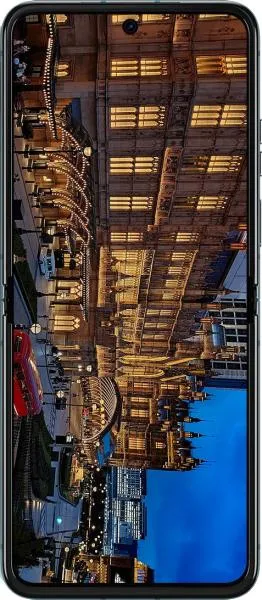
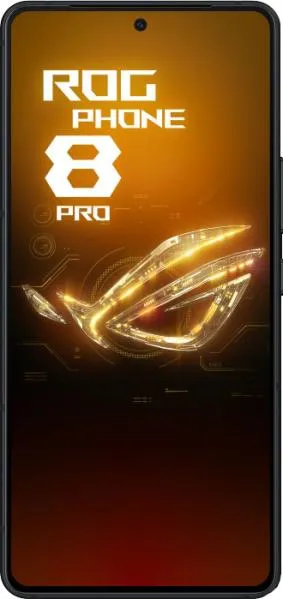
| Form Factor | Foldable | Traditional Slab | Razr 40 offers portability and a smaller footprint when closed, ROG Phone 8 Pro provides a larger screen for media consumption. |
| Dimensions (mm) | 170.8 x 74 x 7.4 | 163.8 x 76.8 x 8.9 | Razr 40 is significantly more compact when folded but thicker when unfolded. ROG Phone 8 Pro is larger overall. |
| Weight (g) | 188.6 | 225 | Razr 40 is noticeably lighter, improving one-handed use and portability. |
| Display | |||
| Display Type | Foldable LTPO AMOLED | LTPO AMOLED | Razr 40 has a crease in the middle of the inner display due to the folding mechanism. ROG Phone 8 Pro offers a seamless, flat display. |
| Size (inches) | 6.9 | 6.78 | Similar screen sizes offer comparable media viewing experiences. |
| Resolution | 1080 x 2640 | 1080 x 2400 | Razr 40's taller aspect ratio is better suited for scrolling webpages. ROG Phone 8 Pro's wider aspect ratio might be slightly better for gaming. |
| Refresh Rate (Hz) | 144 | 165 | ROG Phone 8 Pro offers a slightly smoother experience in fast-paced games and scrolling. |
| Peak Brightness (nits) | 1400 | 2500 | ROG Phone 8 Pro's significantly higher brightness ensures better visibility in direct sunlight. |
| Performance | |||
| Chipset | Snapdragon 7 Gen 1 | Snapdragon 8 Gen 3 | ROG Phone 8 Pro boasts significantly higher CPU and GPU performance for demanding tasks and gaming. |
| CPU | Octa-core (1x2.4 GHz A710 & 3x2.36 GHz A710 & 4x1.8 GHz A510) | Octa-core (1x3.3 GHz X4 & 3x3.2 GHz A720 & 2x3.0 GHz A720 & 2x2.3 GHz A520) | ROG Phone 8 Pro will handle multitasking and demanding applications much faster and smoother. |
| RAM (GB) | 8 | 16/24 | ROG Phone 8 Pro offers much more RAM, enabling smoother multitasking and preventing app closures in the background. |
| Camera | |||
| Main Camera (MP) | 64 | 50 | While megapixels aren't everything, ROG Phone 8 Pro utilizes a larger sensor (Sony IMX890) known for good low-light performance. |
| Additional Cameras | 13MP Wide + Macro | 13MP Wide + Macro, 32MP Telephoto | ROG Phone 8 Pro offers greater versatility with a dedicated telephoto lens for optical zoom. |
| Video Recording | 4K@30fps | 8K@24fps | ROG Phone 8 Pro offers higher resolution video recording capabilities. |
| Battery | |||
| Capacity (mAh) | 4200 | 5500 | ROG Phone 8 Pro offers significantly longer battery life. |
2. Key Differences Analysis
Motorola Razr 40 Advantages:
- Portability: The foldable design makes it significantly more pocketable.
- Unique Design: Stands out from the crowd with its flip phone aesthetic.
Asus ROG Phone 8 Pro Advantages:
- Superior Performance: Significantly more powerful for gaming and demanding tasks.
- Longer Battery Life: Larger battery capacity ensures extended usage.
- Brighter Display: Better outdoor visibility.
- Versatile Camera System: Telephoto lens adds optical zoom capabilities.
3. User Profiles & Recommendations
Motorola Razr 40: Ideal for users who prioritize portability and style over raw performance. Best for casual users who value a compact phone for everyday communication and social media.
Asus ROG Phone 8 Pro: Best suited for mobile gamers, power users, and content creators who demand top-tier performance, a long-lasting battery, and a vibrant display.
4. Decision Framework
Key Questions for Buyers:
- What is your budget? The ROG Phone 8 Pro is considerably more expensive.
- What are your primary use cases? (Gaming, photography, everyday use, etc.)
- Do you prioritize portability and style or performance and battery life?
My Choice: Asus ROG Phone 8 Pro
While I appreciate the innovative design and portability of the Razr 40, the ROG Phone 8 Pro's superior performance, battery life, and camera versatility are more compelling for my needs. I prioritize a smooth user experience, long battery life, and the ability to handle demanding tasks. The ROG Phone 8 Pro excels in these areas, making it the better choice for me. The inclusion of a telephoto lens and a brighter, more responsive display further solidifies its position as the preferred option. Although the Razr 40 offers a unique form factor, the compromises in performance and battery life are too significant for my personal preferences.
