1. Specifications Comparison
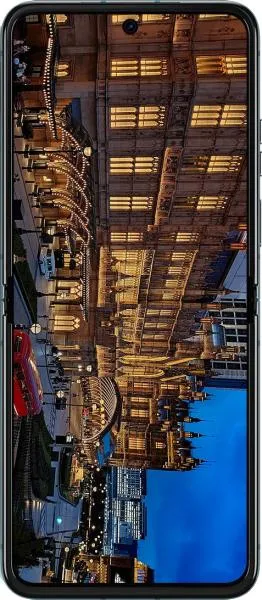
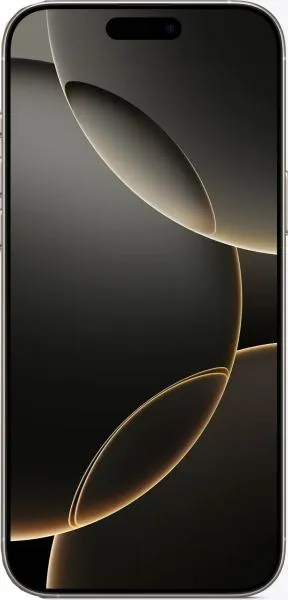
| Feature | Motorola Razr 40 | Apple iPhone 16 Pro Max | Practical Impact |
|---|---|---|---|
| Design | |||
| Dimensions (mm) | 170.8 x 74 x 7.4 | 163 x 77.6 x 8.3 | Razr 40 is significantly more compact when folded, making it highly pocketable. iPhone 16 Pro Max is larger and heavier. |
| Weight (g) | 188.6 | 227 | Razr 40 is noticeably lighter, reducing hand fatigue. |
| Foldable | Yes | No | Razr 40 offers a compact folded size for portability, while the iPhone 16 Pro Max provides a traditional slab design. |
| Display | |||
| Size (inches) | 6.9 | 6.9 | Same screen size when unfolded, offering similar media consumption experience. |
| Resolution (pixels) | 1080 x 2640 | 1320 x 2868 | iPhone 16 Pro Max boasts a sharper display with higher pixel density (460 ppi vs 413 ppi), resulting in crisper text and images. |
| Refresh Rate (Hz) | 144 | 120 | Razr 40's higher refresh rate delivers smoother animations and scrolling, especially noticeable in gaming and fast-paced content. |
| Display Type | Foldable LTPO AMOLED | LTPO Super Retina XDR OLED | Both offer excellent color accuracy and contrast. iPhone's "Super Retina XDR" branding suggests potential enhancements in brightness and HDR performance. |
| Peak Brightness (nits) | 1400 | 2000 | iPhone 16 Pro Max's significantly higher peak brightness ensures better visibility in direct sunlight. |
| Performance | |||
| Chipset | Snapdragon 7 Gen 1 | Apple A18 Pro | A18 Pro is expected to significantly outperform the Snapdragon 7 Gen 1 in processing power and graphics performance. |
| CPU | Octa-core (1x2.4 GHz Cortex-A710 & 3x2.36 GHz Cortex-A710 & 4x1.8 GHz Cortex-A510) | Hexa-core (2x4.05 GHz + 4x2.42 GHz) | A18 Pro's architecture and higher clock speeds indicate superior multi-core performance for demanding tasks. |
| GPU | Adreno 644 | Apple GPU (6-core) | Apple's custom GPU is expected to deliver significantly better gaming and graphics-intensive task performance. |
| RAM (GB) | 8 | 8 | Same RAM capacity; however, iOS's memory management may result in different real-world performance. |
| Camera | |||
| Main Camera (MP) | 64 | 48 | While Razr 40 has a higher megapixel count, iPhone's larger sensor size (1/1.3") and advanced image processing likely result in superior image quality, especially in low light. |
| Ultrawide (MP) | 13 | 48 | iPhone 16 Pro Max boasts a higher resolution ultrawide camera. |
| Telephoto | Not specified | 12 MP | iPhone 16 Pro Max offers optical zoom capabilities, missing on the Razr 40. |
| Video Recording | 4K@30fps | Up to 4K@120fps | iPhone offers more advanced video recording capabilities with higher frame rates and Dolby Vision HDR. |
| Battery | |||
| Capacity (mAh) | 4200 | 4685 | iPhone 16 Pro Max has a larger battery capacity, potentially offering longer battery life. Real-world usage will vary depending on software optimization. |
2. Key Differences Analysis
Motorola Razr 40 Advantages:
- Portability: Significantly more compact due to its foldable design.
- Higher Refresh Rate: Smoother scrolling and animations.
- Lower Price: Positioned in the mid-range price segment.
Apple iPhone 16 Pro Max Advantages:
- Superior Performance: Much more powerful processor and GPU for demanding tasks and gaming.
- Advanced Camera System: Larger sensors, optical zoom, and superior image processing.
- Longer Battery Life: Larger battery capacity.
- Brighter Display: Enhanced outdoor visibility.
- USB Type-C 3.2 Gen 2 with DisplayPort: Faster data transfer and video output capabilities.
Trade-offs:
- Razr 40: Compromises performance and camera capabilities for portability and affordability.
- iPhone 16 Pro Max: Sacrifices portability for superior performance and features, at a higher price point.
3. User Profiles & Recommendations
Motorola Razr 40: Ideal for users who prioritize portability and style above all else and are on a budget. Suitable for everyday tasks, social media, and casual content consumption.
Apple iPhone 16 Pro Max: Best suited for power users, gamers, content creators, and those who demand top-tier performance, camera quality, and a premium experience.
4. Decision Framework
Key Questions for Buyers:
- Portability vs. Performance: Which is more important – a compact, pocketable phone or a powerful device for demanding tasks?
- Budget: Are you looking for a mid-range or a high-end device?
- Camera Needs: Are advanced photography and videography features a priority?
My Choice: Apple iPhone 16 Pro Max
While the Motorola Razr 40 offers a compelling foldable design, the iPhone 16 Pro Max's significant advantages in performance, camera capabilities, battery life, and display quality outweigh the portability benefit for my needs. I prioritize a smooth and powerful user experience for productivity, content creation, and gaming. The superior camera system of the iPhone is also crucial for capturing high-quality photos and videos. Although the price is higher, the overall value proposition of the iPhone 16 Pro Max aligns better with my usage patterns and preferences. The inclusion of USB Type-C 3.2 Gen 2 with DisplayPort future-proofs the device and opens possibilities for connecting to external displays and accessories.
