1. Specifications Comparison
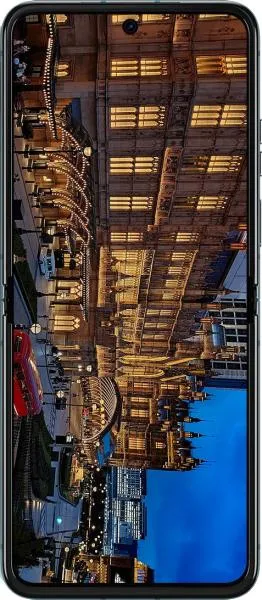
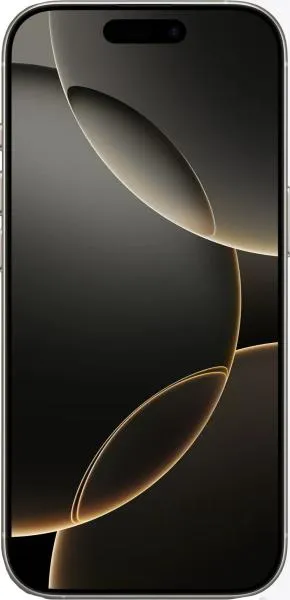
| Feature | Motorola Razr 40 | Apple iPhone 16 Pro | Practical Impact |
|---|---|---|---|
| Design | |||
| Form Factor | Foldable | Standard | Razr 40 offers portability and a smaller footprint when closed, but potentially added complexity and durability concerns. iPhone 16 Pro provides a traditional, robust slab design. |
| Dimensions (mm) | 170.8 x 74 x 7.4 | 149.6 x 71.5 x 8.3 | Razr 40 is taller and narrower when unfolded, significantly more compact when folded. iPhone 16 Pro offers a more pocketable one-piece design. |
| Weight (g) | 188.6 | 199 | Negligible weight difference in practical use. |
| Display | |||
| Display Type | Foldable LTPO AMOLED | LTPO Super Retina XDR OLED | Both offer high-quality OLED displays with excellent color and contrast. Razr 40's foldable nature provides a unique large-screen experience in a compact device. iPhone boasts superior brightness (2000 nits peak vs 1400 nits). |
| Size (inches) | 6.9 | 6.3 | Razr 40 provides a larger screen for media consumption and multitasking when unfolded. |
| Resolution | 1080 x 2640 | 1206 x 2622 | Comparable sharpness despite resolution differences due to size variations; iPhone has slightly higher pixel density (460 ppi vs 413 ppi). |
| Refresh Rate (Hz) | 144 | 120 | Razr 40 offers smoother animations and scrolling. However, the difference between 120Hz and 144Hz is often imperceptible. |
| Performance | |||
| Chipset | Snapdragon 7 Gen 1 | Apple A18 Pro | A18 Pro significantly outperforms Snapdragon 7 Gen 1 in benchmarks, translating to faster app loading, smoother multitasking, and superior gaming performance. |
| CPU | Octa-core (1x2.4 GHz Cortex-A710 & 3x2.36 GHz Cortex-A710 & 4x1.8 GHz Cortex-A510) | Hexa-core (2x4.05 GHz + 4x2.42 GHz) | A18 Pro's architecture and higher clock speeds provide a substantial performance advantage. |
| GPU | Adreno 644 | Apple GPU (6-core) | Apple's custom GPU is expected to deliver significantly better graphics performance for demanding games and applications. |
| RAM (GB) | 8 | 8 | RAM amount is equal, but the A18's superior memory management likely results in better real-world performance. |
| Camera | |||
| Main Camera (MP) | 64 | 48 | iPhone 16 Pro uses a larger sensor and advanced computational photography, likely resulting in better image quality despite lower resolution. |
| Ultrawide (MP) | 13 | 48 | iPhone's higher resolution ultrawide offers greater detail and versatility. |
| Telephoto | No | Yes (12MP) | iPhone offers optical zoom for better image quality at longer distances. |
| Video | 4K@30fps | Up to 4K@120fps | iPhone supports significantly higher video frame rates for smoother slow-motion capture. |
| Battery | |||
| Capacity (mAh) | 4200 | 3582 | Razr 40 has a larger battery capacity, potentially offering longer battery life. Real-world usage will depend on individual usage patterns and software optimization. |
2. Key Differences Analysis
Motorola Razr 40 Advantages:
- Portability: Foldable design provides a larger screen in a compact form factor.
- Larger Battery: Potentially longer battery life.
- Higher Refresh Rate Display: Smoother scrolling and animations (though the difference might not be hugely noticeable).
- Lower Price: Significantly more affordable.
Apple iPhone 16 Pro Advantages:
- Superior Performance: Significantly faster processor and graphics.
- Advanced Camera System: Higher quality images and videos, optical zoom, more versatile lenses.
- Brighter Display: Better visibility in direct sunlight.
- Robust Software and Ecosystem: iOS known for its stability, performance, and app quality.
- Faster USB connectivity: USB 3.2 Gen 2 with DisplayPort for faster data transfer and video output.
Trade-offs:
- Razr 40: Foldable design might introduce durability concerns and added complexity. Performance significantly lags behind the iPhone 16 Pro.
- iPhone 16 Pro: Significantly more expensive. Smaller battery capacity might lead to shorter battery life compared to the Razr 40.
3. User Profiles & Recommendations
Motorola Razr 40: Users who prioritize portability and a large screen in a compact device, value affordability, and are willing to compromise on raw performance. Ideal for social media, web browsing, and casual gaming.
Apple iPhone 16 Pro: Users who prioritize performance, camera quality, a premium user experience, and are willing to pay a premium price. Ideal for demanding tasks like gaming, video editing, photography, and for users heavily invested in the Apple ecosystem.
4. Decision Framework
Key Questions for Buyers:
- Budget: How much are you willing to spend?
- Priority Features: What is most important - portability and unique design or performance and camera quality?
- Use Cases: What will you primarily use the phone for - casual tasks or demanding applications?
Scenario-Based Recommendations:
- Limited Budget, Social Media Focus: Razr 40
- Photographer/Videographer: iPhone 16 Pro
- Mobile Gamer: iPhone 16 Pro
- Seeking Unique, Compact Design: Razr 40
My Choice: Apple iPhone 16 Pro
While the Razr 40 offers a compelling foldable design and a lower price, the iPhone 16 Pro's superior performance, advanced camera system, brighter display, and the robust iOS ecosystem are more important to me. I prioritize a smooth, powerful user experience and high-quality content creation capabilities, making the iPhone 16 Pro the better choice despite its higher price. The significantly faster processor, better GPU, and advanced camera features would greatly benefit my daily workflow and allow for a more enjoyable mobile experience. I'm also heavily invested in the Apple ecosystem, making the iPhone a more seamless integration into my digital life.
