1. Specifications Comparison
| Feature | Motorola Razr 40 | Apple iPhone 16 Plus | Practical Impact |
|---|---|---|---|
| Design | |||
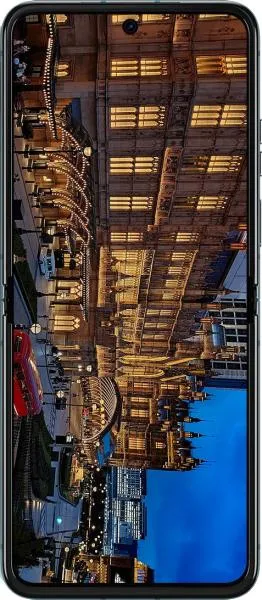
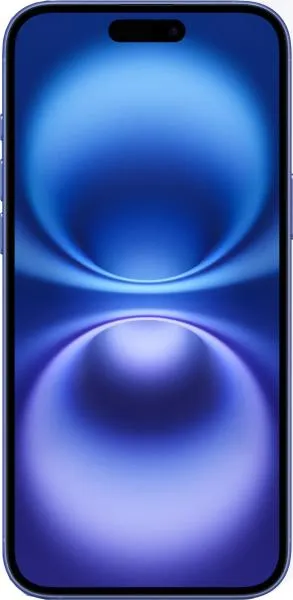
| Dimensions (mm) | 170.8 x 74 x 7.4 | 160.9 x 77.8 x 7.8 | Razr 40 significantly more compact when folded, iPhone 16 Plus thinner when unfolded. Razr's foldability offers portability advantage; iPhone likely feels more premium due to its solid build. |
| Weight (g) | 188.6 | 199 | Razr 40 noticeably lighter, enhancing one-handed use, especially when folded. |
| Foldable | Yes | No | Razr 40 offers unique portability and a smaller footprint when closed. |
| Display | |||
| Display Size (inches) | 6.9 | 6.7 | Comparable screen real estate for media consumption. |
| Resolution (px) | 1080 x 2640 | 1290 x 2796 | iPhone 16 Plus boasts sharper visuals due to higher resolution and pixel density. |
| PPI Density | 413 | 460 | iPhone 16 Plus offers crisper text and images. |
| Refresh Rate (Hz) | 144 | Not specified | Razr 40's 144Hz delivers smoother animations and scrolling compared to a standard 60Hz display (assuming iPhone 16 Plus uses a standard refresh rate). Higher refresh rates enhance gaming and fast-paced content. |
| Peak Brightness (nits) | 1400 | 2000 | iPhone 16 Plus significantly brighter, ensuring better outdoor visibility. |
| Display Type | Foldable LTPO AMOLED | Super Retina XDR OLED | Both offer vibrant colors and deep blacks. iPhone's "Super Retina XDR" branding suggests higher color accuracy and wider dynamic range, although specific details about Razr 40's color capabilities are limited ("1B colors"). |
| Performance | |||
| Chipset | Snapdragon 7 Gen 1 | Apple A18 | A18 expected to significantly outperform Snapdragon 7 Gen 1 in processing power and graphics rendering, leading to faster app loading, smoother multitasking, and enhanced gaming capabilities. |
| CPU | Octa-core (1x2.4 GHz Cortex-A710 & 3x2.36 GHz Cortex-A710 & 4x1.8 GHz Cortex-A510) | Hexa-core (2x4.04 GHz + 4x2.20 GHz) | A18's architecture and higher clock speeds indicate superior performance. |
| GPU | Adreno 644 | Apple GPU (5-core) | Apple's custom GPU in the A18 chip expected to provide a significant advantage in graphics performance. |
| RAM | 8GB | 8GB | Comparable RAM should provide sufficient multitasking capabilities for both devices. However, iOS's memory management might offer an advantage in real-world usage. |
| Camera | |||
| Main Camera (MP) | 64 | 48 | Razr 40 has higher megapixel count, but iPhone's sensor (Sony IMX904) and computational photography often result in better image quality. Megapixels alone don't determine image quality. |
| Ultrawide (MP) | 13 | 12 | Similar ultrawide capabilities. Practical differences would depend on lens quality and software processing. |
| Selfie (MP) | 32 | 12 | Razr 40 boasts higher megapixel count for selfies. |
| Video Capabilities | 4K@30fps with EIS | 4K@60fps with HDR, Dolby Vision | iPhone offers superior video recording features with higher resolution, frame rate, HDR, and Dolby Vision. |
| Battery | |||
| Capacity (mAh) | 4200 | 4674 | iPhone 16 Plus has a larger battery, likely resulting in longer battery life. Foldable phones often have compromises in battery capacity due to space constraints. |
2. Key Differences Analysis
Motorola Razr 40 Advantages:
- Portability: The foldable design makes it incredibly compact.
- Higher Refresh Rate Display: Smoother scrolling and animations.
- Lower Price: Generally more affordable.
Apple iPhone 16 Plus Advantages:
- Superior Performance: Significantly faster processor and graphics.
- Sharper Display: Higher resolution and pixel density.
- Better Camera System: Expected to produce higher quality photos and videos, especially in challenging conditions.
- Longer Battery Life: Larger battery capacity.
- Brighter Display: Enhanced outdoor visibility.
3. User Profiles & Recommendations
Motorola Razr 40: Ideal for users who prioritize portability and compactness above all else. Suitable for those who value a unique form factor and are willing to compromise on raw performance. Good for social media, casual gaming, and everyday tasks.
Apple iPhone 16 Plus: Best for users who demand top-tier performance, a premium camera system, and a long-lasting battery. Excellent for demanding tasks like gaming, video editing, and photography.
4. Decision Framework
Key Questions for Buyers:
- How important is portability? If ultimate portability is paramount, the Razr 40's foldable design is a clear winner.
- What is your budget? The Razr 40 is expected to be more affordable.
- What are your primary use cases? For demanding tasks, the iPhone 16 Plus is the better choice. For casual use, the Razr 40 might suffice.
My Choice: Apple iPhone 16 Plus
While the Razr 40's foldable design is intriguing, the iPhone 16 Plus offers a more well-rounded package for my needs. I prioritize performance, camera quality, and battery life, all areas where the iPhone excels. The A18 chip's significant performance advantage, coupled with the superior camera system and brighter display, makes the iPhone 16 Plus a more compelling device for long-term use. Although the Razr 40 offers a unique form factor, the potential compromises in performance and battery life are not ideal for my usage patterns. I am also willing to pay a premium for the expected longevity and higher quality experience offered by the iPhone.
