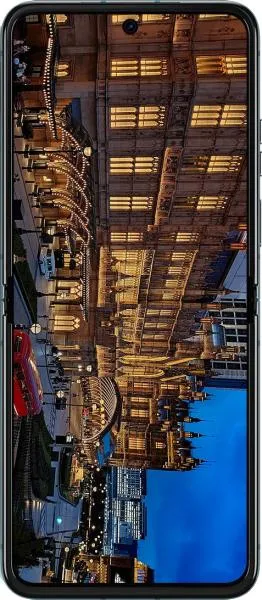
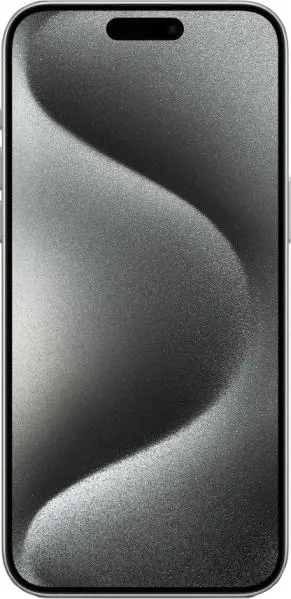
1. Specifications Comparison
| Feature | Motorola Razr 40 | Apple iPhone 15 Pro Max | Practical Impact |
|---|---|---|---|
| Design | |||
| Dimensions (mm) | 170.8 x 74 x 7.4 (folded) | 159.9 x 76.7 x 8.3 | Razr 40 significantly more compact when folded, easier pocketability. iPhone larger for single-screen usage. |
| Weight (g) | 188.6 | 221 | Razr 40 noticeably lighter, reduces hand fatigue. |
| Foldable | Yes | No | Razr 40 offers a larger screen in a smaller form factor, but with potential durability concerns. |
| Display | |||
| Display Type | Foldable LTPO AMOLED | LTPO Super Retina XDR OLED | Both offer excellent color accuracy and contrast. Razr 40's folding capability introduces a crease. |
| Size (inches) | 6.9 | 6.7 | Razr 40 provides a larger screen area when unfolded. |
| Resolution (px) | 1080 x 2640 | 1290 x 2796 | iPhone has a sharper display with higher pixel density. |
| Refresh Rate (Hz) | 144 | 120 | Razr 40 offers smoother animations and scrolling, though the difference might not be noticeable to all users. |
| Peak Brightness (nits) | 1400 | 2000 | iPhone significantly brighter outdoors. |
| Performance | |||
| Chipset | Snapdragon 7 Gen 1 | Apple A17 Pro | A17 Pro offers significantly superior performance in demanding tasks like gaming and video editing. |
| CPU | Octa-core (1x2.4 GHz Cortex-A710 & 3x2.36 GHz Cortex-A710 & 4x1.8 GHz Cortex-A510) | Hexa-core (2x3.78 GHz + 4x2.11 GHz) | A17 Pro's architecture and higher clock speeds translate to faster processing. |
| GPU | Adreno 644 | Apple GPU (6-core) | Apple's custom GPU provides a substantial performance advantage, especially in graphics-intensive applications. |
| RAM (GB) | 8 | 8 | Both offer ample RAM for multitasking. |
| Camera | |||
| Rear Camera (MP) | 64 MP Main + 13 MP Wide/Macro | 48 MP Main + 12 MP Ultrawide + 12 MP Telephoto | iPhone offers a more versatile camera system with a dedicated telephoto lens. |
| Front Camera (MP) | 32 MP | 12 MP | Razr 40 has a higher resolution front camera, potentially beneficial for selfies. Image quality depends on factors beyond resolution. |
| Video Recording | 4K@30fps | 4K@60fps with Dolby Vision HDR | iPhone capable of higher resolution and frame rate video recording with superior dynamic range due to Dolby Vision. |
| Battery | |||
| Capacity (mAh) | 4200 | 4441 | iPhone has a slightly larger battery capacity. Real-world battery life depends on usage patterns and software optimization. |
| Other | |||
| Price Range | Medium | High | Razr 40 offers a more affordable entry point into the foldable smartphone market. |
| OS | Android 13 | iOS 17 | Different operating systems cater to different user preferences and ecosystems. |
| USB Type | USB Type-C 2.0 | USB Type-C 3.2 Gen 2 with DisplayPort | iPhone offers significantly faster data transfer speeds and video output capability. |
2. Key Differences Analysis
Motorola Razr 40 Advantages:
- Portability: Significantly more compact when folded.
- Affordability: Lower price point for foldable technology.
- Higher Refresh Rate Display: Smoother scrolling and animations.
Apple iPhone 15 Pro Max Advantages:
- Performance: Significantly faster processor and GPU for demanding tasks.
- Camera System: More versatile with telephoto lens and superior video recording capabilities.
- Brighter Display: Better visibility in direct sunlight.
- Ecosystem: Integration with Apple services and devices.
- Faster Data Transfer: USB 3.2 Gen 2 enables quicker file transfers.
Trade-offs:
- Razr 40: Compromises performance and camera versatility for portability and affordability. Durability of the folding screen is a potential concern.
- iPhone 15 Pro Max: Higher price for premium features. Lacks the compact form factor of a foldable phone.
3. User Profiles & Recommendations
Motorola Razr 40: Ideal for users who prioritize portability and style and are willing to compromise on raw performance. Suitable for social media, web browsing, and casual photography. Attractive for those seeking a foldable phone at a more accessible price.
Apple iPhone 15 Pro Max: Best suited for users who demand top-tier performance, a versatile camera system, and a seamless ecosystem experience. Ideal for power users, content creators, mobile gamers, and photography enthusiasts.
4. Decision Framework
Key Questions for Buyers:
- Budget: Is a premium price justifiable for the iPhone's superior performance and features?
- Portability vs. Single-Screen Experience: Is ultimate portability more important than a larger, uninterrupted display?
- Operating System Preference: Do you prefer the flexibility of Android or the integrated ecosystem of iOS?
Scenario-Based Recommendations:
- Limited Budget, Portability Focused: Razr 40
- Power User, Demanding Tasks: iPhone 15 Pro Max
- Photographer/Videographer: iPhone 15 Pro Max
- Casual User, Social Media Focus: Either phone could be suitable, depending on budget and OS preference.
My Choice: Apple iPhone 15 Pro Max
While the Razr 40's foldable design is intriguing, the iPhone 15 Pro Max's superior performance, camera versatility, brighter display, and robust ecosystem make it the better overall device for my needs. I prioritize a smooth user experience for demanding tasks and value high-quality photography and videography capabilities. The higher price is justified by the significant performance gains and feature set offered by the iPhone. Although I appreciate the Razr 40's innovative form factor, the potential durability concerns and performance compromises outweigh the benefits of its portability for my personal use case.
