
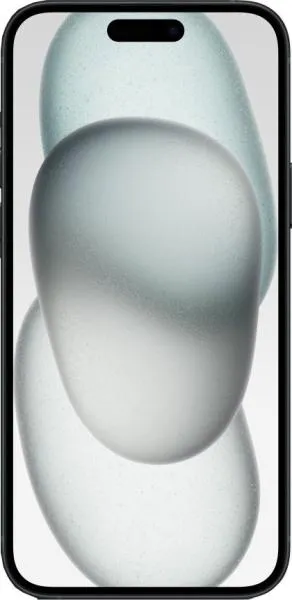
1. Specifications Comparison
| Feature | Motorola Razr 40 | Apple iPhone 15 Plus | Practical Impact |
|---|---|---|---|
| Design | |||
| Form Factor | Foldable | Standard | Razr 40 offers portability when closed but potential durability concerns with hinge. iPhone 15 Plus is a traditional, more robust slab design. |
| Dimensions (mm) | 170.8 x 74 x 7.4 | 160.9 x 77.8 x 7.8 | Razr 40 is significantly more compact when folded, pocketable; iPhone 15 Plus is larger, more typical of modern smartphones. |
| Weight (g) | 188.6 | 201 | Razr 40 is lighter despite foldable design. |
| Display | |||
| Display Type | Foldable LTPO AMOLED | Super Retina XDR OLED | Razr 40's foldable display allows for a larger screen in a smaller device; potential crease visibility. iPhone 15 Plus offers a bright, high-quality traditional display. |
| Size (inches) | 6.9 | 6.7 | Razr 40 offers more screen real estate when unfolded. |
| Resolution (px) | 1080 x 2640 | 1290 x 2796 | iPhone 15 Plus has a sharper display (higher pixel density). |
| Refresh Rate (Hz) | 144 | Unspecified | Razr 40's 144Hz delivers smoother animations and scrolling. Impact on iPhone 15 Plus unknown due to missing spec. |
| Peak Brightness (nits) | 1400 | 2000 | iPhone 15 Plus offers significantly better outdoor visibility. |
| Performance | |||
| Chipset | Snapdragon 7 Gen 1 | Apple A16 Bionic | A16 is expected to significantly outperform the Snapdragon 7 Gen 1 in demanding tasks and gaming. |
| CPU | Octa-core (1x2.4 GHz Cortex-A710 & 3x2.36 GHz Cortex-A710 & 4x1.8 GHz Cortex-A510) | Hexa-core (2x3.46 GHz Everest + 4x2.02 GHz Sawtooth) | A16's architecture and clock speeds suggest superior processing power compared to Razr 40. |
| RAM (GB) | 8 | 6 | While Razr 40 has more RAM, iOS's memory management often requires less RAM than Android. Practical impact depends on usage. |
| Camera | |||
| Main Camera (MP) | 64 | 48 | While Razr 40 has a higher megapixel count, iPhone's image processing typically results in excellent image quality despite lower resolution. |
| Video Recording | 4K@30fps | 4K@60fps with HDR, Dolby Vision | iPhone 15 Plus offers higher resolution and frame rate video recording with HDR and Dolby Vision for superior dynamic range and color. |
| DXOMARK Score | Not Available | 145 | iPhone 15 Plus has a quantifiable measure of camera quality; Razr 40 lacks this data point. |
| Battery | |||
| Capacity (mAh) | 4200 | 4383 | iPhone 15 Plus has slightly larger battery capacity. Actual battery life depends on software optimization and usage patterns. |
2. Key Differences Analysis
Motorola Razr 40 Advantages:
- Portability: Foldable design offers unmatched compactness.
- High Refresh Rate Display: Smoother user experience for scrolling and gaming.
Apple iPhone 15 Plus Advantages:
- Performance: Significantly more powerful processor for demanding tasks.
- Camera: Expected superior image and video quality due to Apple's image processing and higher quality sensor.
- Brighter Display: Better outdoor visibility.
- Software & Ecosystem: iOS known for simplicity, long-term support, and tight ecosystem integration.
3. User Profiles & Recommendations
Motorola Razr 40: Users who prioritize portability above all else and value a unique form factor. Suitable for light to moderate usage.
Apple iPhone 15 Plus: Users who prioritize performance, camera quality, and a seamless software experience. Ideal for power users, gamers, and content creators.
4. Decision Framework
Key Questions:
- Form Factor Priority: Is ultimate portability or a traditional slab design more important?
- Performance Needs: Do you require top-tier processing power for demanding tasks or is moderate performance sufficient?
- Budget & Ecosystem: Which price point and operating system (iOS vs. Android) align better with your needs and preferences?
My Choice: Apple iPhone 15 Plus
While the Razr 40's foldable design is intriguing, the iPhone 15 Plus offers a more well-rounded package for my needs. The significantly superior performance of the A16 Bionic, combined with Apple's consistent track record in camera quality and software optimization, makes it a more compelling choice. The brighter display is also a significant advantage for outdoor use. While I acknowledge the portability benefits of the Razr 40, I prioritize performance, user experience, and long-term software support, which the iPhone 15 Plus delivers more effectively. The price difference is minimal compared to the performance gap.
