
1. Specifications Comparison
| Feature | Motorola Razr 40 | Apple iPhone 15 | Practical Impact |
|---|---|---|---|
| Design | |||
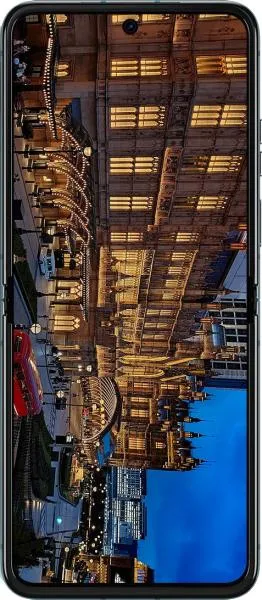
| Form Factor | Foldable | Standard | Razr 40 offers portability and a smaller footprint when closed. iPhone 15 is a traditional slab design. |
| Dimensions (mm) | 170.8 x 74 x 7.4 | 147.6 x 71.6 x 7.8 | Razr 40 is taller and narrower when unfolded, more compact when folded. iPhone 15 is thinner overall. |
| Weight (g) | 188.6 | 171 | Razr 40 is slightly heavier. |
| Display | |||
| Display Type | Foldable LTPO AMOLED | Super Retina XDR OLED | Razr 40's folding display allows for a larger screen in a smaller device; potential crease visibility. iPhone 15 boasts a bright, high-contrast display. |
| Size (inches) | 6.9 | 6.1 | Razr 40 offers significantly more screen real estate for multitasking and media consumption. |
| Resolution | 1080 x 2640 | 1179 x 2556 | Comparable sharpness despite size difference; Razr 40 slightly less pixel dense (413 ppi vs 461 ppi). |
| Refresh Rate | 144Hz | Unspecified | Razr 40 will provide smoother scrolling and animations. Impact on iPhone 15 unknown due to missing specification. |
| Peak Brightness | 1400 nits | 2000 nits | iPhone 15's display will be significantly brighter in direct sunlight. |
| Performance | |||
| Chipset | Snapdragon 7 Gen 1 | A16 Bionic | A16 is expected to deliver significantly faster performance in demanding tasks and gaming. |
| CPU | Octa-core (1x2.4 GHz Cortex-A710 & 3x2.36 GHz Cortex-A710 & 4x1.8 GHz Cortex-A510) | Hexa-core (2x3.46 GHz Everest + 4x2.02 GHz Sawtooth) | A16's architecture and clock speeds indicate a substantial performance advantage. |
| GPU | Adreno 644 | Apple GPU (5-core) | Apple's GPU is likely to outperform Adreno 644, offering a smoother gaming and graphics-intensive experience. |
| RAM | 8GB | 6GB | While Razr has more RAM, iOS's memory management may offset this difference in real-world usage. |
| Camera | |||
| Main Camera | 64MP (f/1.8) | 48MP (f/1.6) | iPhone's larger sensor pixel size (1.00 µm vs unknown for Razr) suggests better low-light performance. |
| Ultrawide | 13MP (f/2.2) | 12MP (f/2.4) | Similar capabilities; specific sensor details lacking for a detailed comparison. |
| Video | 4K@30fps with EIS | 4K@60fps with HDR, Dolby Vision | iPhone 15 offers higher resolution and frame rate video recording with HDR and Dolby Vision. |
| Battery | |||
| Capacity | 4200 mAh | 3349 mAh | Razr 40 has a larger battery capacity, potentially leading to longer battery life, but foldable displays often consume more power. |
2. Key Differences Analysis
Motorola Razr 40 Advantages:
- Foldable Design: Offers unique portability and a larger screen in a compact form factor.
- Larger Battery: Potentially longer battery life, though impacted by the foldable display.
- Higher Refresh Rate: Smoother scrolling and animations.
Apple iPhone 15 Advantages:
- Superior Performance: A16 Bionic chip delivers significantly faster processing and graphics capabilities.
- Brighter Display: Better visibility in direct sunlight.
- Advanced Camera Features: Higher quality video recording with HDR and Dolby Vision, potentially better low light performance due to larger sensor pixel size.
- Stronger Software Ecosystem: iOS known for its optimization and long-term software updates.
3. User Profiles & Recommendations
Motorola Razr 40: Ideal for users who prioritize portability and a large screen for media consumption on the go, and value the novelty of a foldable phone.
Apple iPhone 15: Suitable for users who demand top-tier performance for demanding tasks, gaming, and high-quality content creation, and value a seamless software experience.
4. Decision Framework
Key Questions for Buyers:
- Form Factor Preference: Do you prioritize portability and a foldable design or a traditional slab phone?
- Performance Needs: Do you require top-tier processing power for demanding tasks and gaming, or is a mid-range chip sufficient?
- Budget: Consider the price difference and features offered in relation to your budget.
My Choice: Apple iPhone 15
While the Razr 40's foldable design is intriguing, the iPhone 15's superior performance, brighter display, and advanced camera capabilities are more compelling to me. The A16 Bionic chip offers a significant advantage in speed and efficiency, crucial for a smooth user experience in the long run. Additionally, the iPhone's camera system, particularly its video recording capabilities, aligns better with my needs. Although the Razr 40 has a larger battery, the power efficiency of the A16 Bionic may result in comparable real-world battery life. Ultimately, I prioritize performance and a refined user experience, making the iPhone 15 the better choice for me. The robust iOS ecosystem and longer software update cycle also contribute to the decision.
