1. Specifications Comparison
| Feature | Motorola Razr 40 Ultra | ZTE Blade V60 Design | Practical Impact |
|---|---|---|---|
| Design | |||
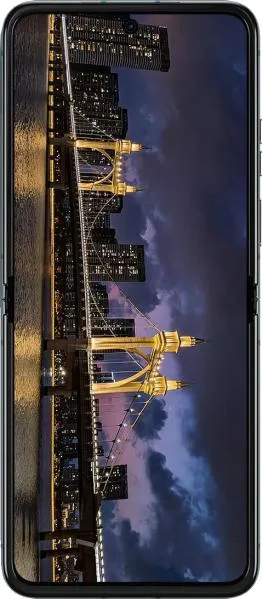
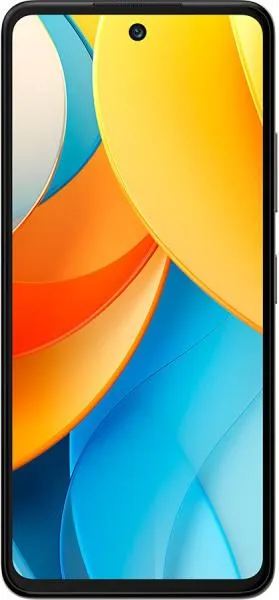
| Dimensions (mm) | 170.8 x 74 x 7 | 164.2 x 75.3 x 8.6 | Razr 40 Ultra is significantly thinner and more pocketable, especially due to its foldable design. Blade V60 is larger and thicker. |
| Weight (g) | 184.5 | 198 | Razr 40 Ultra is noticeably lighter, improving one-handed use and portability. |
| Foldable | Yes | No | Razr's foldability offers compact portability and a unique form factor. |
| Display | |||
| Display Type | Foldable LTPO AMOLED | IPS LCD | Razr 40 Ultra boasts superior contrast, deeper blacks, and potentially better power efficiency with LTPO. Blade V60's LCD is less vibrant. |
| Display Size (inches) | 6.9 | 6.6 | Both offer large screens suitable for media consumption, though the Razr's is slightly larger. |
| Resolution | 1080 x 2640 | 720 x 1612 | Razr 40 Ultra provides significantly sharper visuals and text clarity due to higher resolution. |
| Refresh Rate (Hz) | 165 | 90 | Razr 40 Ultra delivers smoother animations and scrolling with its higher refresh rate. |
| Pixel Density (PPI) | 413 | 267 | Razr 40 Ultra's much higher PPI translates to noticeably sharper images and text. Blade V60's display might appear pixelated in comparison. |
| Performance | |||
| Chipset | Snapdragon 8+ Gen 1 | Unisoc T606 | Razr 40 Ultra offers vastly superior processing power and graphics performance, enabling demanding gaming and multitasking. Blade V60 is suited for basic tasks. |
| CPU | Octa-core (1x3.19 GHz Cortex-X2 & 3x2.75 GHz Cortex-A710 & 4x1.80 GHz Cortex-A510) | Octa-core (2x1.6 GHz Cortex-A75 & 6x1.6 GHz Cortex-A55) | Razr's CPU architecture and clock speeds significantly outperform the Blade V60, resulting in much faster app loading, smoother performance, and better responsiveness. |
| GPU | Adreno 730 | Mali-G57 MP1 | The Adreno 730 in the Razr 40 Ultra provides significantly better gaming and graphics rendering capabilities compared to the Mali-G57 MP1. |
| RAM | 8GB/12GB | 4GB/6GB | Razr 40 Ultra offers more RAM, allowing for better multitasking and smoother performance with multiple apps open. |
| Camera | |||
| Main Camera (MP) | 12 | 50 | While the Blade V60 has a higher megapixel count, the Razr 40 Ultra likely has a larger sensor and better processing, potentially resulting in superior image quality overall. Megapixels alone don't determine image quality. |
| Video Recording | Up to 4K@60fps with HDR, EIS | 1080p@30fps | Razr 40 Ultra offers higher resolution and frame rate video recording with HDR and improved stabilization, resulting in significantly better video quality. |
| Battery | |||
| Capacity (mAh) | 3800 | 5000 | Blade V60 has a larger battery capacity, likely providing longer battery life. Razr 40 Ultra's smaller battery is a trade-off for its slim, foldable design. |
2. Key Differences Analysis
Motorola Razr 40 Ultra Advantages:
- Significantly more powerful: Superior chipset, CPU, GPU, and RAM for a vastly smoother and more responsive user experience, capable of demanding tasks and gaming.
- Higher quality display: Sharper, smoother, and more vibrant AMOLED display with a faster refresh rate.
- More premium and portable design: Foldable design for ultimate portability.
- Superior video recording capabilities: Higher resolution, frame rate, HDR, and EIS.
ZTE Blade V60 Design Advantages:
- Larger battery capacity: Potentially longer battery life.
- Lower price: Significantly more affordable.
3. User Profiles & Recommendations
Motorola Razr 40 Ultra: Users who prioritize performance, a premium and highly portable design, a stunning display, and excellent camera capabilities. Ideal for power users, content creators, and those who value a cutting-edge device.
ZTE Blade V60 Design: Budget-conscious users who prioritize battery life and require a basic smartphone for everyday communication, web browsing, and light media consumption.
4. Decision Framework
Key Questions for Buyers:
- What is your budget? The Razr 40 Ultra is significantly more expensive.
- What level of performance do you need? For demanding tasks and gaming, the Razr 40 Ultra is essential.
- How important is portability and design? The Razr 40 Ultra's foldable design offers unique portability advantages.
My Choice: Motorola Razr 40 Ultra
While the ZTE Blade V60 Design offers a compelling value proposition for budget-conscious buyers, the Motorola Razr 40 Ultra is the superior device overall. Its significantly faster performance, stunning display, and innovative foldable design outweigh the Blade V60 Design's advantages in battery life and price, especially for my needs. I prioritize a smooth and responsive user experience, a high-quality display, and portability, making the Razr 40 Ultra the clear winner for me. The price difference is significant, but the overall user experience offered by the Razr 40 Ultra justifies the premium for my usage patterns.
