1. Specifications Comparison
| Feature | Motorola Razr 40 Ultra | ZTE Blade A75 4G | Practical Impact |
|---|---|---|---|
| Design | |||
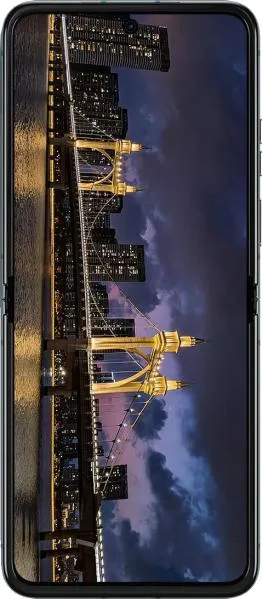
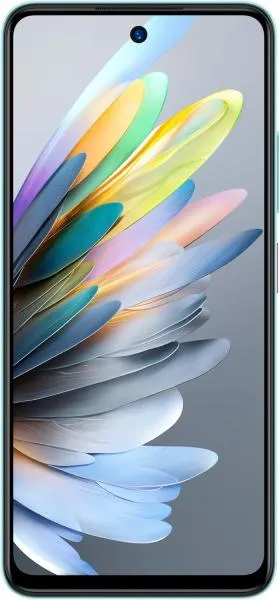
| Dimensions (mm) | 170.8 x 74 x 7 | 164.1 x 75.8 x 8.6 | Razr 40 Ultra is significantly thinner when folded, making it more pocketable. A75 4G is a traditional slab design. |
| Weight (g) | 184.5 | 189 | Negligible weight difference in real-world usage. |
| Foldable | Yes | No | Razr's foldable design offers a compact form factor when closed and a large screen when open. A75 4G has a standard candybar form factor. |
| Display | |||
| Display Type | Foldable LTPO AMOLED | IPS LCD | Razr 40 Ultra offers superior contrast, deeper blacks, and potentially better power efficiency with AMOLED. Its LTPO technology allows for dynamic refresh rate adjustment. A75 4G's IPS LCD is less vibrant and power-hungry. |
| Size (inches) | 6.9 | 6.6 | Razr offers a larger display area when unfolded. |
| Resolution | 1080 x 2640 | 720 x 1612 | Razr boasts significantly sharper visuals due to higher resolution. A75 4G's display will appear noticeably less sharp. |
| Refresh Rate (Hz) | 165 | 90 | Razr provides a smoother user experience with animations and scrolling thanks to its higher refresh rate. |
| Performance | |||
| Chipset | Snapdragon 8+ Gen 1 | Unisoc T606 | Razr 40 Ultra dramatically outperforms the A75 4G in processing power, enabling smoother multitasking, demanding gaming, and faster app loading. |
| CPU | Octa-core (1x3.19 GHz X2 & 3x2.75 GHz A710 & 4x1.80 GHz A510) | Octa-core (2x1.6 GHz A75 & 6x1.6 GHz A55) | Razr 40 Ultra's CPU architecture is significantly more powerful and efficient. |
| GPU | Adreno 730 | Mali-G57 MP1 | Razr's GPU offers a substantial advantage in graphics performance for gaming and visually intensive tasks. |
| RAM (GB) | 8/12 | 4/8 | More RAM in certain Razr configurations allows for better multitasking and app switching. |
| Camera | |||
| Main Camera (MP) | 12 | 50 | While the A75 4G boasts a higher megapixel count, the Razr 40 Ultra likely uses a superior sensor and image processing, potentially resulting in better overall image quality. Megapixels alone don't determine image quality. |
| Video Recording | Up to 4K@60fps with HDR, EIS | 1080p@30fps | Razr 40 Ultra offers higher resolution and frame rate video recording with HDR for improved dynamic range and electronic image stabilization. |
| Battery | |||
| Capacity (mAh) | 3800 | 5000 | A75 4G has a larger battery capacity suggesting longer battery life. However, real-world battery life depends on various factors including display type and processor efficiency. |
2. Key Differences Analysis
Motorola Razr 40 Ultra Advantages:
- Significantly more powerful: Superior performance in all aspects due to a flagship-level chipset.
- Higher quality display: Foldable AMOLED with higher resolution, refresh rate, and vibrant colors.
- More premium design: Slimmer profile and foldable form factor.
- Superior camera features: Higher quality video recording capabilities.
ZTE Blade A75 4G Advantages:
- Larger battery capacity: Potentially longer battery life.
- Lower price: Significantly more affordable.
3. User Profiles & Recommendations
Motorola Razr 40 Ultra: Ideal for users who value performance, a premium design, and cutting-edge technology, and are willing to pay a premium for a foldable device. Suitable for demanding tasks, gaming, and media consumption.
ZTE Blade A75 4G: Best suited for budget-conscious users who prioritize basic functionality, long battery life, and affordability over performance and premium features. Ideal for light usage such as calling, texting, and web browsing.
4. Decision Framework
Key Questions for Buyers:
- What is your budget? The Razr 40 Ultra is significantly more expensive.
- What level of performance do you need? For demanding tasks and gaming, the Razr is a clear winner.
- How important is portability and design? The foldable Razr offers a unique form factor.
Scenario-Based Recommendations:
- Heavy user, gamer, values latest technology: Razr 40 Ultra
- Budget-conscious, light user, prioritizes battery life: ZTE Blade A75 4G
My Choice: Motorola Razr 40 Ultra
While the ZTE Blade A75 4G offers excellent value for its price, I would choose the Motorola Razr 40 Ultra. The significantly superior performance, stunning display, and innovative foldable design are compelling. The Snapdragon 8+ Gen 1 ensures a smooth and responsive experience for years to come, and the vibrant AMOLED display is a joy to use. Though the battery capacity is smaller, the performance and form factor advantages outweigh this for my personal needs. I prioritize a fluid user experience and appreciate cutting-edge technology. The higher price is justified for the premium experience the Razr 40 Ultra provides.
