1. Specifications Comparison
| Feature | Motorola Razr 40 Ultra | Xiaomi Redmi Note 13 Pro | Practical Impact |
|---|---|---|---|
| Design | |||
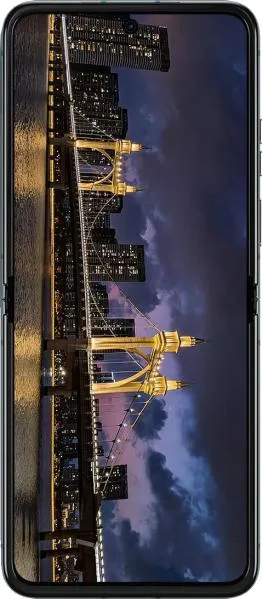
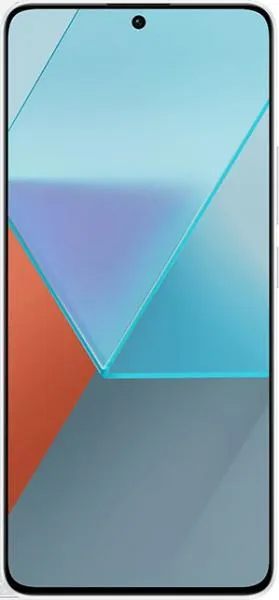
| Form Factor | Foldable | Standard | Razr offers portability and a unique form factor; Redmi offers a traditional slab design. |
| Dimensions (mm) | 170.8 x 74 x 7 | 161.2 x 74.2 x 8 | Razr is significantly thinner when folded but taller when unfolded. Redmi is a larger, more standard size. |
| Weight (g) | 184.5 | 187 | Negligible weight difference. |
| Display | |||
| Display Type | Foldable LTPO AMOLED | AMOLED | Razr's foldable display allows for a larger screen in a smaller device; Redmi offers a larger, uninterrupted display. |
| Size (inches) | 6.9 | 6.67 | Razr's unfolded display is slightly larger. |
| Resolution | 1080 x 2640 | 1220 x 2712 | Redmi has a slightly sharper display due to higher resolution. |
| Refresh Rate (Hz) | 165 | 120 | Razr offers smoother scrolling and animations. |
| Peak Brightness (nits) | 1400 | 1800 | Redmi's display can get significantly brighter outdoors. |
| Performance | |||
| Chipset | Snapdragon 8+ Gen 1 | Snapdragon 7s Gen 2 | Razr has a significantly more powerful processor, leading to better performance in demanding tasks and gaming. |
| CPU | Octa-core (1x3.19 GHz X2 & 3x2.75 GHz A710 & 4x1.80 GHz A510) | Octa-core (4x2.40 GHz A78 & 4x1.95 GHz A55) | Razr's CPU offers superior performance in multitasking and demanding applications. |
| GPU | Adreno 730 | Adreno 710 | Razr offers better gaming and graphics performance. |
| RAM (GB) | 8 (Reviewed Model) | 8/12/16 | Redmi offers configurations with more RAM, potentially improving multitasking. |
| Camera | |||
| Main Camera (MP) | 12 | 200 | Redmi has a much higher resolution main sensor. |
| Ultrawide (MP) | 13 | 8 | Razr has a higher resolution ultrawide. |
| Selfie Camera (MP) | 32 | 16 | Razr has a higher resolution selfie camera. |
| Video Recording | Up to 4K@60fps | Up to 4K@30fps | Razr supports higher resolution and frame rate video recording. |
| Battery | |||
| Capacity (mAh) | 3800 | 5100 | Redmi offers significantly longer battery life. |
2. Key Differences Analysis
Motorola Razr 40 Ultra Advantages:
- Form Factor: The foldable design offers unparalleled portability.
- Performance: Significantly more powerful processor for demanding tasks and gaming.
- Higher Refresh Rate Display: Smoother animations and scrolling.
- External Display Utility: Offers more functionality than typical cover displays.
Xiaomi Redmi Note 13 Pro Advantages:
- Battery Life: Substantially larger battery capacity for extended usage.
- Brighter Display: Better visibility in direct sunlight.
- Higher Resolution Main Camera: Potentially more detailed photos.
- Lower Price: Offers competitive features at a lower price point.
Trade-offs:
- Razr: Sacrifices battery life for portability and performance; Higher price.
- Redmi: Less powerful processor; Lower refresh rate display.
3. User Profiles & Recommendations
Motorola Razr 40 Ultra: Ideal for users who prioritize portability and a unique form factor and are willing to pay a premium. Excellent for those who value a powerful device for on-the-go productivity and entertainment.
Xiaomi Redmi Note 13 Pro: Best suited for users who prioritize battery life, a large display, and value for money. Strong choice for media consumption, general use, and casual gaming.
4. Decision Framework
Key Questions for Buyers:
- How important is portability? If ultimate portability is paramount, the Razr is the clear choice.
- What is your budget? The Redmi offers excellent value for its price.
- What are your primary use cases? Demanding tasks and gaming favor the Razr; media consumption and all-day battery life favor the Redmi.
My Choice: Xiaomi Redmi Note 13 Pro
While the Razr 40 Ultra is a fascinating device with its foldable design and powerful performance, the Redmi Note 13 Pro better suits my needs. As someone who prioritizes battery life and values a large, bright display for media consumption, the Redmi's strengths outweigh the Razr's advantages for me. The significant price difference also makes the Redmi a more compelling option. The Snapdragon 7s Gen 2 is powerful enough for my daily usage, and while I appreciate a high refresh rate, the Redmi's 120Hz display is still excellent. The superior battery life and lower price are the deciding factors for me. The folding capability of the Razr, while intriguing, doesn't outweigh the practical benefits of the Redmi in my daily usage.
