1. Specifications Comparison
| Feature | Motorola Razr 40 Ultra | Xiaomi Redmi Note 13 4G | Practical Impact |
|---|---|---|---|
| Design | |||
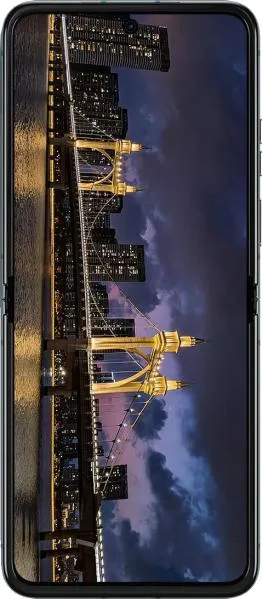
| Form Factor | Foldable | Standard | Razr offers portability and novelty; Redmi offers a traditional form factor. |
| Dimensions (mm) | 170.8 x 74 x 7 | 162.3 x 75.6 x 8 | Razr is significantly thinner when folded but taller when unfolded. Redmi is wider and slightly thicker overall. |
| Weight (g) | 184.5 | 188.5 | Negligible weight difference in practical use. |
| Display | |||
| Display Type | Foldable LTPO AMOLED | AMOLED | Razr's foldable display allows for a larger screen in a smaller device; Redmi offers a standard, non-folding AMOLED. |
| Size (inches) | 6.9 | 6.67 | Razr provides a larger main display area when unfolded. |
| Resolution | 1080 x 2640 | 1080 x 2400 | Similar sharpness; Razr is slightly taller due to aspect ratio. |
| Refresh Rate (Hz) | 165 | 120 | Razr offers smoother scrolling and animations; noticeable in fast-paced games and UI interactions. |
| Peak Brightness (nits) | 1400 | 1800 | Redmi's display will be more visible in direct sunlight. |
| Performance | |||
| Chipset | Snapdragon 8+ Gen 1 | Snapdragon 685 | Razr boasts significantly faster CPU and GPU performance, leading to smoother multitasking, faster app loading, and better gaming capabilities. |
| CPU | Octa-core (1x3.19 GHz Cortex-X2 & 3x2.75 GHz Cortex-A710 & 4x1.80 GHz Cortex-A510) | Octa-core (4x2.8 GHz Cortex-A73 & 4x1.9 GHz Cortex-A53) | Razr's CPU architecture is more modern and powerful. |
| RAM (GB) | 8/12 | 6/8 | More RAM in higher-end Razr configurations enables better multitasking; base models are comparable. |
| Camera | |||
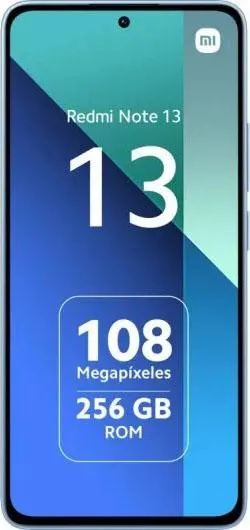
| Main Camera (MP) | 12 | 108 | Redmi has a higher megapixel count, potentially capturing more detail; image quality depends on sensor size and processing, which is not fully detailed here. |
| Selfie Camera (MP) | 32 | 16 | Razr offers a higher resolution selfie camera. |
| Video Recording | Up to 4K@60fps with HDR, EIS | 1080p@30fps | Razr supports higher resolution and frame rate video recording with better stabilization and dynamic range (HDR). |
| Battery | |||
| Capacity (mAh) | 3800 | 5000 | Redmi offers significantly longer battery life. Foldable phones often have smaller batteries due to space constraints. |
2. Key Differences Analysis
Motorola Razr 40 Ultra Advantages:
- Form Factor: Foldable design for portability and a larger screen when needed.
- Performance: Significantly more powerful processor for smoother performance across all tasks.
- High Refresh Rate Display: Smoother visuals for gaming and everyday use.
- Superior Video Recording: Higher resolution and frame rate with HDR and EIS.
Xiaomi Redmi Note 13 4G Advantages:
- Battery Life: Larger battery capacity for significantly longer usage time.
- Price: Likely more affordable based on general market trends for foldable vs. standard smartphones.
- Brighter Display: Better visibility in direct sunlight.
Trade-offs:
- Razr sacrifices battery life for its foldable design and powerful performance.
- Redmi compromises on performance and advanced features for affordability and longer battery life.
3. User Profiles & Recommendations
Motorola Razr 40 Ultra: Ideal for users who prioritize portability, a large screen when needed, top-tier performance, and cutting-edge technology. Best suited for power users, content creators, and those who value a unique form factor.
Xiaomi Redmi Note 13 4G: Best for budget-conscious users who prioritize battery life and reliability for everyday tasks like browsing, social media, and communication. Suitable for students, casual users, and those seeking a long-lasting phone.
4. Decision Framework
Key Questions for Buyers:
- How important is portability and the novelty of a foldable phone?
- What is your budget?
- What are your primary smartphone usage patterns (gaming, content creation, communication)?
Scenario-Based Recommendations:
- Heavy User with a Flexible Budget: Razr 40 Ultra
- Budget-Conscious User with Basic Needs: Redmi Note 13 4G
- User Seeking a Balance of Performance and Battery Life: Consider other options, as neither phone perfectly balances these two aspects.
My Choice: Motorola Razr 40 Ultra
While the Redmi Note 13 4G offers excellent battery life and value, the Motorola Razr 40 Ultra's superior performance, innovative foldable design, and high refresh rate display are more compelling to me. I prioritize a smooth and responsive user experience, and the Razr 40 Ultra delivers that in spades. I am willing to compromise on battery life (and carry a portable charger if needed) to have a device that is both powerful and pocketable. The unique form factor also appeals to me. While price is a factor, the overall experience offered by the Razr 40 Ultra aligns better with my needs and preferences.
