1. Specifications Comparison
| Feature | Motorola Razr 40 Ultra | Xiaomi Redmi Note 13 | Practical Impact |
|---|---|---|---|
| Design | |||
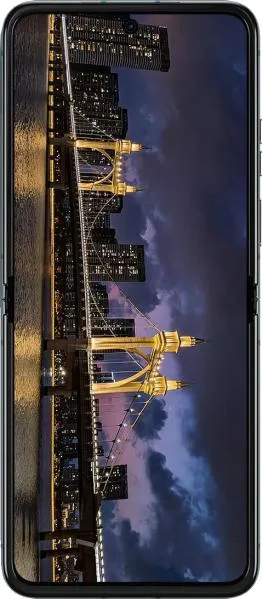
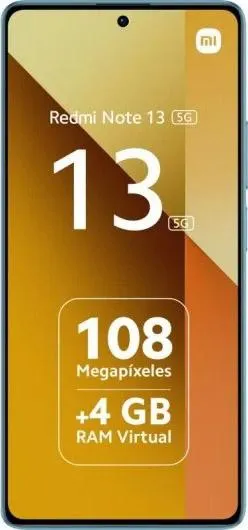
| Form Factor | Foldable | Standard | Razr offers portability and a unique form factor; Redmi offers a traditional slab design. |
| Dimensions (mm) | 170.8 x 74 x 7 | 161.1 x 75 x 7.6 | Razr is significantly more compact when folded, but thicker when unfolded. Redmi is thinner overall. |
| Weight (g) | 184.5 | 174.5 | Razr is slightly heavier. |
| Display | |||
| Display Type | Foldable LTPO AMOLED | AMOLED | Razr's folding display allows for a larger screen in a smaller device; Redmi has a standard fixed display. |
| Size (inches) | 6.9 | 6.67 | Razr offers a larger main display. |
| Resolution | 1080 x 2640 | 1080 x 2400 | Similar sharpness, but Razr is slightly taller due to aspect ratio. |
| Refresh Rate (Hz) | 165 | 120 | Razr offers smoother scrolling and animations. |
| Peak Brightness (nits) | 1400 | 1000 | Razr's display will be more visible in direct sunlight. |
| Performance | |||
| Chipset | Snapdragon 8+ Gen 1 | Dimensity 6080 | Razr offers significantly more powerful CPU and GPU performance for demanding tasks and gaming. |
| CPU | Octa-core (1x3.19 GHz X2 & 3x2.75 GHz A710 & 4x1.80 GHz A510) | Octa-core (2x2.4 GHz A76 & 6x2.0 GHz A55) | Razr's CPU architecture is more modern and powerful. |
| RAM (GB) | 8/12 | 6/8/12 | Both offer sufficient RAM for multitasking, but Razr configurations can offer more. |
| Camera | |||
| Main Camera (MP) | 12 | 108 | Redmi boasts higher resolution, potentially capturing more detail; practical image quality depends on sensor and processing. |
| Ultrawide (MP) | 13 | 8 | Razr has a higher resolution ultrawide. |
| Selfie (MP) | 32 | 16 | Razr offers a higher resolution selfie camera. |
| Video Recording | Up to 4K@60fps with HDR, EIS | 1080p@30fps | Razr offers superior video recording capabilities with higher resolution and frame rates. |
| Battery | |||
| Capacity (mAh) | 3800 | 5000 | Redmi has a significantly larger battery capacity, likely resulting in longer battery life. |
2. Key Differences Analysis
Motorola Razr 40 Ultra Advantages:
- Form Factor: The foldable design offers unparalleled portability.
- Performance: Significantly more powerful processor for demanding tasks and gaming.
- Display: Smoother and brighter display with a higher refresh rate.
- Superior Video Recording: Higher resolution and frame rates.
Xiaomi Redmi Note 13 Advantages:
- Battery Life: Larger battery capacity likely translates to significantly longer usage time.
- Price: Lower price point makes it more accessible.
- Main Camera Resolution: Higher resolution main camera sensor, potentially capturing more detail. (Real-world performance depends on other factors.)
Trade-offs:
- Razr's foldable design sacrifices battery capacity for portability.
- Redmi's lower price point means compromising on performance and some features.
3. User Profiles & Recommendations
Motorola Razr 40 Ultra: Ideal for users who prioritize portability, cutting-edge technology, a unique form factor, and are willing to pay a premium. Best for:
- Trendsetters: Users who value a unique and stylish device.
- Professionals: Those who need a powerful device for productivity on the go.
- Content Creators: Those who require high-quality video recording capabilities.
Xiaomi Redmi Note 13: Ideal for budget-conscious users who prioritize battery life and essential features. Best for:
- Casual Users: Users primarily focused on communication, social media, and light content consumption.
- Students: Those seeking an affordable yet functional smartphone.
- Users prioritizing Battery Life: Individuals who require long usage time without frequent charging.
4. Decision Framework
Key Questions for Buyers:
- What is your budget? The Razr is significantly more expensive.
- How important is portability? The Razr's foldable design offers a significant advantage in portability.
- What are your primary use cases? The Razr excels in performance and content creation, while the Redmi focuses on essential features and battery life.
Scenario-Based Recommendations:
- Limited Budget, Primarily Calling/Texting: Redmi Note 13
- Heavy Multitasking, Gaming Enthusiast: Razr 40 Ultra
- Frequent Traveler Needing Portability: Razr 40 Ultra
- Social Media User Prioritizing Battery Life: Redmi Note 13
My Choice: Motorola Razr 40 Ultra
While the Redmi Note 13 offers excellent value for its price, I would choose the Motorola Razr 40 Ultra. The foldable form factor is a game-changer for portability, making it incredibly convenient to carry around. The significantly superior performance, brighter and smoother display, and advanced video recording capabilities are crucial for my workflow and personal use. I am willing to compromise on battery life and pay a premium for the innovative design and high-end features the Razr offers. The Snapdragon 8+ Gen 1 ensures a smooth user experience for years to come, justifying the higher price for long-term use. The compact size when folded is a major appeal for someone who dislikes carrying large phones.
