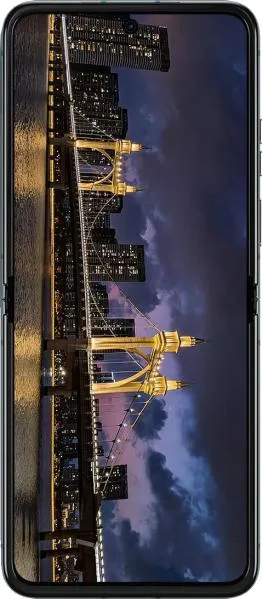
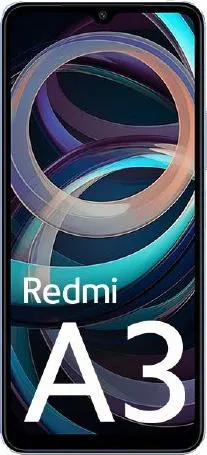
1. Specifications Comparison
| Feature | Motorola Razr 40 Ultra | Xiaomi Redmi A3 | Practical Impact |
|---|---|---|---|
| Design | |||
| Dimensions (mm) | 170.8 x 74 x 7 | 168.3 x 76.3 x 8.3 | Razr 40 Ultra significantly thinner due to foldable design; Redmi A3 slightly taller and wider. Razr's thinness enhances portability when folded but may feel fragile. Redmi's larger size provides more grip. |
| Weight (g) | 184.5 | 193 | Razr 40 Ultra lighter despite complex folding mechanism. Redmi A3's weight is typical for its size. |
| Foldable | Yes | No | Razr's foldable design offers compact portability but introduces potential durability concerns and crease visibility. Redmi A3 offers a traditional, potentially more robust form factor. |
| Display | |||
| Display Type | Foldable LTPO AMOLED | IPS LCD | Razr 40 Ultra boasts superior contrast, vibrant colors, and power efficiency due to AMOLED and LTPO. Redmi A3's IPS LCD is less vibrant and power-hungry but generally more affordable. |
| Display Size (inches) | 6.9 | 6.71 | Negligible difference in screen real estate for media consumption. |
| Resolution | 1080 x 2640 | 720 x 1650 | Razr 40 Ultra offers much sharper visuals (413 ppi vs 268 ppi), crucial for text clarity and image detail. Redmi A3's lower resolution may appear pixelated, especially for text. |
| Refresh Rate (Hz) | 165 | 90 | Razr 40 Ultra provides a significantly smoother user experience with animations and scrolling. Redmi A3's 90Hz is smoother than traditional 60Hz, but not as fluid as the Razr. |
| Performance | |||
| Chipset | Snapdragon 8+ Gen 1 | Helio G36 | Massive performance difference. Razr 40 Ultra handles demanding tasks and gaming with ease. Redmi A3 is suited for basic tasks; heavy multitasking or gaming will likely result in lag. |
| CPU | Octa-core (up to 3.19 GHz) | Octa-core (up to 2.2 GHz) | Razr 40 Ultra's CPU offers significantly higher clock speeds, translating to much faster processing for all tasks. |
| GPU | Adreno 730 | PowerVR GE8320 | Razr 40 Ultra's GPU provides significantly better gaming performance and graphics rendering compared to the Redmi A3. |
| RAM | 8/12GB | 3/4/6GB | Razr 40 Ultra offers more RAM, allowing for smoother multitasking and keeping more apps open in the background without performance slowdown. Redmi A3's lower RAM configurations will limit multitasking capability. |
| Camera | |||
| Main Camera | 12MP | 8MP | Razr 40 Ultra's main camera likely offers better image quality in various conditions due to typically better processing from the flagship chipset. Redmi A3's 8MP camera is basic for everyday snapshots. |
| Video Recording | Up to 4K@60fps with HDR, EIS | 1080p@30fps | Razr 40 Ultra offers superior video recording capabilities with higher resolution, frame rates, and HDR support, resulting in significantly better video quality. |
| Battery | |||
| Capacity (mAh) | 3800 | 5000 | Redmi A3 boasts a larger battery capacity, potentially offering longer battery life. However, Razr 40 Ultra's more efficient display and chipset could offset this difference in real-world usage. Foldable displays are generally more power-hungry. |
2. Key Differences Analysis
Motorola Razr 40 Ultra Advantages:
- Significantly more powerful: Superior performance for demanding tasks and gaming.
- Higher quality display: Sharper, smoother, and more vibrant visuals.
- More advanced camera features: Higher resolution, better video recording, and likely better image processing.
- Premium foldable design: Compact portability when folded.
Xiaomi Redmi A3 Advantages:
- Lower price: Significantly more affordable.
- Larger battery capacity: Potentially longer battery life, but real-world usage may vary.
- Potentially more durable: Traditional slab design avoids foldable complexities.
3. User Profiles & Recommendations
Motorola Razr 40 Ultra: Users who prioritize performance, a premium display, advanced camera features, and a compact foldable design, and are willing to pay a premium. Ideal for power users, content creators, and those who value portability.
Xiaomi Redmi A3: Budget-conscious users who prioritize basic functionality, long battery life, and affordability over high performance or advanced features. Suitable for basic communication, web browsing, and light media consumption.
4. Decision Framework
Key Questions for Buyers:
- What is your budget? The Redmi A3 is significantly more affordable.
- What level of performance do you need? The Razr 40 Ultra offers vastly superior performance.
- How important is portability and a cutting-edge design? The Razr 40 Ultra's foldable design is unique but comes at a premium.
My Choice: Motorola Razr 40 Ultra
While the Redmi A3 is a good budget option, the Razr 40 Ultra's superior performance, display, and camera capabilities are far more compelling to me. The foldable design, while potentially introducing durability concerns, offers unmatched portability. I prioritize a smooth and responsive user experience, high-quality visuals, and the ability to handle demanding tasks. I am willing to pay the premium for these features. The compact size when folded is a significant advantage for me. While battery life is a consideration, I believe the Razr's power efficiency could potentially offset the smaller battery capacity in real-world usage.
